IVP's producer shares her journey from green card to US citizen, revealing how naturalization has become harder under the Trump administration, including processing delays and tense border encounters.
Latino voters with no party preference are poised to play an outsized role in California’s 2026 elections — but both parties may be failing to reach the voters who could decide them.
California legislators introduce two constitutional amendments to remove party control from elections: one making the secretary of state a nonpartisan office, another transferring ballot language authority to a nonpartisan body.
California's Republican gubernatorial nominee Steve Hilton says AI leaders like Sam Altman and Dario Amodei have damaged public trust in their industry and argues the state must ease opposition to data center construction to compete with Texas and Ohio.
Nancy Pelosi detailed her private conversation with President Biden before he withdrew from the 2024 race, saying she questioned his polling and campaign strategy but that accounts of the meeting "did not really happen" as reported.
California's first Latina Senate leader enters the final month with control over hundreds of bills and a legislative record her office says received bipartisan support 87% of the time.
Whether the billionaire wealth tax survives will come down to a simple count: if Proposition 40 beats both Proposition 41 and Proposition 42 this November, it will stand. If either of them beats it, the tax will get erased anyway.
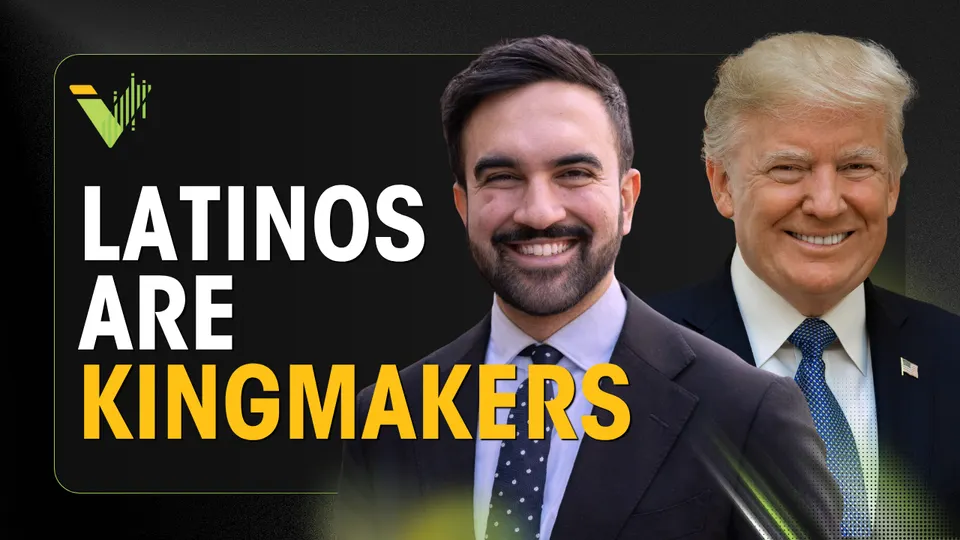
Chad, Ethan, and Cara sit down with political strategist Mike Madrid, author of The Latino Century, to unpack why Latino voters have become the fastest-growing bloc of independent voters in America.
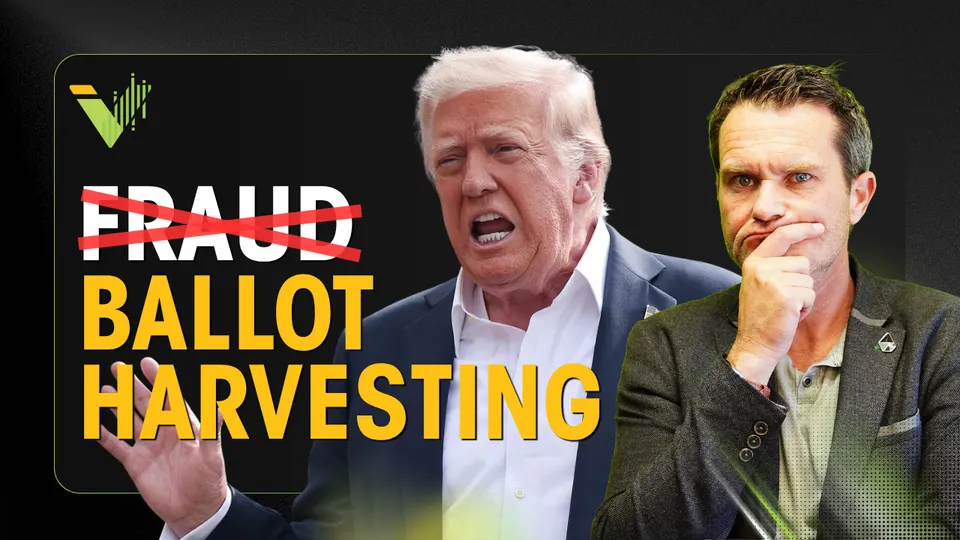
In this episode of Independent Voter Podcast, Chad, Shawn, and Cara break down the 2026 Los Angeles mayoral race and the explosive controversy surrounding ballot harvesting in California.

 Independent Voter Podcast
 Alex Segura, Latino News Network
 Shawn Griffiths
 Cara Brown McCormick


 Steve Peace