Pennsylvania moves toward opening its primaries as lawsuits spread, turnout data favors open systems, and Gen Z drifts further from the two-party mold.
Iraq and Afghanistan war veterans are suing New York over its closed primary system, arguing that independent voters are being denied equal voting rights in publicly funded elections.
A new lawsuit backed by independent veterans takes aim at New York’s closed primaries—and puts a fundamental question before the courts: Is voting a right of citizenship or party membership?
Independent voters have become a decisive force at the ballot box. The next question is whether that influence can translate into lasting political power.
A new AI chatbot called Voter Count lets anyone ask plain-English questions about 217 million registered voters, making demographic and voting data accessible without expensive contracts or technical expertise.
A new poll shows 56% of voters want to replace closed party primaries with open elections where all candidates compete on one ballot. The survey reveals voters are frustrated that just 9% of Americans effectively decide most congressional races.
Plus, Rob Sand promises to give independents an equal vote in Iowa. More and more independent voters are changing the conversation and the movement for fairer elections has garnered a national stage.
Independent voters are Kentucky’s fastest-growing political bloc, but nearly 384,000 remain shut out of the partisan primaries that help decide who governs them.
This September in Washington, leaders from across independent politics and democracy reform will gather alongside independent candidates from across the country. The significance is what becomes possible when an increasingly large but fragmented political ecosystem begins to coordinate.
As more Americans identify outside the two major parties, independent voters are challenging primary rules that can leave them out of the elections that shape their communities.

 Jeremy Gruber
 IVN Editorial Board
 Righteous Media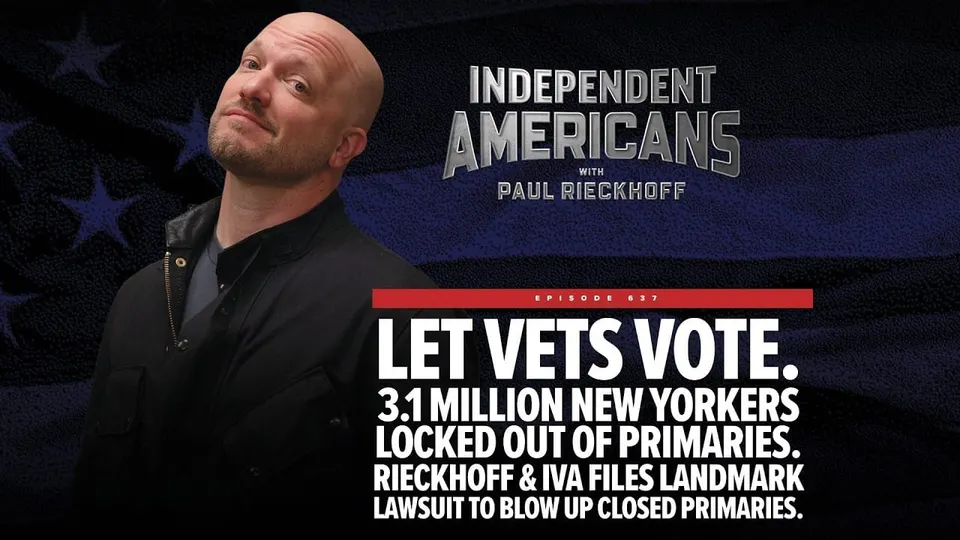
 John Opdycke
 Jabari Gibbs, The Current
 Shawn Griffiths


 Christopher Life
