After a bipartisan House vote to open the primaries, Gov. Josh Shapiro and Rep. Brian Fitzpatrick are adding their support as advocates turn their attention to the state Senate.
With control of the state Senate at stake in November, a handful of competitive races could determine the future of legislation allowing more than 1.5 million independent voters to participate in Pennsylvania's primaries.
Former Massachusetts governors Deval Patrick and Charlie Baker have endorsed Question 3, a November ballot measure that would open the state's primaries to all voters regardless of party affiliation.
Massachusetts voters could eliminate party primaries and replace them with an open primary allowing all voters to choose any candidate on a single ballot. Here's what Question 3 would actually change.
Pennsylvania moves toward opening its primaries as lawsuits spread, turnout data favors open systems, and Gen Z drifts further from the two-party mold.
Iraq and Afghanistan war veterans are suing New York over its closed primary system, arguing that independent voters are being denied equal voting rights in publicly funded elections.
A combat veteran and 9/11 first responder sues New York over its closed primary system that bars independents from voting, arguing it amounts to disenfranchisement on public property with public funds.
A new lawsuit backed by independent veterans takes aim at New York’s closed primaries—and puts a fundamental question before the courts: Is voting a right of citizenship or party membership?
Independent voters have become a decisive force at the ballot box. The next question is whether that influence can translate into lasting political power.
Pennsylvania's House passed a bill to open primaries to 1.5 million independent voters, but in 63 legislative races this year, only one candidate is running in November, making the primary the only real election.
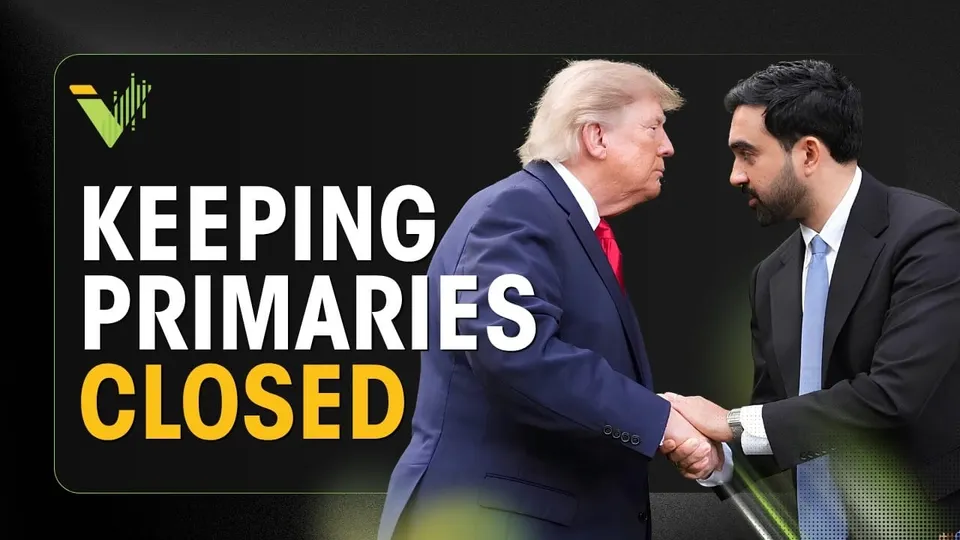
Trump and NYC Mayor Zohran Mamdani meet cordially at Gracie Mansion while publicly using scorched-earth rhetoric. The Independent Voter Podcast explores how closed primary systems manufacture ideological extremes and announces a federal lawsuit challenging New York's closed primaries.

 Jeremy Gruber
 Hugh J Campbell Jr.
 Cara Brown McCormick
 Shawn Griffiths

 IVN Editorial Board
 Independent Voter Podcast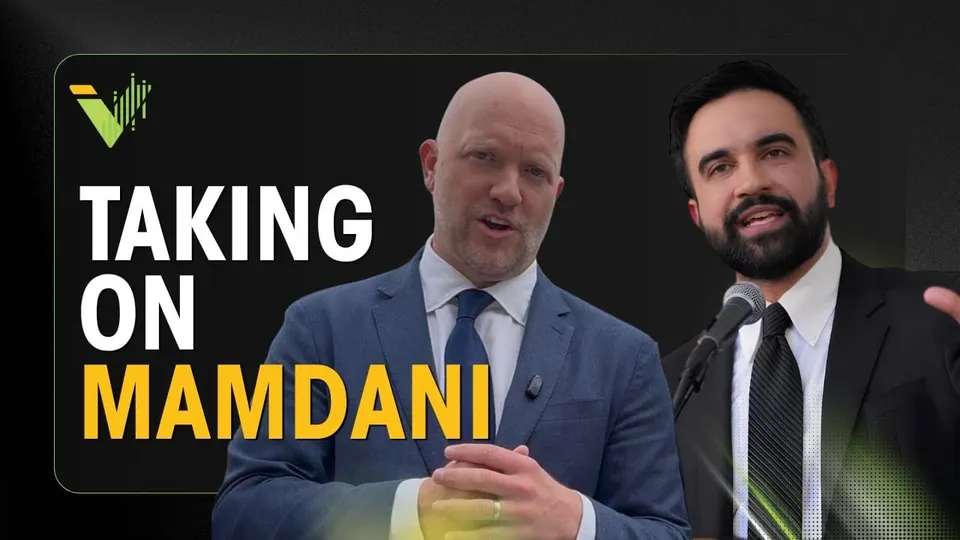
 Righteous Media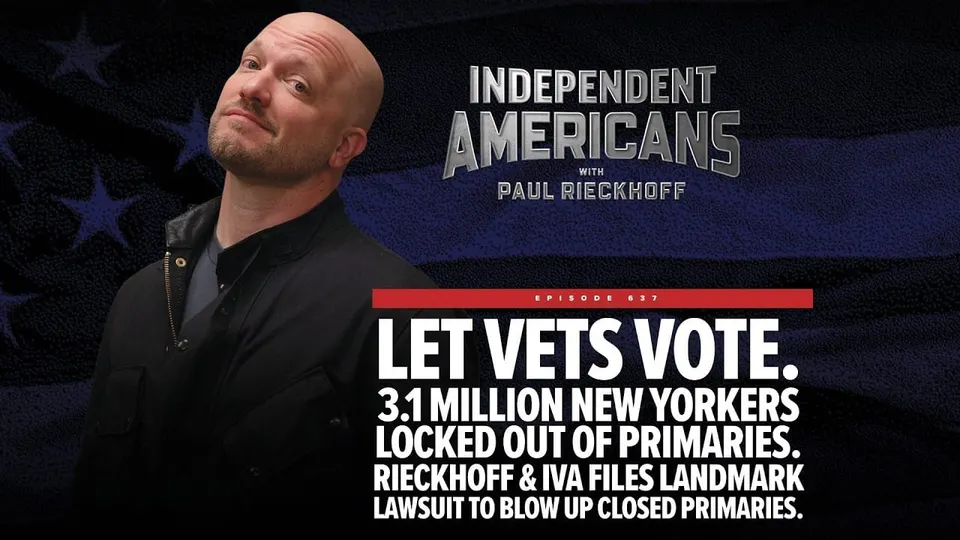
 John Opdycke