Iraq and Afghanistan war veterans are suing New York over its closed primary system, arguing that independent voters are being denied equal voting rights in publicly funded elections.
A combat veteran and 9/11 first responder sues New York over its closed primary system that bars independents from voting, arguing it amounts to disenfranchisement on public property with public funds.
A new lawsuit backed by independent veterans takes aim at New York’s closed primaries—and puts a fundamental question before the courts: Is voting a right of citizenship or party membership?
Independent voters have become a decisive force at the ballot box. The next question is whether that influence can translate into lasting political power.
Pennsylvania's House passed a bill to open primaries to 1.5 million independent voters, but in 63 legislative races this year, only one candidate is running in November, making the primary the only real election.
A new AI chatbot called Voter Count lets anyone ask plain-English questions about 217 million registered voters, making demographic and voting data accessible without expensive contracts or technical expertise.
Republicans charge the Independents with being secret Democrats. The Democrats' lead on the generic ballot has swung six points in four months. Do the polls show people are buying that argument?
In California's top-two primary system, Marin County's Assembly race between two Democrats will be decided by independent voters. Jackie Elward and Eric Lucan differ sharply on AI regulation, wealth taxes, and progressive priorities.
Three cities will vote on ranked choice voting in November. The ballot measures in Irvine, California; Honolulu, Hawaii; and Longmont, Colorado represent a test of whether voters will support election reform when it's removed from partisan national politics.
With Colorado voters increasingly rejecting the two-party label, Navy veteran Bob Chew explains why he left the GOP, joined the Forward Party, and is betting on an independent breakthrough in 2026.

 IVN Editorial Board
 Independent Voter Podcast
 Righteous Media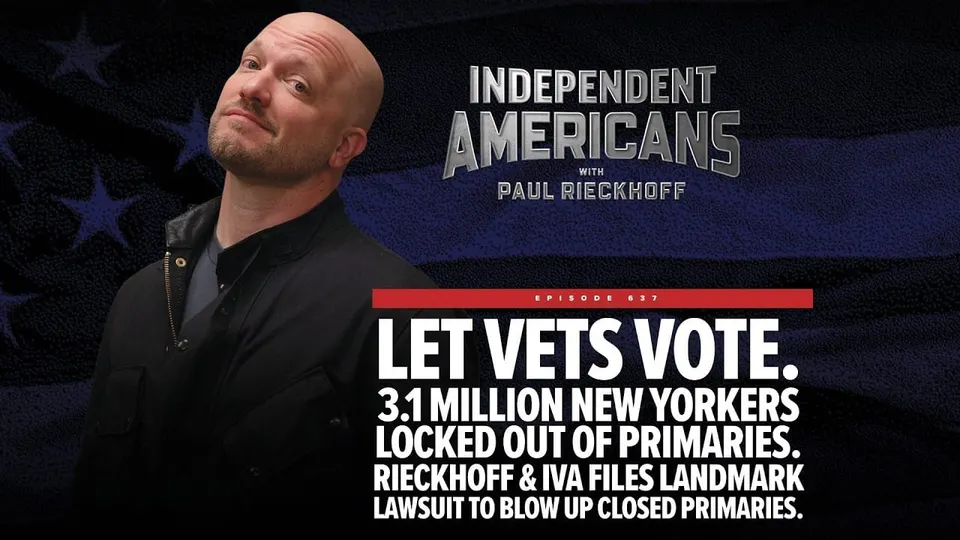
 John Opdycke
 Shawn Griffiths
 Jabari Gibbs, The Current

 Matt Shinners
 Cara Brown McCormick

