Candidates who make it on the ballot don't always make it onto debate stages. Debate rules designed by media outlets, commissions, and civic organizations are locking out independent candidates while major party nominees sometimes skip debates altogether.
Polls are important tools to understand where a race stands, and where the electorate is moving. As with all tools, though, it’s important to understand how to use them.
Trump's controversial LA bombing comment goes viral, but context and selective editing reveal deeper questions about how political clips are weaponized to divide voters.
Independent voters, locked out of primaries in most states, are now the most sought-after voting bloc as candidates distance themselves from party leaders to appeal to the general election electorate.
Critics say ranked choice voting confuses voters, but real-world election data suggests most voters understand the system — and that ballot errors remain rare.
Massachusetts voters could eliminate party primaries and replace them with an open primary allowing all voters to choose any candidate on a single ballot. Here's what Question 3 would actually change.
More than 24 million voters will cast ballots in new congressional districts they didn't move to, as nine states redrew maps in 2025 ahead of the 2026 midterms. The shift raises questions about whether elected officials represent constituents or if voters are being picked by mapmakers for partisan a
A new California poll shows Prop. 39 has a narrow lead among likely voters, but undecided voters—mostly Democrats—could swing the race either way. An analysis of who is undecided reveals the true state of close contests.
Pennsylvania moves toward opening its primaries as lawsuits spread, turnout data favors open systems, and Gen Z drifts further from the two-party mold.
OpenSecrets launches a new dashboard combining state and federal campaign finance data into one searchable platform, making it easier for voters, journalists, and researchers to track money in politics across all levels of government.

 Shawn Griffiths
 Matt Shinners
 Independent Voter Podcast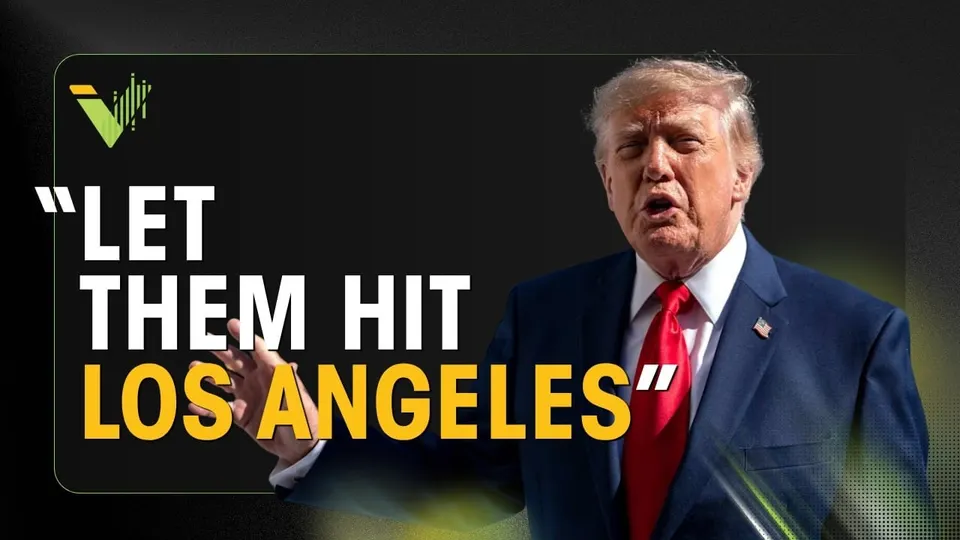

 Paul Haughey
 Steven Hill


 IVN Editorial Board
 Cara Brown McCormick
 Jeremy Gruber
