This growing shift raises a fundamental question: Can a system designed by partisans for partisans remain legitimate when the country is going independent?
Voters back open primaries, fairer ballot access, and more power at the ballot box as the Charter Revision Commission weighs whether to let residents vote on election reform in November.
New polling finds most registered Democrats support letting independents vote in Democratic primaries — and nearly 4 in 10 say they only registered Democratic because New York City gives them no other meaningful choice.
In this episode of the Independent Voter Podcast, Chad and Shawn sit down with Lisa Rice, founder of Grow Democracy DC and a leading voice in the election reform movement.
With a nationwide slate of independent candidates, $2 million ready to be deployed, and campaign staff with real experience, Bob Chew’s in a better position than many to force a conversation he believes is necessary.
Duggan's campaign showed that independent politics will continue to struggle as long as it keeps swinging for the fences instead of figuring out how to get on base.

 Jeremy Gruber
 Shawn Griffiths
 Mike Madrid

 Independent Voter Podcast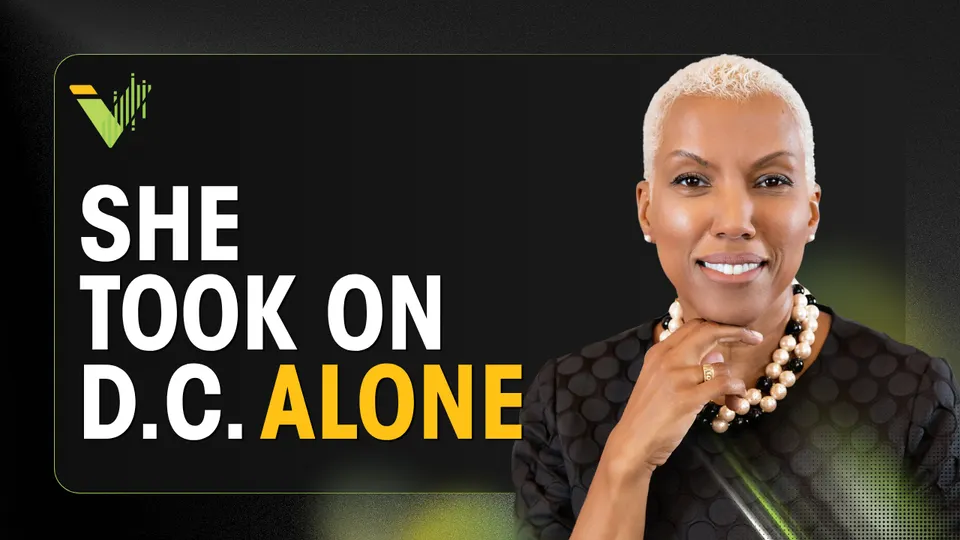
 Eveline Dowling
 Matt Shinners
 IVN Editorial Board
 John E Palmer
 Independent Voter Project
 Dennis Darnoi