Alaska voters will decide whether to repeal their nonpartisan election system, which could allow political parties to shut out 60% of voters registered as independents from participating in primaries.
President Trump's new USPS ballot rule has Republicans and Democrats divided. On this episode, hosts break down what the rule actually does, why a Supreme Court ruling this week is more limited than headlines suggest, and California's fight over open primaries.
A coalition of California Democrats wants to put independent voters’ right to participate in publicly funded elections into the state Constitution — but getting it before voters will require Republican support.
Fourteen California Democrats co-sponsor a constitutional amendment to protect independent voters' right to participate in all publicly funded elections, including primaries, amid a coordinated effort to repeal the state's nonpartisan top-two primary system.
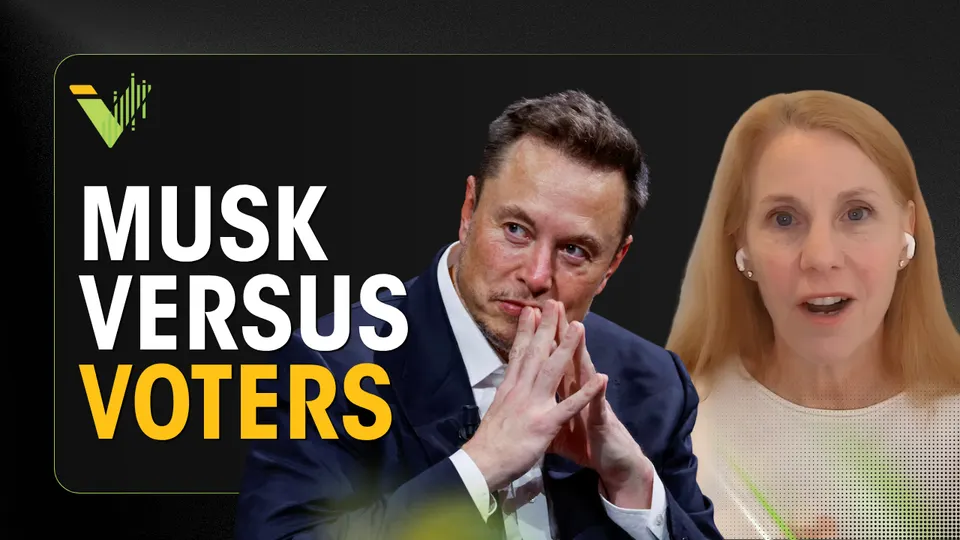
Elon Musk has funneled $1.5 million into efforts to repeal Alaska's Top Four open primary system, which lets all voters participate in primaries regardless of party affiliation.
Political insiders from both parties largely reject the claim that independent voters would sabotage primaries if allowed to participate, and some say open primaries produce stronger candidates.
One question is playing out in courtrooms, on ballots, and in legislatures across the country: who controls primary elections, the parties or the voters. Only SCOTUS can settle it, and when it does, it will put both parties on one side and the voters on the other.
Senator Lisa Murkowski defies Trump on the SAVE America Act, arguing it would create impossible barriers for Alaska voters. Her opposition shows how nonpartisan elections give lawmakers freedom from party pressure.
The effort to repeal California’s Top Two primary would erase the constitutional guarantee that “all voters may vote,” sidelining more than 6 million independents as reformers push for a Top Four or Top Five alternative.
Chad Peace joins Dr. David D. Schein’s Saving America to explain how closed primaries, safe seats, and party-controlled elections leave millions of voters on the sidelines before November ever arrives and the nonpartisan, more choice solution to solve the primary problem.

 Shawn Griffiths
 Chad Peace
 Independent Voter Podcast

 IVN Editorial Board
 Cara Brown McCormick


 Susan von Seggern