Skip to content
Sign up free

Elon Musk's $1.5 Million Attack on Ranked Choice Voting in Alaska | EP52

Elon Musk, the DNC, and State Republicans are all fighting the same enemy: Your right to a meaningful vote.

Elon Musk's $1.5 Million Attack on Ranked Choice Voting in Alaska | EP52

Elon Musk just quietly put $1.5 million behind a network aimed at killing Alaska's Top Four open primary. The kicker: the same measure would repeal the transparency law that let anyone find out he paid for it.

Then the crew digs into Musk's money in Alaska: who's really behind the repeal, why MAGA wants Alaska's system gone, and why Chad argues closed primaries are voter suppression on a scale that dwarfs every voter ID fight in the country. Cara's back from the California Politico Agenda Summit in Sacramento with a Nancy Pelosi scoop about what she actually told Joe Biden before he dropped out - and Chad refuses to let Pelosi off the hook.

Along the way: a New York poll where a third of Democrats admit they're not really Democrats and Abdul El-Sayed's viral shot at John Fetterman.

Poll Finds that a Majority of New York Democrats Don’t Really Want to be Democrats
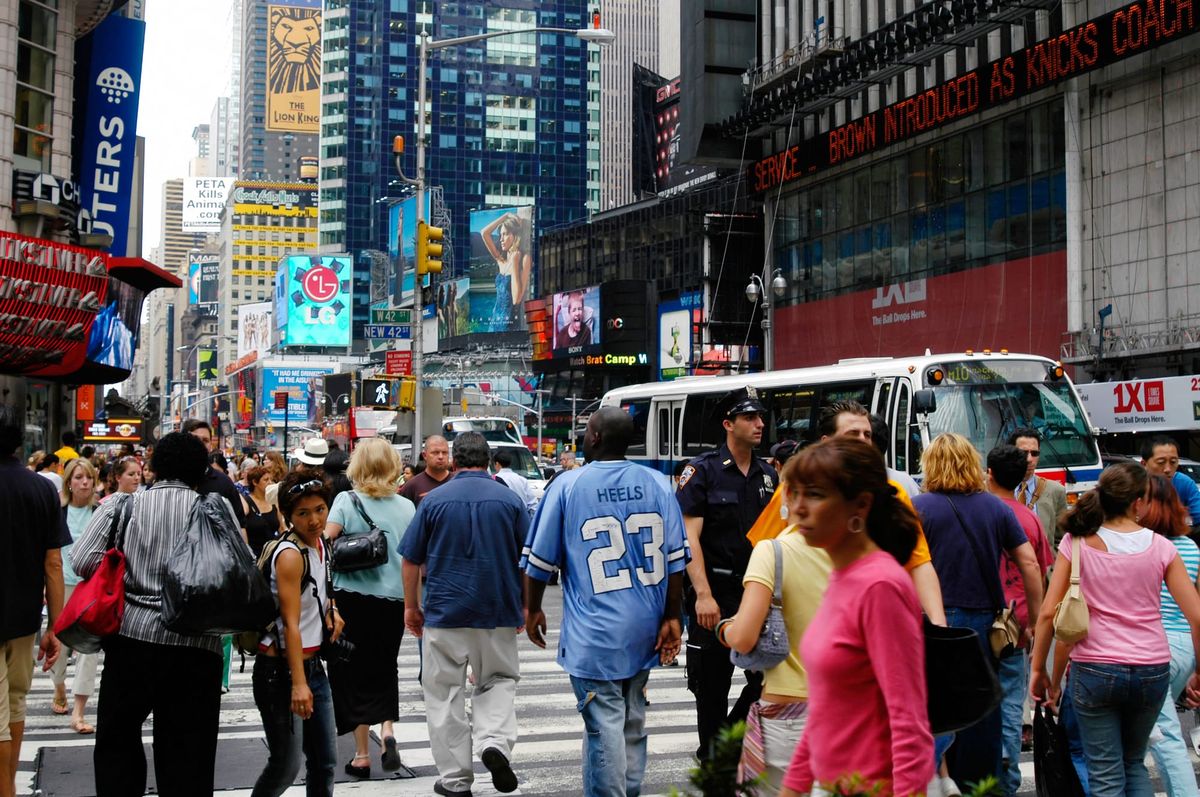
New polling finds most registered Democrats support letting independents vote in Democratic primaries — and nearly 4 in 10 say they only registered Democratic because New York City gives them no other meaningful choice.

This episode is sponsored by the Independent Voter Project and produced by Olas Media. Listen on Spotify or Apple Podcasts.

The Independent Voter Podcast also has its own YouTube channel! If you enjoy these conversations, 
subscribe to our dedicated channel for full episodes, interviews, and future content.

Episode Highlights

On this episode of the Independent Voter Podcast, hosts Chad, Cara, and Ethan dig into Elon Musk's controversial funding of Wisconsin-based "Aurora Network," which has funneled roughly $1 million toward repealing Alaska's Top Four nonpartisan open primary system — one of the most closely watched ranked choice voting (RCV) states in the country.

The hosts highlight that the repeal effort also targets a campaign finance transparency measure, meaning voters would lose visibility into who's bankrolling the fight against election reform.

Chad argues this puts Musk, Alaska Republicans, and national Democrats on the same side against open primaries, framing the effort as part of a broader, coordinated push — echoed in California's "Undo the Top Two" initiative and closed-primary battles in New York, Florida, and Texas — to roll back nonpartisan primary reforms nationwide.

The Voting Rights Case That Could Turn Both Parties Against the Supreme Court
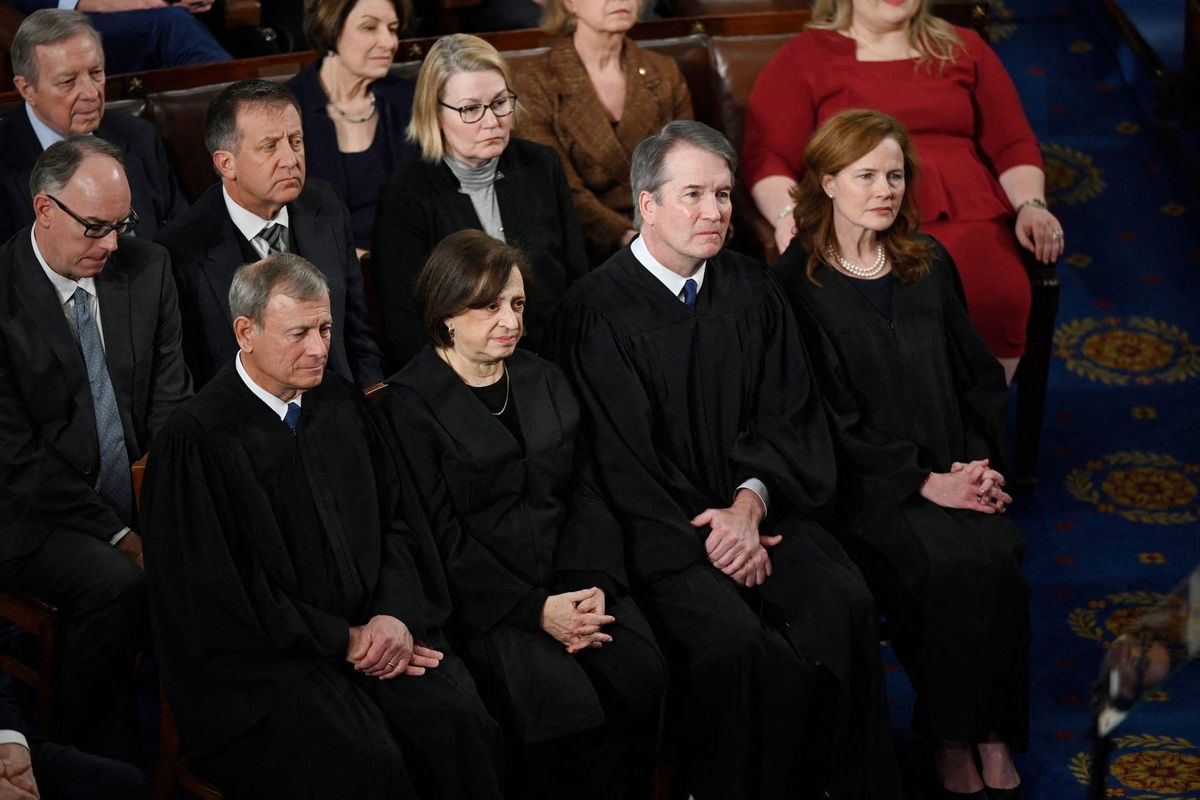
One question is playing out in courtrooms, on ballots, and in legislatures across the country: who controls primary elections, the parties or the voters. Only SCOTUS can settle it, and when it does, it will put both parties on one side and the voters on the other.

The conversation turns to closed primaries and voter suppression, with Chad making the case that barring independent voters from primary elections — unless they falsely register with a party — amounts to a modern-day poll tax and a violation of First Amendment association rights.

Citing journalist Mike Madrid's Sacramento Bee op-ed, the hosts note that Latino and Asian voters register as independents at disproportionately higher rates than white voters, undercutting the narrative that closing primaries protects minority representation.

They also reference an Open Primaries-commissioned poll in New York City showing that roughly a third of self-identified Democrats — and nearly half of Latino Democrats — say they register with the party purely to have a "meaningful vote" in the dominant primary election, not out of genuine partisan affiliation.

Beyond policy, the trio riffs on current political theater: Nancy Pelosi's comments at the California Politico Agenda Summit about urging President Biden toward a cognitive test before he dropped out, plus Chad's ongoing critique of her ripping up Trump's State of the Union speech.

They also discuss the viral clip of Michigan Senate candidate Abdul El Sayed sparring with John Fetterman, and close with lighter banter on political charisma, gerrymandering, and the state of congressional term limits discourse.

Adhere to the IVN etiquette

By posting a comment, you agree to adhere to our etiquette rules: No partisan attacks, no personal attacks, substantiate your sources, no self-promotion.

More in Independent Voter Podcast

See all
Get IVN’s Free Weekly Newsletter:Get IVN’s Free Newsletter

Get IVN’s Free Weekly Newsletter:Get IVN’s Free Newsletter

Nonpartisan Issues. Diverse Perspectives.

Check your inbox and click the link to confirm.

Republish this article

Republishing guidelines

Republish IVN articles for free. Independent Voter News articles may be republished online or in print under a Creative Commons BY-NC-ND 4.0 license, on these terms:

  1. Credit the author and IVN. Keep the byline ("By Author Name, Independent Voter News") and the attribution note at the end, which links to the original.
  2. Point search engines to the original. Set the canonical URL of your copy to the original IVN article (the HTML we give you includes the tag).
  3. Keep the meaning. You may update time and place references and apply your house style. You may trim for length, as long as the cuts don't change the meaning or misrepresent the author. Keep the headline. Mark any additions as your own (for example "Additional reporting by ...").
  4. Translations are welcome. Translate faithfully, add "Translated from English by [your outlet]", and tell us at editor@ivn.us.
  5. Keep the links, including the link to the original article.
  6. Keep the tracking image. The HTML includes a 1-pixel image that counts readers on your page. It collects no personal information.
  7. Photos and illustrations. Images credited to IVN may be used with this article only. Images credited to others (AP, Getty, Unsplash, Wikimedia and so on) stay under their owners' terms. Secure the rights or switch "Include images" off.
  8. Don't sell it. You can't sell our articles or sell ads specifically against them. Your normal site advertising is fine.
  9. No implied endorsement. Don't suggest that IVN or the author endorses you, your candidates or your causes, or that donations to you support IVN.
  10. Keep labels. Opinion or analysis pieces keep that label.
  11. No bulk or automated republishing, and don't submit our articles to aggregators (Apple News, Google News, MSN) as your own.
  12. Corrections and removals. Update your copy when we correct it, and remove it promptly if we ask. We'll contact you at the email you give us.
  13. Questions or print republication: editor@ivn.us.

IVN staff: fill in who you're inviting above, then create the invite.

Preparing the article

Elon Musk's $1.5 Million Attack on Ranked Choice Voting in Alaska | EP52

Choose a format
  • HTML
  • Email HTML
  • Markdown
  • Formatted (.docx)
  • Plain text
  • WordPress blocks
  • PDF
Choose a platform

Photos credited to others need their owners' permission.

To for

Republishing somewhere else? Questions? editor@ivn.us