
 Open Primaries
Editor's Note: The following is an organizational statement submitted to IVN from the better elections reform group Open Primaries.
For months, political commentators and party insiders warned that California's Top Two primary system was terrible for Californians. Why? Because the open system would result in two Republicans facing off against each other in November's Gubernatorial final.
This prediction was repeated so often that it became accepted wisdom within the political echo chamber. But nobody bothered to speak to the voters. They like the open system that lets all voters vote, and they used it to make a sophisticated statement on Tuesday about their dissatisfaction with both major parties.
 Shawn Griffiths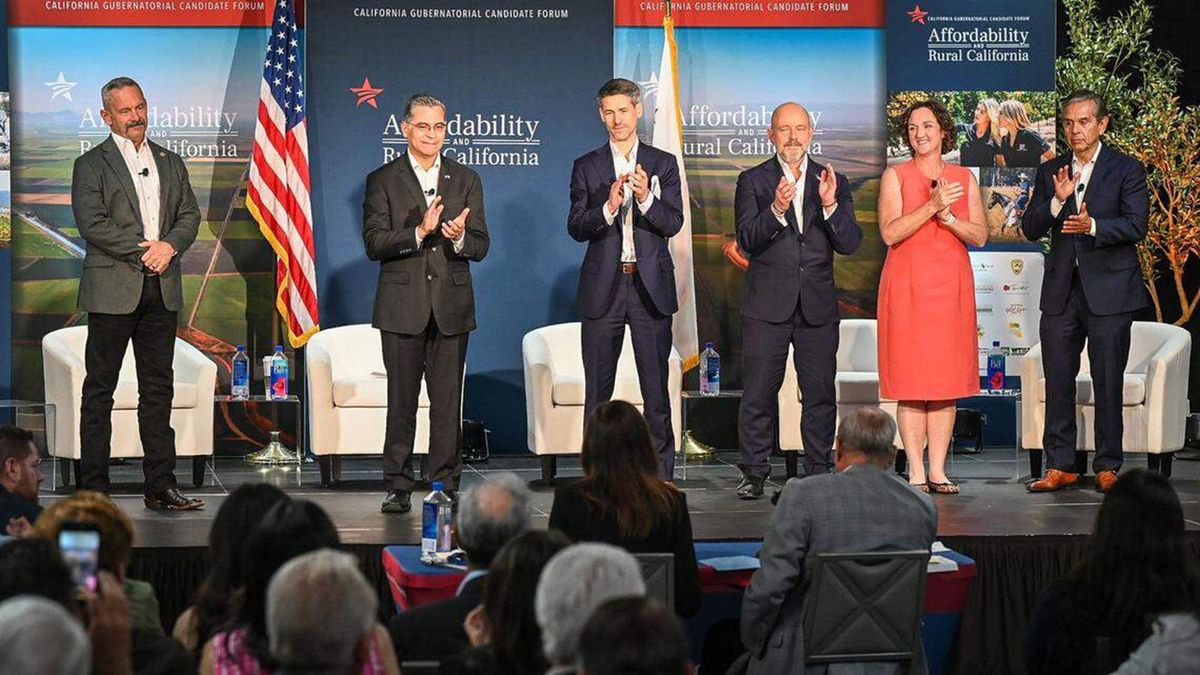
The "Republicans will win in a blue state" hysteria dominated headlines, political panels, and insider conversations for months, and it was pure game theory, completely divorced from real people and real politics.
California voters did exactly what voters tend to do: they evaluated the candidates, coalesced around viable contenders, and produced a result broadly reflective of the state's electorate. They did not flock to MAGA, but they found ways to express concern with the Democratic Party's ignoring of key issues like homelessness and affordability.
 Shawn Griffiths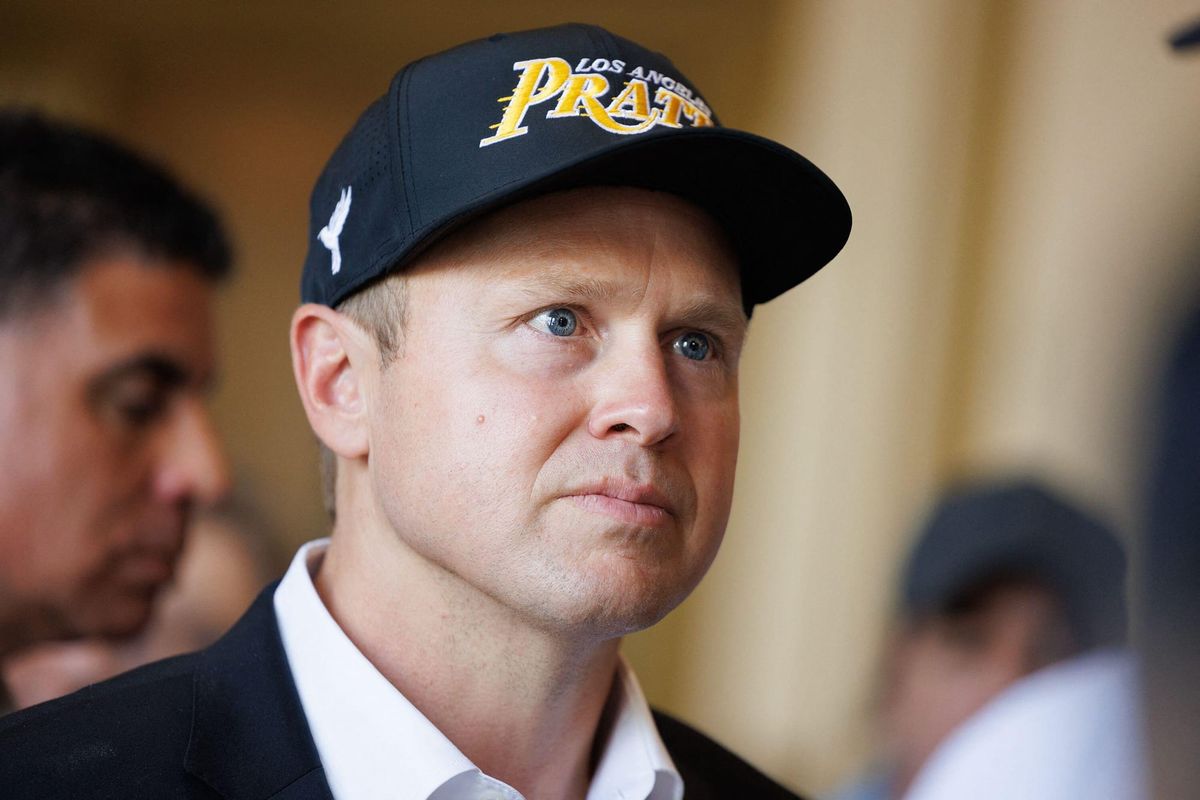
The prediction failed because many analysts focused on theoretical vote-splitting models instead of actual voter behavior. They treated Californians as static pieces on a chessboard rather than citizens capable of responding to campaigns, polling, media coverage, endorsements, and the evolving dynamics of a competitive election.
They assumed that Democrats would remain permanently fragmented while Republicans would unite behind a single candidate. Neither assumption proved true.
More fundamentally, many critics approached the election with the predetermined belief that nonpartisan primaries are fundamentally flawed and interpreted every development through that lens. The possibility of two Republicans advancing became less an evidence-based prediction than a political talking point deployed to argue against an open primary system.
What actually happened tells a very different story. California voters used the Top Two system to engage in a vigorous debate about the state's future. Candidates were forced to compete for support beyond narrow partisan constituencies. Independent voters were able to participate fully.
Concerns about affordability, governance, public safety, housing, and the elitism of the ruling Democratic Party were aired in a public election open to all voters. This is exactly how our democracy should work.
That conversation would have looked very different in a closed primary system. It probably would not have even happened in a closed system! Millions of independent voters would have been excluded, and candidates would have been jumping over one another to pander to narrow groups of partisan die-hards.
Instead, California held a genuinely public election that gave voters the opportunity to register dissatisfaction with the status quo while still producing a broadly representative outcome.
The Top Two system allowed Californians to express themselves. The doomsday scenario the chattering consultant class predicted wasn't just wrong. It was pure manipulation disguised as analysis.
And if they move ahead with a 2028 ballot measure to ban 6 million independents from participating in publicly financed primary elections, they better be ready for a real fight.