The Trump administration is taking direct ownership stakes in major U.S. corporations like Intel, U.S. Steel, and Westinghouse Electric, marking an unprecedented expansion of federal control over American business.
California's Problem Solvers Caucus, a bipartisan group of 26 lawmakers, is quietly working to solve real problems like housing costs and energy by passing bills without partisan conflict.
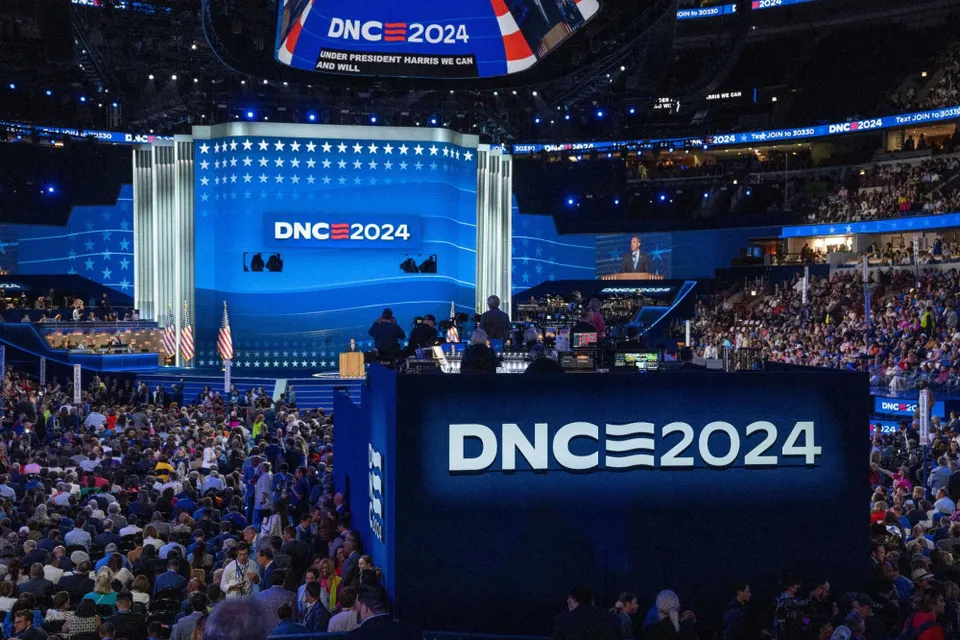
Both the Democratic and Republican national committees are now opposing ranked choice voting, with the DNC set to vote Saturday on banning it in 2028 primaries even in states where voters approved it.
California's nonpartisan Top Two primary brought record Latino turnout in the 2026 governor's race. Now party insiders are pushing to repeal it, which strategist Mike Madrid warns would silence the state's fastest-growing voting bloc.
Maine Democrats nominated Troy Jackson for Senate after a rapid grassroots campaign mobilized delegates across the state. Now he faces incumbent Susan Collins in a race that polling shows is too close to call.
Closed primaries do not protect party purity—they force independent voters to register with parties they do not believe in just to have a meaningful voice.
Democratic National Committee are close to adopting a ranked choice voting ban in the 2028 presidential primary, despite its use in Maine and Washington, D.C. state law.
The U.S. is quietly disengaging from international election scrutiny at home while deploying partisan observers abroad, creating a troubling parallel to tactics used by authoritarian regimes.
In New York City’s deepest-blue districts, Republicans are not a credible alternative—but coalition-minded independents could give voters the competition the closed primary system denies them.
The US Constitution begins with "We the People." These words do not distinguish between Democrats, Republicans, independents, or voters with no party affiliation. They simply recognize the people.
The National Popular Vote Interstate Compact offers a state-based way to break the swing-state cartel, weaken minority rule, and make every presidential vote count.