 Jeremy Gruber
The Pennsylvania House has passed open primaries legislation. Now the pressure is on the Senate to act—and Senator Lisa Boscola is making sure independent voters are heard.
After years of fighting for reform, Boscola took to the Senate floor to demand action on Senate Bill 400, her legislation to give Pennsylvania’s nearly 1.5 million independent voters a voice in primary elections.
“Independent voters deserve a voice. They deserve a choice. And they deserve action,” Boscola declared. Her message to her colleagues was unmistakable: the time for waiting is o11ver.
With bipartisan momentum building in Harrisburg and the House already on record, the Senate has a clear opportunity to move Pennsylvania closer to elections that include every voter.
Watch Senator Boscola’s floor speech and hear her call for action:
Want to help get open primaries across the finish line in Pennsylvania? Email Cathy Stewart, Open Primaries’ National Organizing Director, to find out how you can get involved and help build the pressure on the Senate to act.
NYC Independents Take to the Streets
ICYMI — The NYC Open Primaries team hit the streets at Brooklyn’s Atlantic Antic, the borough’s largest and oldest street festival. Hundreds of New Yorkers signed an open letter urging Mayor Mamdani to meet with independent voters from across the city.
Hear directly from the streets of Brooklyn.
Ed Brady:
Max Bissonnette:
Yvonne Murray:
What We're Talking About
Independents Will Decide The Midterms. So Why Are They Shut Out?
With control of Congress and the direction of the country at stake, independent voters are emerging as the kingmakers of the 2026 midterms. In appearances on Forbes Newsroom, C-Span, and NewsNation, Open Primaries President John Opdycke discussed the extraordinary power independents hold. A new Los Angeles Times report featuring Open Primaries Senior Vice President Jeremy Gruber and Independent Voter Project legal strategist Chad Peace drives the point home: independents have the power to decide elections, but too often have no say in choosing the candidates.
A record 45% of American adults identify as independents, and candidates across the country are competing for their votes. As the LA Times highlights, “Independent voters are going to be deciding this election in every respect, and they want less partisan mudslinging and a genuine effort to engage and persuade them.”
 John Opdycke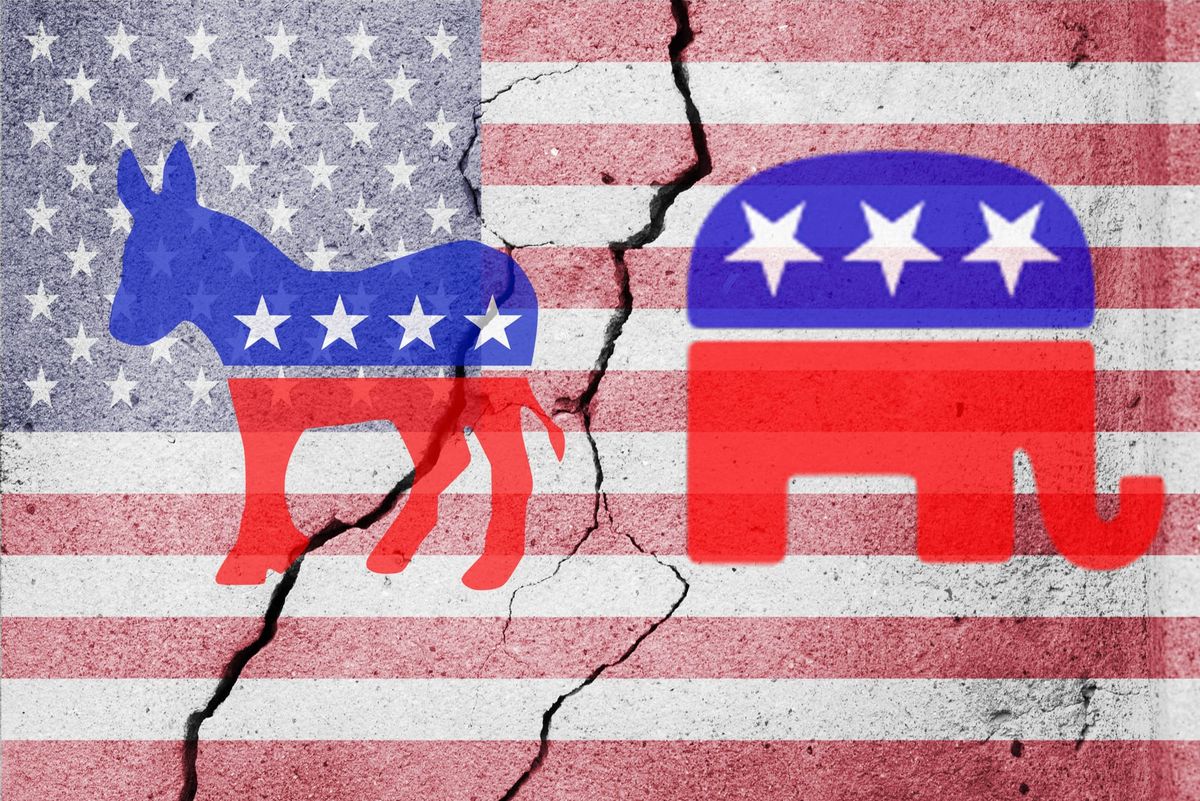
Here’s the contradiction at the heart of American politics: independents can help determine the country’s political future in November, yet in many states they’re shut out of the taxpayer-funded primaries that determine which candidates make it to the ballot. Candidates know they need independent voters. It’s time our election systems caught up.
Watch John Opdycke on Forbes Newsroom (below) and on C-Span and NewsNation at these links and read the full Los Angeles Times article.
Did You Know?
That Oprah Is an Independent
Watch her explain why she’s joined millions of Americans who have declared their independence.
Reaching Massachusetts Independent Voters
Joyce Dattner is a longtime independent voter and activist in Berkshire County who has been active in the Massachusetts Question 3 campaign, gathering signatures and hosting a house party with Mary Lou Burdick in August.
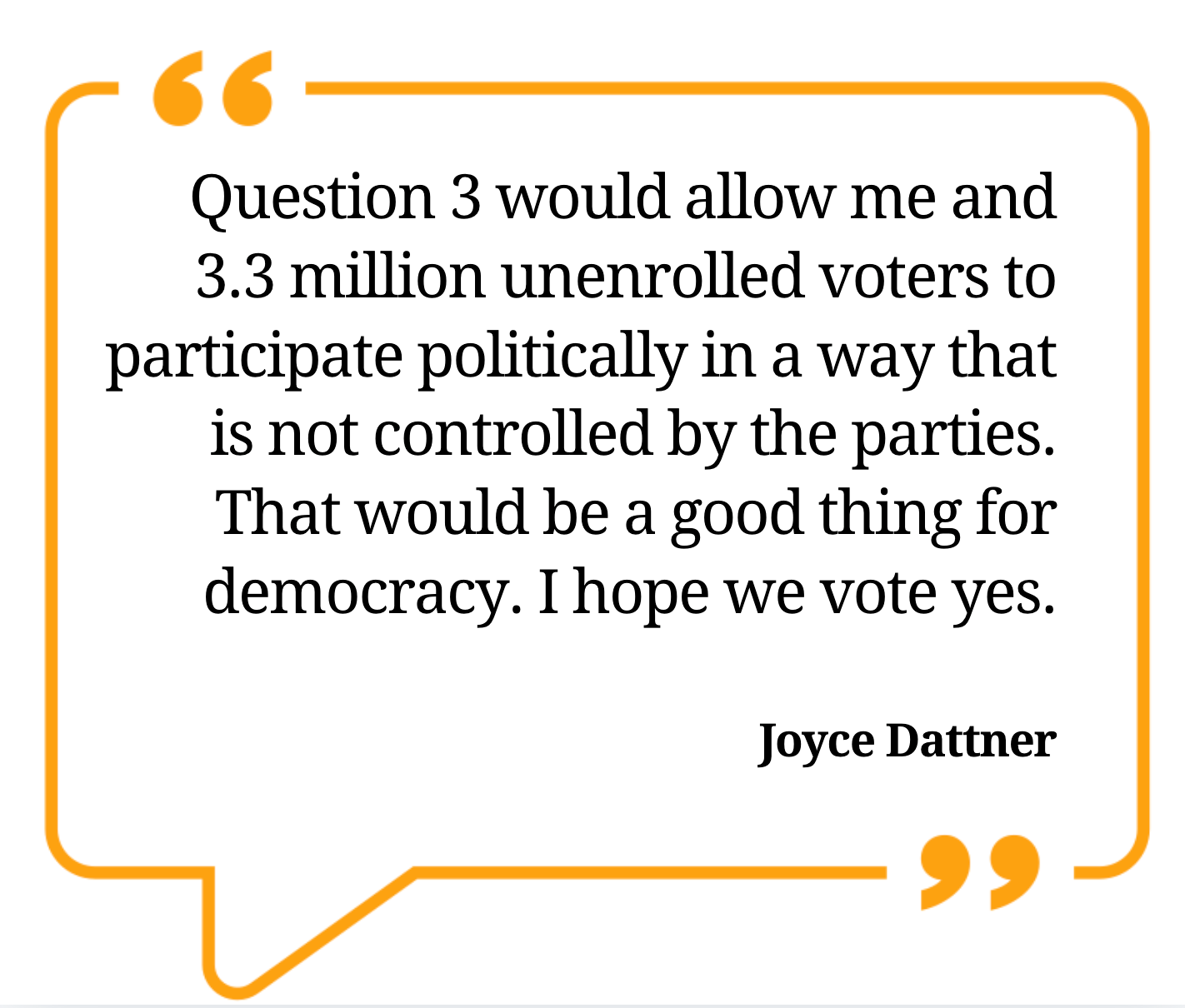
This week, Joyce penned a Letter to the Editor in the Berkshire Eagle with a specific goal: reaching independent voters, who make up the majority of Massachusetts voters but many of whom still don’t know what Question 3 would mean for them. The measure would create an all-party primary where every voter receives the same ballot and the top two candidates advance to the general election. Currently, independents must choose a party’s ballot to participate in a primary.
As she concludes:
Check out her video message:
 Shawn Griffiths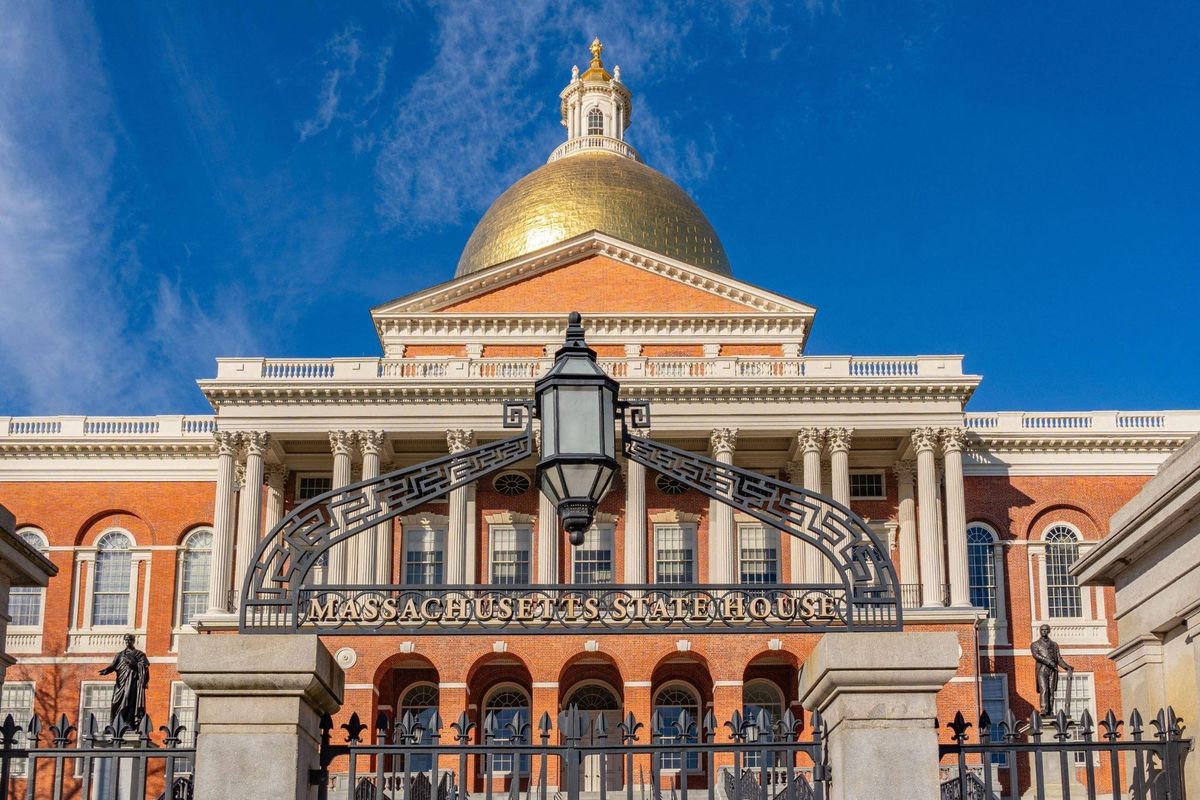
Midterm, Media, And Independents
A Message from Cathy Stewart
As we approach the midterms, the media is recognizing that independent voters could determine control of Congress and the outcome of November’s elections. My phone and inbox are filled with frantic requests: Can you find us an undecided independent in Iowa? A Gen Z independent for a 6:30 a.m. interview? You get the picture!
Part of the frenzy is that the media spends virtually no time talking to independents between elections. But I love connecting our network with the press and putting independent voices on the airwaves. We have a lot to say about the lack of voting rights in 14 states and candidates who aren’t reaching out or listening. Sandi Hebley of Texas recently shared her take on AI campaign ads in an interview with NewsNation: “I’d rather hear from the actual people than something that some committee somewhere made up.”
If you’re on our Spokesperson Committee, watch for a call or email—probably on short notice! Want to join my shortlist of interviewees? Email cstewart@openprimaries.org .
Gwen Mandell and I are also growing our network of independent spokespeople. Want to tell your story? Apply for our next Spokesperson Training Program here.
Breaking News
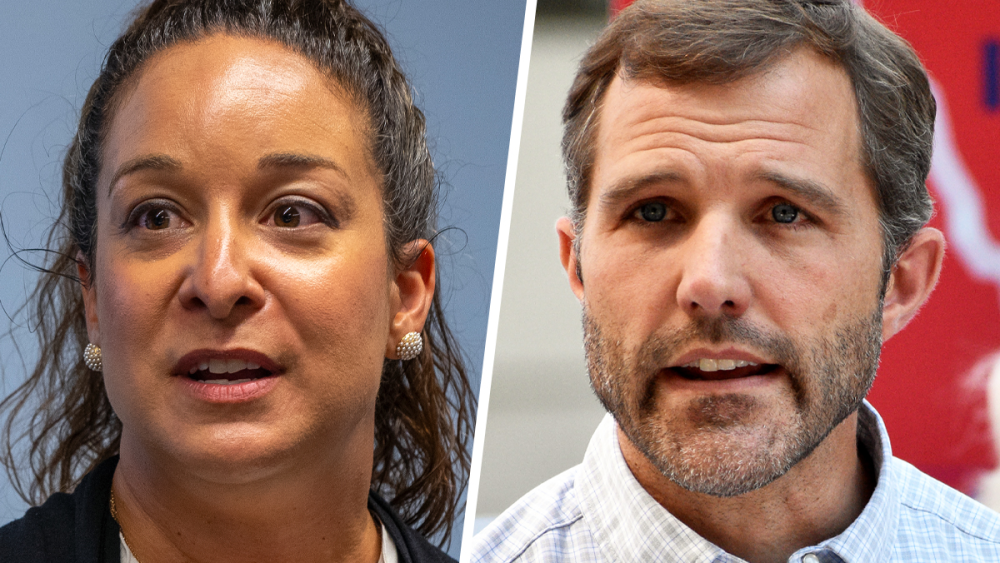
In a stunning break with party politics, Montana Democratic Party Chair Shannon O’Brien is resigning to endorse independent Senate candidate Seth Bodnar. In a powerful new op-ed for MS NOW, O’Brien makes the case that when the future of your state is at stake, party loyalty shouldn’t matter more than the values you stand for.
O’Brien joins prominent Montana Democrats, including former Gov. Steve Bullock and former Sen. Jon Tester, in backing Bodnar. Her decision underscores a growing challenge to politics as usual: voters shouldn’t have to choose between their values and a party label. Read O’Brien’s op-ed to see why she’s making this stand—and what it says about the growing role of independent candidates AND voters in American politics.
What We're Reading
Millions of Americans Say They Were Locked Out of the Primaries
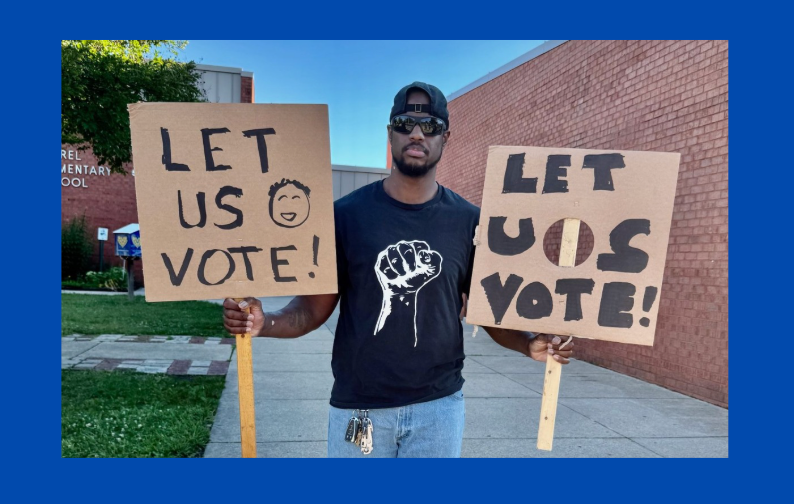
A new survey analysis published by RealClearPolitics found that 28% of independents who skipped the 2026 primaries said they weren’t eligible to vote—the most common reason independents gave for sitting out. Even more telling: 70% of voters who said they were ineligible support open primaries. The message is clear: millions of Americans want a voice in choosing their leaders, but the system is shutting them out.
In Case You Missed It
Alaska’s Repeal Fight Has One Unmistakable Message: Voters Want Open Primaries
The campaign to repeal Alaska's ranked-choice voting and nonpartisan top 4 primaries is doing something quite dishonest. They are running ads saying that overturning Alaska’s nonpartisan system would “bring back the days of open primaries.”
Get rid of an open system to bring back…open primaries?
 Shawn Griffiths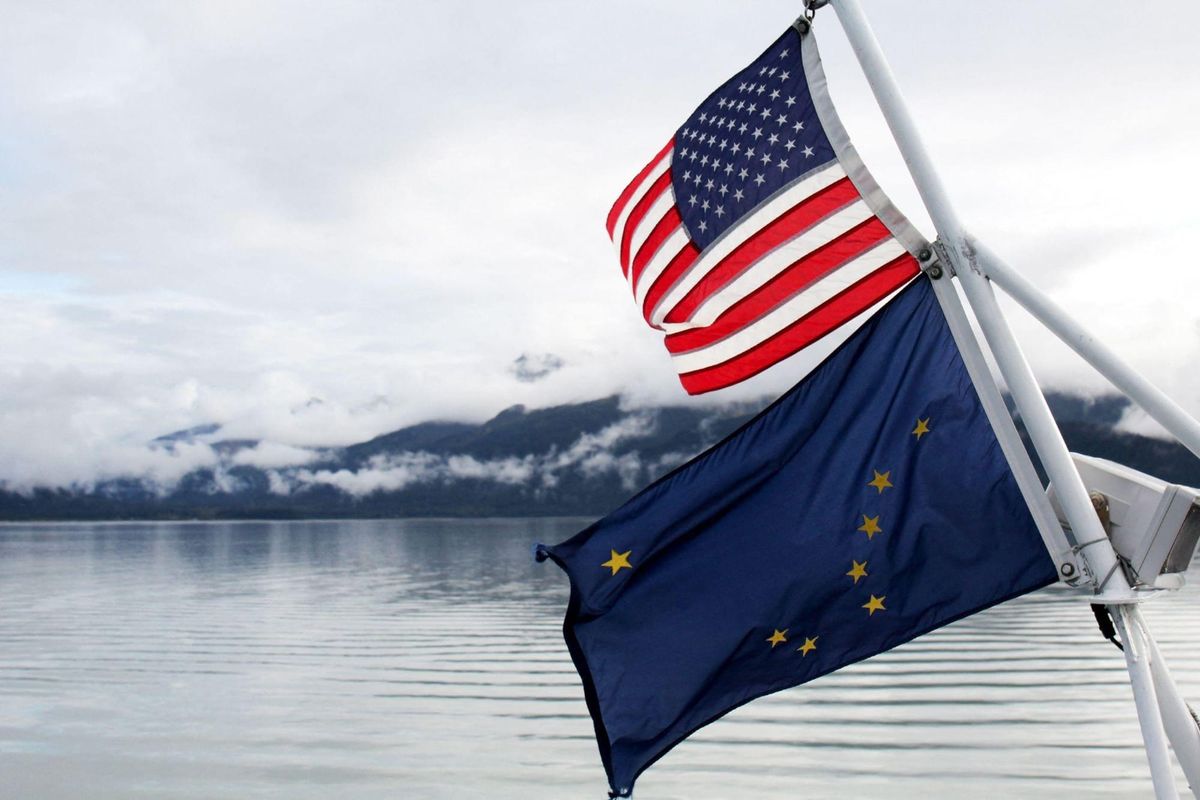
The current system guarantees every voter can participate. Repeal would return Alaska to partisan primaries, where parties can decide whether or not independent voters are allowed to participate.
But the dishonesty points to something important: the repeal campaign knows Alaska voters like open primaries. They know voters want to participate without first choosing a political party.
They have good reason to know it. Independents make up roughly two-thirds of Alaska’s voters.
That is the real story: even the campaign fighting to repeal Alaska’s open system understands that independent voters expect—and want—a voice.