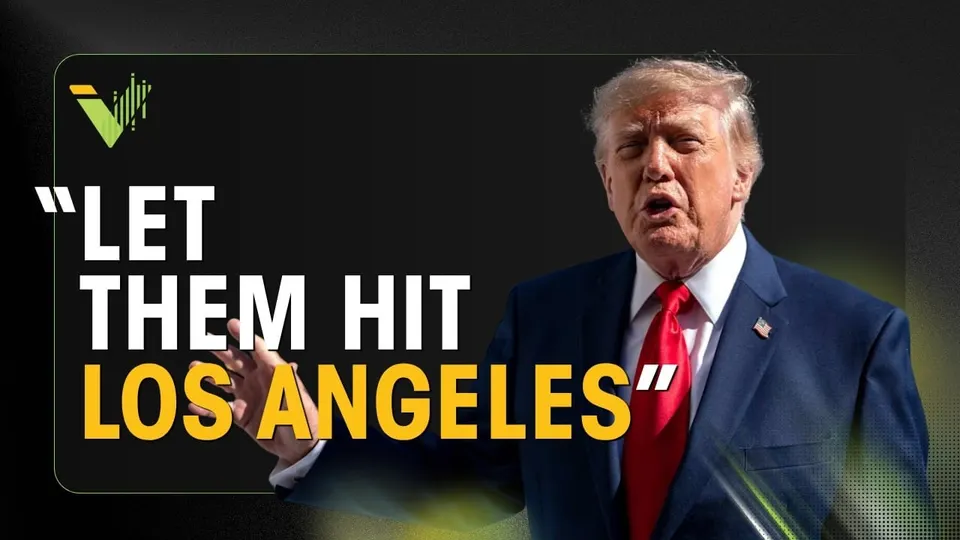
Independent Voter Podcast
Fresh off the California gubernatorial primary, Chad, Cara, and Ethan break down why the "Top Two will produce two Republicans" narrative was a manufactured fear - and why it collapsed the moment voters actually voted, with Steve Hilton and Xavier Becerra heading toward a traditional R-vs-D general.
They dig into who was pushing that panic and why (fundraising, juicing turnout, and a quiet war on Top Two itself), including the uncomfortable detail that a party chair reportedly asked a leading minority candidate to drop out. Stick around for the bigger question the reform movement keeps dodging - and a pitch for what could come after Top Two.
This episode is sponsored by the Independent Voter Project and produced by Olas Media. Listen on Spotify or Apple Podcasts.
Episode Highlights
In this episode of the Independent Voter Podcast, Ethan, Chad, and Cara break down the California primary election results in real time, with only 57% of expected votes counted. Early results show Steve Hilton leading at 27.8%, followed by Xavier Becerra at 25.4%, and Tom Steyer at 19.5%.
They highlight how political outsiders and independent voters shaped the outcome, debunking the disinformation campaign pushed by establishment party insiders who manufactured a fear narrative about two Republicans potentially advancing.
It was deliberate election misinformation designed to suppress competition, drive fundraising, and boost partisan voter turnout.
 Open Primaries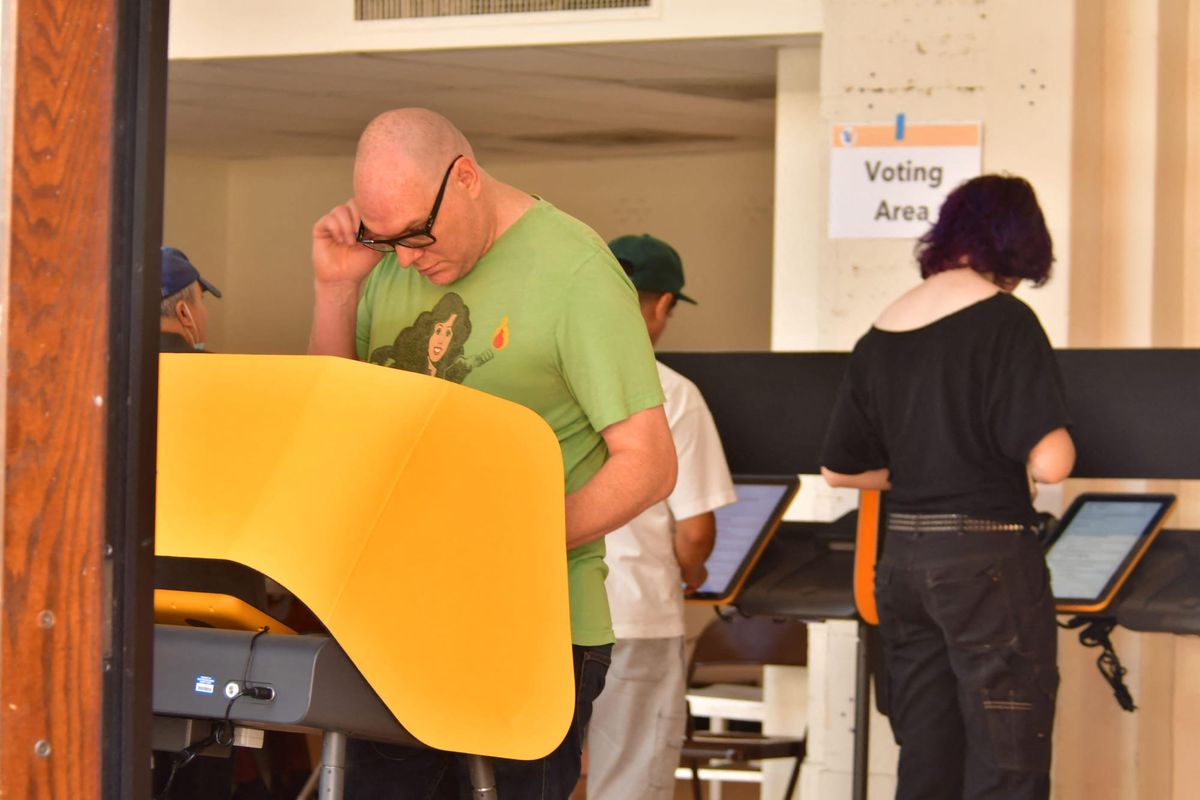
The conversation digs deep into election reform, voter rights, and democracy vs. partisanship, centering on California's Top Two nonpartisan primary system. Political elites from both the Democratic Party and Republican Party are attempting to dismantle Top Two— not because it's broken, but precisely because it empowers voters over party bosses.
Data from the California State Library shows that since Top Two was approved by voters in 2010, women's representation in the legislature grew by 79%, the state senate became majority women, and Latino and Hispanic representation surged from 37% to 55% of seats.
It is a striking indicator of how election system reform drives diversity in government and political representation.
The episode also explores next-generation electoral reforms, proposing a potential Top Four or Top Five primary combined with ranked choice voting (RCV) in the general election —a system that is being dubbed More Choice Voting.
 Cara Brown McCormick
It would eliminate first-past-the-post voting and ensure winners reflect a true voter majority.
It’s worth noting that Latino voters — the fastest-growing independent voter demographic — overwhelmingly support open primaries, with 80% favoring the current system over a return to closed partisan primaries.
 IVN Editorial Board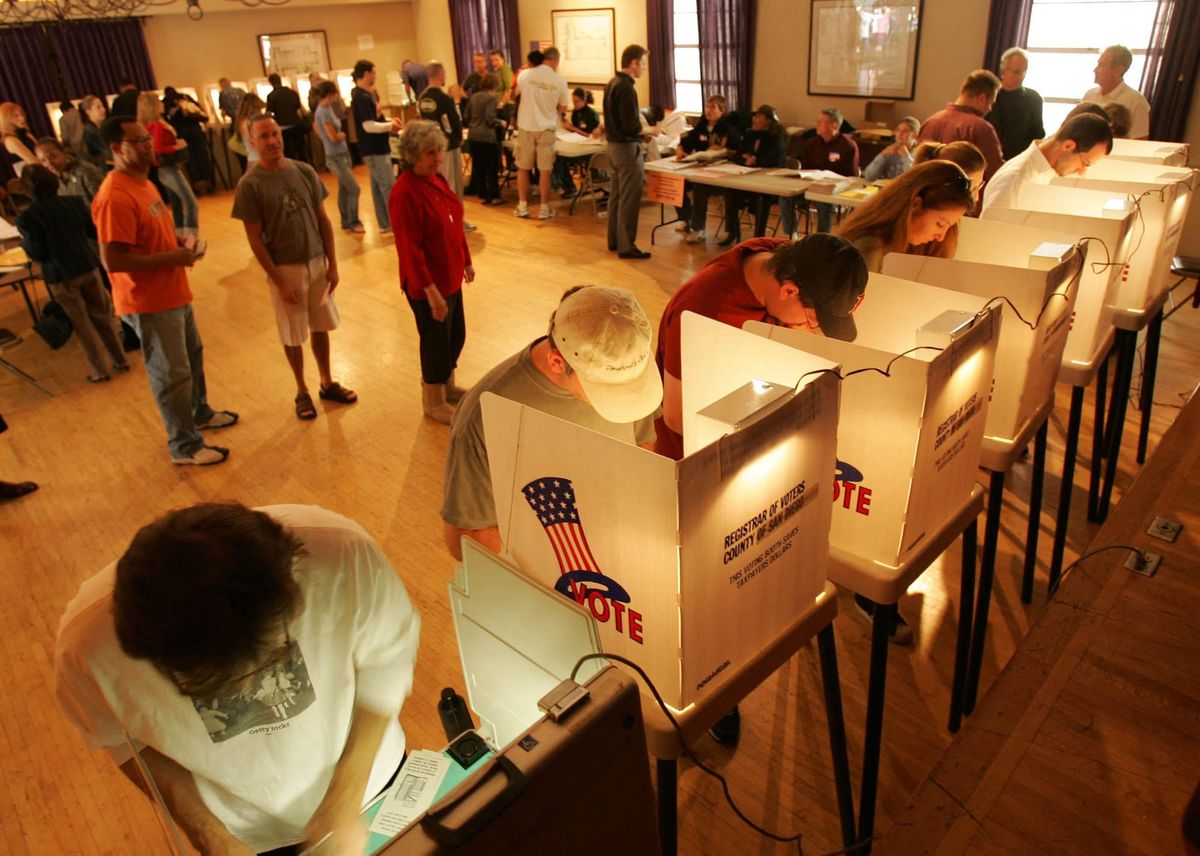
As election integrity, voting rights, and political polarization dominate national headlines, this episode offers a timely, nonpartisan perspective on reshaping American democracy from the ground up.