 Jeremy Gruber

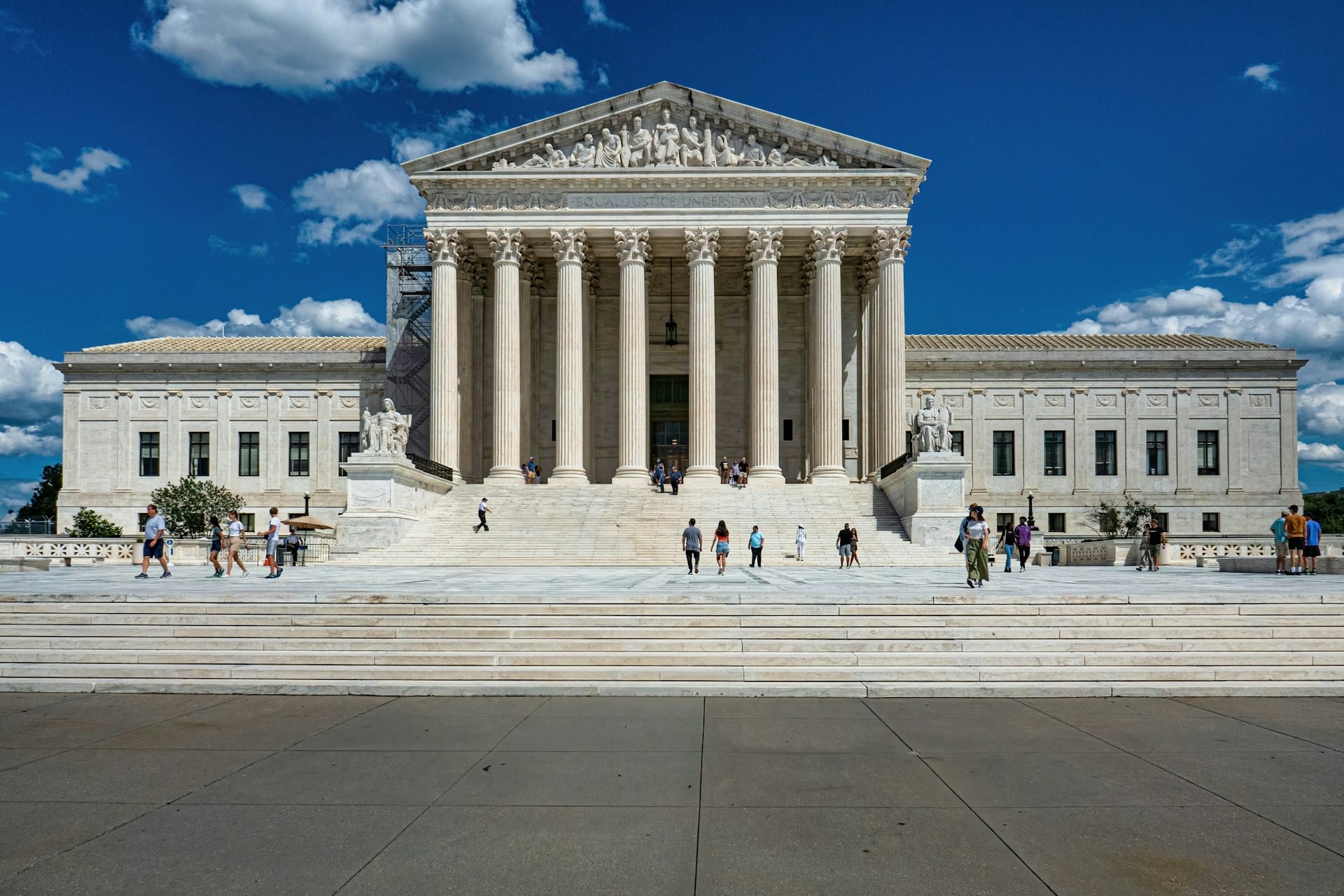
This week the Supreme Court denied cert in the case of Polelle v.Byrd; a case challenging Florida’s closed primary in the federal courts. It was not an unexpected outcome. The court only grants cert to roughly a hundred of the close to 10,000 cert petitions it receives each year and often denies cert to allow more lower courts to weigh in on an issue.
Litigation is sometimes viewed as a zero-sum game of wins and losses. That’s the wrong framework, though, in understanding the pathway for changing the legal framework of an entrenched political/social issue. It involves building. Take Brown v Board of Education, for example. That case was built on a foundation of over a dozen cases and when it did reach the Supreme Court, it was formed by combining it with four other similar cases from different states and jurisdictions.
That’s the framework for understanding our legal path forward on challenging closed primaries. Here’s three key reasons why the Polelle case represents a critical step forward:
The win: In the 11th Circuit's decision, the Court found in favor of Polelle on the issue of standing. It determined that he had in fact suffered an imminent injury by being denied the right to participate in Florida's primary. The Court went on to rule that any requirement that forces an independent voter to either register with a political party or forfeit his ability to a meaningful vote puts him at a concrete disadvantage to other voters and is a potential equal protection clause violation. By doing so, the court swung the door wide open for future legal challenges by independents in other jurisdictions. By denying cert., the Supreme Court has allowed that holding to prevail.
The discussion: The concurring opinion in the 11th Circuit decision offers a series of firsts for any court on the issue of independent voters. Indeed, Judge Abudu declares that the precedent for the court’s decision deserves to be seriously reconsidered. She underscores this by analogizing independent voters with other marginalized groups that courts have historically ruled in favor of and invoked Terry v. Adams as evidence -- a case in which the Supreme Court struck down an electoral scheme for primary elections, which systematically excluded Black voters. Equally unprecedented, the concurring opinion explores the massive change in the electorate, the numerical rise of independent voters, and who they are -- with a serious consideration of the particular growth of independents of color. No court has ever undertaken such an analysis. It likely played a role in the Supreme Court going to conference on the case and will push future Courts to consider these issues much more seriously.
The debate: To deal with the high volume of cert. petitions, seven of the nine justices of the Supreme Court participate in a "cert pool" where their law clerks divide up petitions and write memos for the group with recommendations (2 justices have their clerks review the entirety of the cert petitions). Each justice reviews the clerk's memos. 99% of cert petitions are denied outright. If a justice believes a case is important enough to discuss, though, they add it to the "discuss list" for the upcoming conference which is what occurred in the Polelle case. That means that both a clerk and at least one Justice found the case ALREADY ripe for the Supreme Court to hear. It also means that the entire Court-for the first time ever-discussed the rights of independent voters to vote in primaries. That means the Court will have been educated and thought about these issues the next time there is a cert. petition before them; significantly increasing the chance of them granting it.
This is exactly why Open Primaries, in partnership with national groups like Independent Voter Project and local attorneys and firms from coast to coast, are building a platform of litigation. Every case, every action, takes us closer to a legal decision that can defeat closed primaries at the state and eventually the national level. Onward!
Jeremy Gruber is the Senior Vice President of Open Primaries, a national election reform organization. He is part of the legal team that filed the joint amicus brief with SCOTUS.