The City of San Diego has a lot to consider when it comes to its energy future.
If Community Choice Aggregation or CCAs is passed by the City Council in January, it would essentially empower those elected officials to purchase energy for the city, not SDG&E.
SDG&E would still maintain their infrastructure, still conduct meter tests and readings, but the government would make those important price point decisions.
The contemplation of those decisions are materializing in a bruising campaign between the San Diego Community Choice Alliance and Clear the Air coalitions.
SDCCA
The new SDCCA coalition kicked off its efforts with a news conference at Civic Center Plaza. The group is laser focused on bringing the City of San Diego to 100% renewable energy by 2035. A goal that is legally binding. To reach that goal, the coalition is working hard to get the city council to adopt their CCA vision come January. That's when the council is expected to vote on this issue.
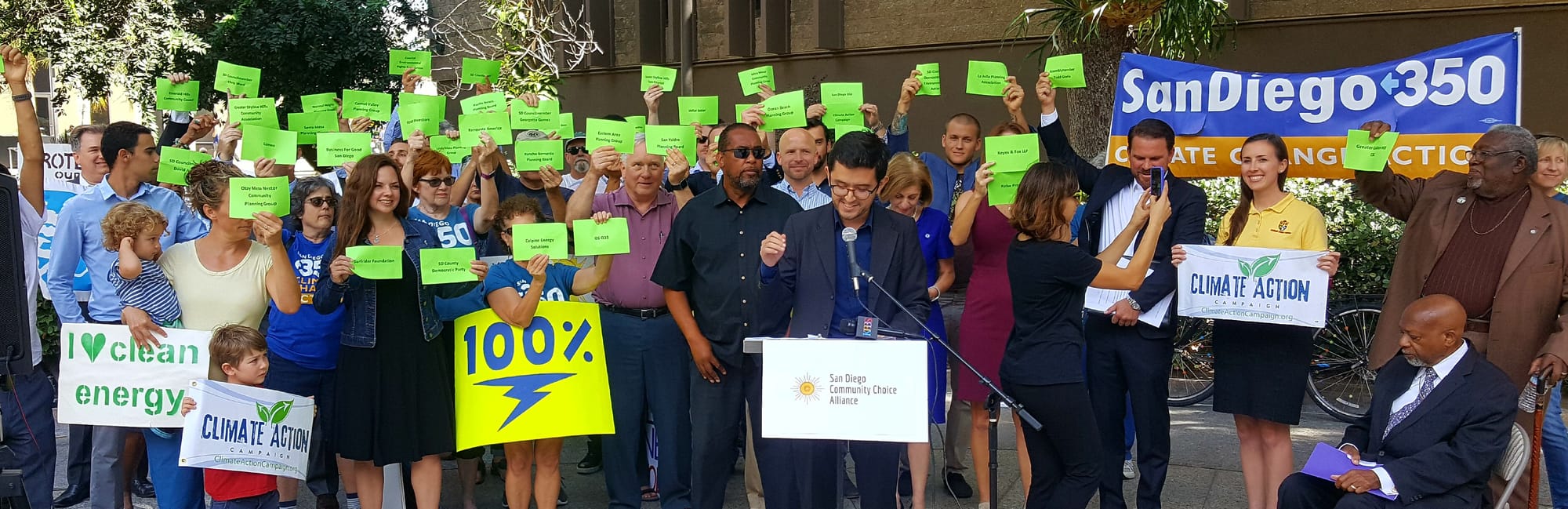
District 1 City Council member Barbara Bry spoke at the news conference saying, "I'm not ok with the status quo. I'm ready for change right here and right now in San Diego. San Diego's climate action plan commits to 100% renewable energy, and CCAs will play a big part in getting us to our goal."
SDCCA's stated mission is to "break up the SDG&E monopoly," give residents "more choices" and drive energy costs down.
Nicole Capretz, the Executive Director of the Climate Action Campaign didn't speak at the news conference but has noted, "Community Choice gives us the freedom to control our energy destiny–it’s the American way. Powering our lifestyle with clean energy gives us the freedom to enjoy clean air, create new jobs, grow our economy and reduce our carbon footprint.”
CLEAR THE AIR
Immediately following the SDCCA news conference, the Clear the Air coalition rolled out theirs.
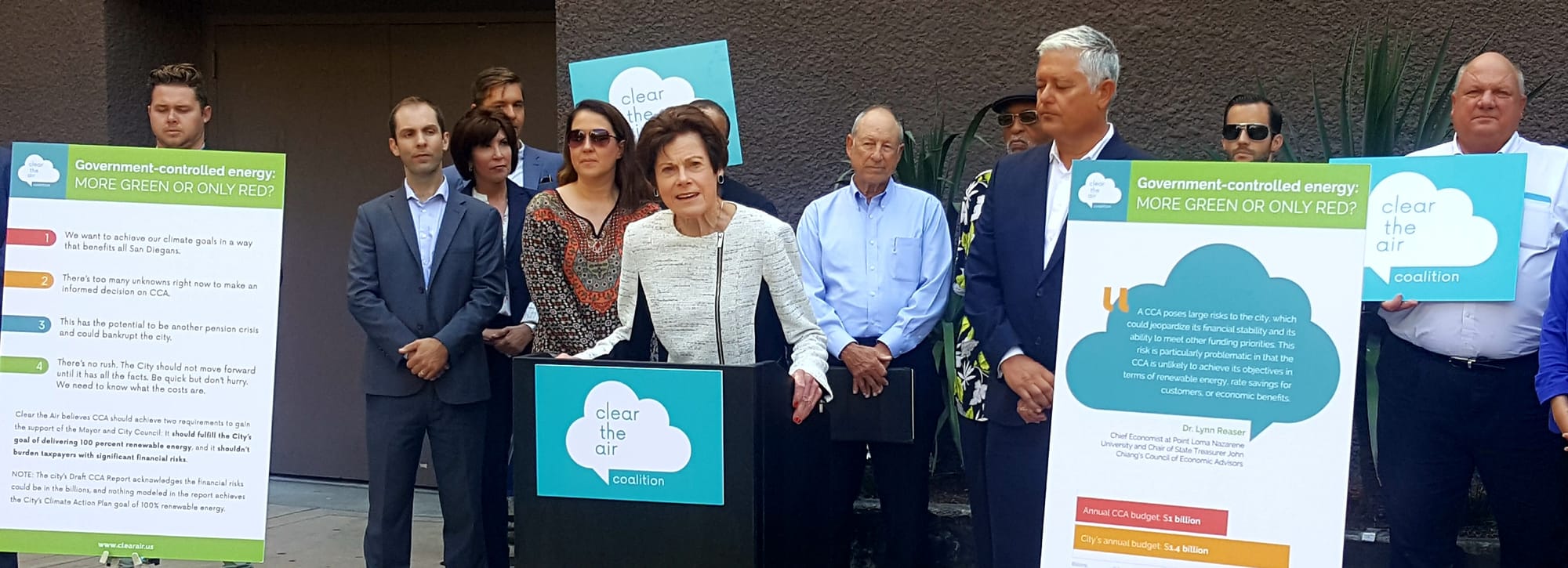
The Clear the air coalition is made up of concerned businesses including the San Diego Chamber of Commerce, Downtown San Diego Partnership and San Diego County Taxpayers Association.
The group says they aren't opposed to CCAs, just the manner in which they believe this is being rushed to residents without proper vetting. Business and community leaders have expressed big concerns related to the notion CCAs will drive down costs for the city and ratepayers. To the contrary, the group believes CCAs, as currently proposed, could mean huge cuts for other city services.
The group also disputes the claim that CCAs cut down on regional Greenhouse Gas (GHG) emissions. A study conducted by Point Loma Nazarene University highlights those concerns.
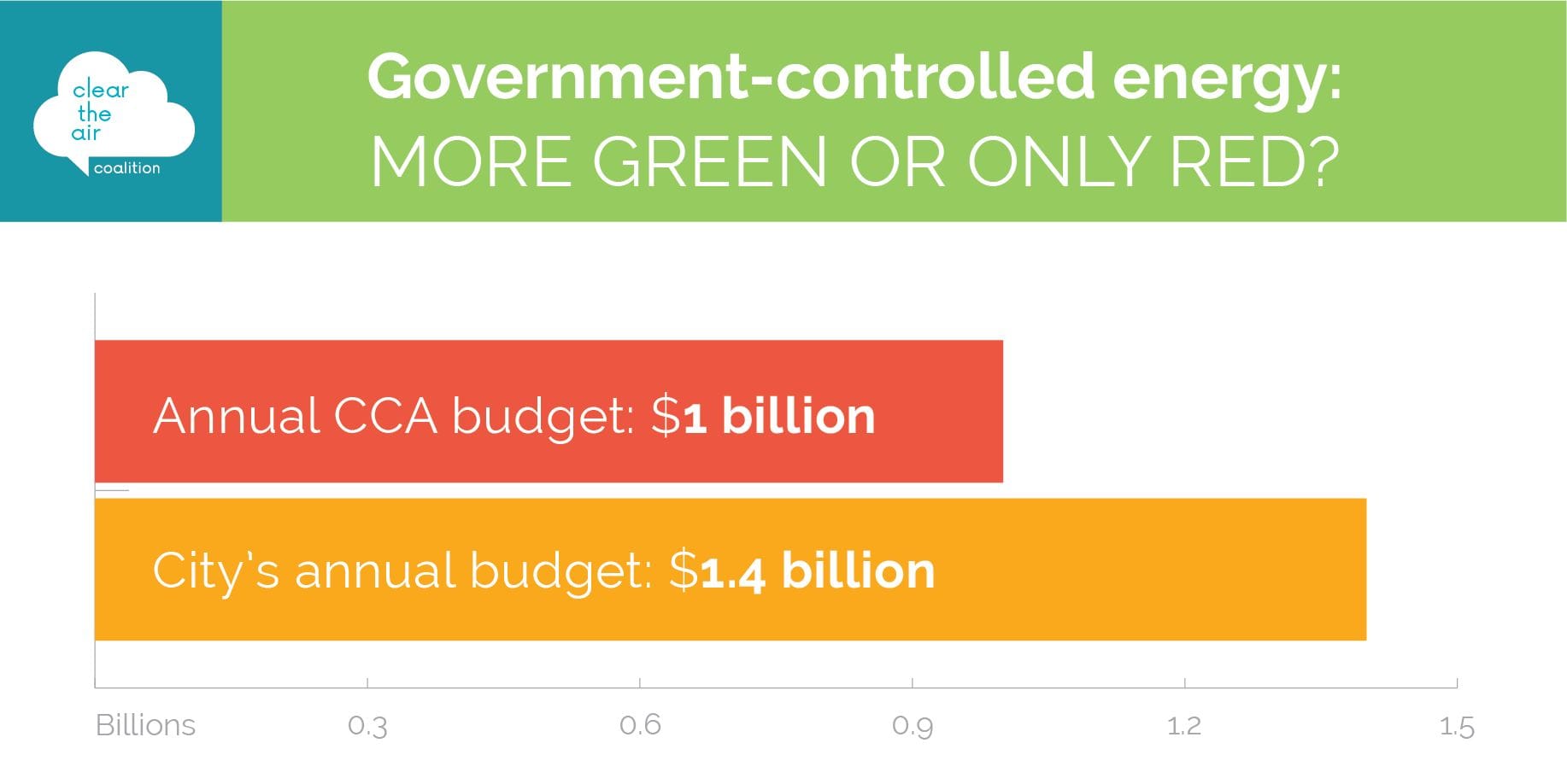
Dr. Lynn Reaser is the Chief economist at Point Loma Nazarene University. At the news conference Reaser said, "A CCA poses large risks to the city, which could jeopardize its financial stability and its ability to meet other funding priorities. This risk is particularly problematic in that the CCA is unlikely to achieve its objectives in terms of renewable energy, rate savings for customers, or economic benefits.
Dr. Reaser's point is illustrated in the campaign's twitter slide below.
CITY COUNCIL HEARS BOTH SIDES
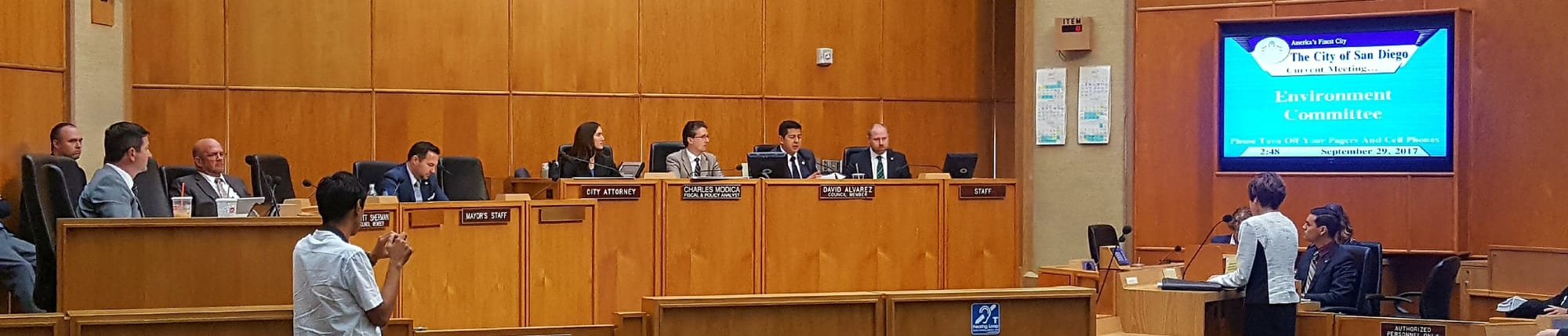
Each organization took their concerns to the City Council and delivered presentations.
In addition to the groups, the council also listened to a presentation from Scripps scientists who spoke about a recent study they published regarding sea level rise and their belief that climate change could dramatically impact the City of San Diego for the next generation.
That study kicked off the council's climate action plan discussion with the city's "Scope of CCA Feasibility Study." Of the city's findings:
- Residents would not be automatically opted into a CCA program,
- CCAs can present significant financial risks to the city, as the energy market and its prices are volatile,
- Competitive rates with SDG&E are possible,
- 100% renewable energy is not a reasonable goal for the foreseeable future with CCAs