10 Congressional Races Where Independent Voters Will Decide the Winner

From California's Central Valley to Alaska, the fight for control of Congress is unfolding in districts where neither major party can afford to ignore voters outside its base.
From California's Central Valley to Alaska, the fight for control of Congress is unfolding in districts where neither major party can afford to ignore voters outside its base.
Plus, DSA v. Dems in California and independent voters to decide Congress
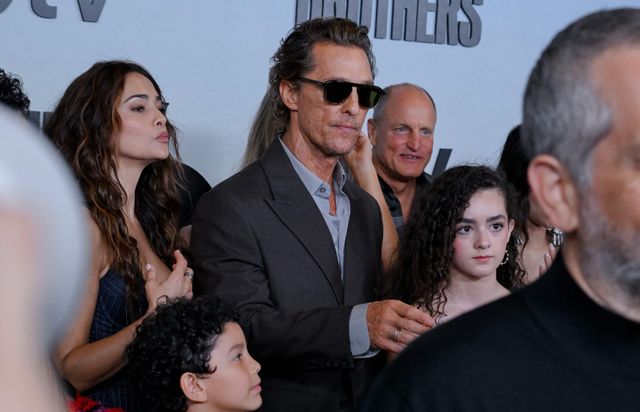
Plus, McConaughey goes public and a Senator puts closed primaries on blast
Plus: Gerrymandering backfires and veterans file voting rights lawsuit in NY.




Independent analysis of elections and reform, in your inbox every week.
IVN is nonpartisan and reader-supported. Your gift keeps it free for every voter.
DonateSee more of IVN in Google's Top Stories and AI answers. It takes one click.
Add IVN on Google
FairVote's analysis of 7,500 elections over 25 years found recounts changed the outcome just three times. Experts say recounts rarely help trailing candidates and often widen the margin in favor of the winner.


Conversations for voters who don’t fit the two-party box.
All episodes The Two-Party System CONTROLS Our Elections. It’s Time to FIGHT BACK (John Opdycke) | EP64
 California’s Election Will Be DECIDED by These Voters (NOT Who You Think) | EP63
 How Trump’s LA Bombing “Troll” EXPOSES Our Broken Elections (Politics Explained) | EP62
 The Veteran Suing New York for the Right to Vote (Paul Rieckhoff) | EP61
 Trump & Mamdani Agree on This One Issue (NOT What You Think) | EP60
 How California's Top-Two Primary Puts DSA vs. Democrats to the Test (Steve Peace) | EP59
 How Trump's Own Mail-In Voting Rule Could BACKFIRE on Republicans | EP58
 The Democratic Party Told Him To DROP OUT. He Said No. (Antonio Villaraigosa) | EP57
 The TRUTH About Trump’s New USPS Ballot Rule (It’s Complicated) | EP56
 From Bartender to Bush’s War Room & 50 Years in GOP Politics (Anne Dunsmore) | EP55

In Los Angeles's District 3, business owner Tim Gaspar and labor-backed Barri Worth Girvan compete in a Democrat-versus-Democrat runoff where independent and Republican voters could decide the outcome.


A new California poll shows Prop. 39 has a narrow lead among likely voters, but undecided voters—mostly Democrats—could swing the race either way. An analysis of who is undecided reveals the true state of close contests.

Early voters in South Dakota show support for independent Senate candidate Brian Bengs, while former Transportation Secretary Pete Buttigieg endorses an independent over a Democrat in Montana.