A ProPublica investigation into Susan Collins, a defense contractor and a super PAC, is the strongest case yet for the law that three out of four Mainers have already passed.
Every week, Unorganized Territory is talking to voters, with a special focus on the issues, emotions, perceptions and personal challenges shaping their views of the candidates in Maine’s U.S. Senate race, a crucial contest in the battle for control of Congress.
Susan Collins and Troy Jackson are flooding Maine’s airwaves with competing messages aimed at the voters who could decide one of the country’s closest Senate races.
Maine’s longtime Republican survivor has built her career on independence, local results, and crossover support. In 2026, Trump’s unpopularity, tariffs, and political chaos are making that formula harder to sustain.
Former Maine Republican Senate President Rick Bennett is running for governor as an independent, arguing that the two-party system itself is corrupt and a major cause of government dysfunction.
Maine Democrats nominated Troy Jackson for Senate after a rapid grassroots campaign mobilized delegates across the state. Now he faces incumbent Susan Collins in a race that polling shows is too close to call.
Maine and Washington, D.C. may still use ranked ballots, but Democrats would allocate delegates as though voters never ranked anyone beyond first place.
The Independent Voter Podcast explores Troy Jackson's rise as Maine's next senator, his independence from party leadership, and election integrity issues in California and New Jersey.
"Thank God you're running as an independent. This place is deeply broken and it needs fixing." The people closest to the machinery, he says, know best how failed it is.
This episode of the Independent Voter Podcast dives into the chaos surrounding the Maine Senate race after Graham Platner's withdrawal amid allegations and vetting failures.

 Cara Brown McCormick


 Jay Field

 Independent Voter Podcast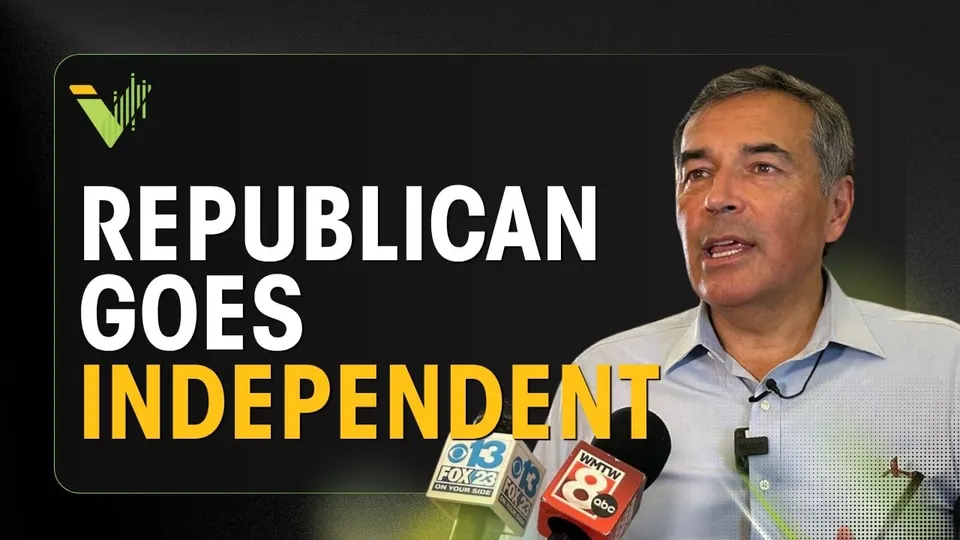


 Shawn Griffiths

 Matt Shinners