Chad, Ethan, and Cara sit down with political strategist Mike Madrid, author of The Latino Century, to unpack why Latino voters have become the fastest-growing bloc of independent voters in America.
Is this an effort to minimize the independent vote? It sure feels like it. It is already very difficult for independents to vote in the primary—this is just further muddying the waters.
This growing shift raises a fundamental question: Can a system designed by partisans for partisans remain legitimate when the country is going independent?
New polling finds most registered Democrats support letting independents vote in Democratic primaries — and nearly 4 in 10 say they only registered Democratic because New York City gives them no other meaningful choice.
The DC Council says open primaries are too expensive, but the city's budget shows the real issue isn’t the price tag — it’s whether independent voters are a priority.
1.2 million independent voters in New York City are shut out of primary elections, and in a very blue city like NYC, the primaries are the ONLY elections that matter.
Veterans carry a credibility that no party label can manufacture, and at a moment when nearly every institution has shed public trust, it is the one identity that still commands broad, cross-partisan respect.

 Independent Voter Podcast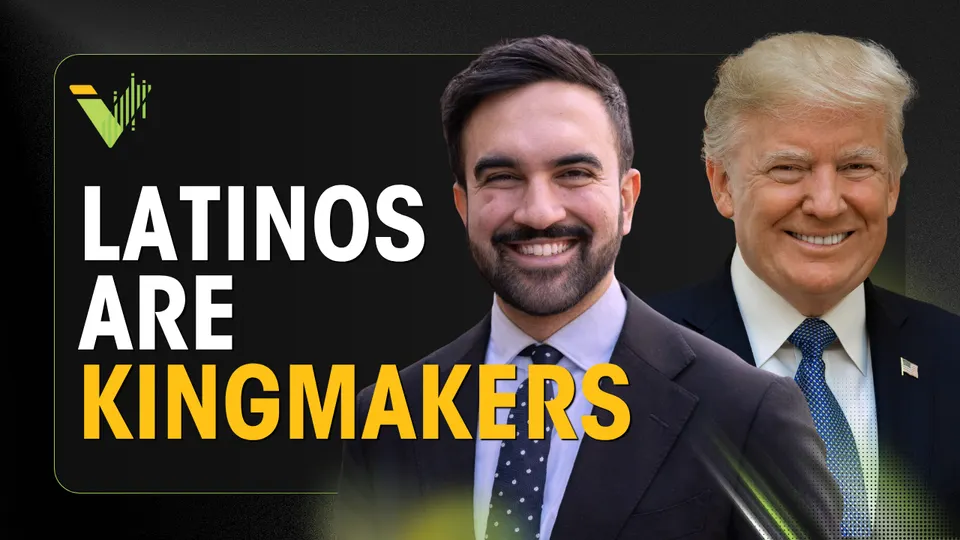


 Sherry Harrison
 Shawn Griffiths
 Jeremy Gruber
 Mike Madrid
 IVN Editorial Board
 Matt Shinners