The long-awaited ruling of The Patient Protection and Affordable Care Act known as "ObamaCare" will be announced this week. It was signed into law on March 23, 2010 by President Barack Obama as an answer to the health cost crisis in this country. But what does this law mean for small businesses? How will this affect the economy and employment?
As the law stands now, employers who have 50 or more employees are required to offer "government approved" health insurance for all full-time employees or face a $2000 fine for each uninsured employee after the first 30. If you don't work for a company that supplies healthcare coverage or work for yourself, you are required to purchase "government approved" health insurance and will also pay a fine for not doing so. In 2014 the fine will be $95 per uninsured adult per household and will increase to $325 in 2015 all the way to $695 in 2016.
As for the economy, this will most likely cause more problems with unemployment if the bill isn't overturned by the Supreme Court. This is due to the clause that mandates employers of 49 or more to pay for all full-time employees' health insurance. Take a company that is growing and wants to expand, but is just at the 49 threshold. It would either have to start paying for health insurance for full time employees or not expand. Thus thousands of jobs might not not be created by the private sector due to this law. Even if only one job was not created at each under 50 employee firm, there would be 4.5 million jobs not created.
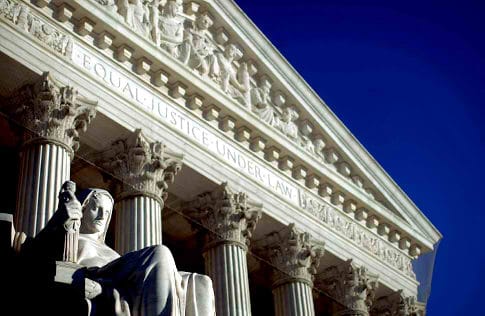
All these issues and more affect every single American and business. After this week things may be a little clearer as the Supreme Court will be announcing its ruling on the Constitutionality of the bill. All or parts of the bill may be struck down and after that we will know more. If only the individual mandate is deemed unconstitutional, then businesses still face the uncertainty of costs related to the bill and job seekers may face the likelihood of more outsourcing and a prolonged recession for the foreseeable future.