The San Diego Museum of Natural History, or simply "the Nat," is always showing exhibits of much intrigue and cultural relevance. One great thing about the museum is that exhibits run for quite a few months, in some cases even years, so planning a visit to one is not such a daunting task. The month of December will see several exhibitions at the Nat, and the following are some of the more popular that are currently on display.
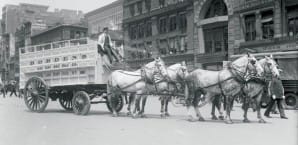
The Horse
This exhibit, which began on June 1, 2012 and ends on January 20, 2013 highlights the predator-prey relationship between humans and horses.
Since the domestication of these animals, roughly 6,000 years ago, human beings have populated nearly two hundred breeds of horses. Horses have been selectively bread for traits beneficial on the battlefield, farms, and for travel purposes.
The exhibit is showing equine artifacts, as well as a history of the relationship between man and beast. One of the oldest artifacts present at the exhibition is a bronze figurine depicting China’s legendary celestial horse from the Han dynasty, which is dated as early as second century BCE to the second century AD.
The Horse is organized by the American Museum of Natural History in New York in collaboration with the Abu Dhabi Authority for Culture and Heritage, in United Arab Emirates; the Canadian Museum of Civilization, Gatineau-Ottawa; The Field Museum, Chicago; and the San Diego Natural History Museum.
Chocolate
The Chocolate exhibit opened on October 12, 2012, and will continue until March 10, 2013.
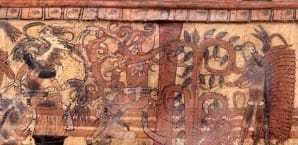
Chocolate looks historically at the use of the endorphin releasing substance, from a bitter drink of kings to the sweet treats it is used in today. The harvesting and growth of the cacao plant, found deep in the tropical rainforest is also explored in this exhibit, as a replica cacao tree helps visitor to learn of its history and uses.
Delving into the historical use of chocolate, the exhibit highlights the treats role in various historical respects, from the ancient Aztec and Maya, the Spanish introduction of chocolate in Europe, and its resulting outcome of the enslavement of many for its production, to chocolate's global market known today.
Chocolate does not only focus on the historical repercussions of the introduction of chocolate into modernity, but also provides some fun insight as its use as a medicine.
Some quirky facts about chocolate, according to the Nat's website:
- Although we tend to think of chocolate as a solid today, for 90% of its history it was consumed in liquid form.
- Chocolate contains two stimulants also found in coffee—caffeine and theobromine—but in relatively small amounts. Fifty M&M’s, for example, have about as much caffeine as a cup of decaffeinated coffee.
- Cacao seeds contain significant amounts of naturally occurring flavonoids, substances also found in red wine, green tea, and fruits and vegetables. Flavonoids are connected with a reduced risk of cardiovascular disease and some cancers.
- Americans consume an average of 12 pounds per person per year. In 2001, that came to a total of 3.3 billion pounds. That totals out to around $13 billion a year for the entire country.
Skulls
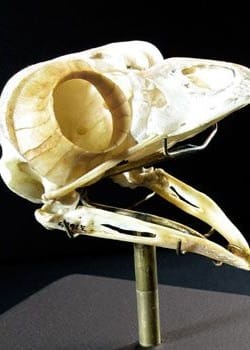
For this exhibit, the Nat looked back through their research collections and hand selected around two hundred of the "weirdest, wildest, and all-around most fascinating skulls." Showing from October 26, 2011 to October 26, 2015, Skulls takes a deeper look into the origin of species, highlighting the different aspects of natural design and research purposes.
As a caveat, visitors are in for quite the surprise. Since skulls are typically covered in flesh when found, a certain type of beetle is utilized in a natural flesh removal process. Just think of it as dropping a chicken bone into an ant hill, and that's the kind of affect that occurs.
Skulls featured on display range from mammals, birds, reptiles, and amphibians. Specifically, theNat has the more rare to exhibit, like rhinoceros, big horned sheep, and giraffe skulls.
Human fascination with skulls is surely the main draw to this exhibit. Though slightly morbid, it provides a glimpse into the classification and purpose of animal design, as well the differences that make them unique.
The San Diego Museum of Natural History is open from 10am-5pm, is closed on Thanksgiving and Christmas, and is located Natural at 1788 El Prado, Balboa Park.