 Shawn Griffiths
Eighteen U.S. cities and counties have used or are using ranked choice voting (RCV) in 2025 -- including the largest cities in three states: New York City (for its primaries only), Minneapolis, and Salt Lake City.
The reform – which allows voters to rank candidates in order of preference rather than choosing just one – continues to gain ground as voters, candidates, and election officials report smoother, fairer, and more representative elections.
RCV on the Ballot in 2025
According to a fact sheet released by the better elections group FairVote, 14 jurisdictions across seven states (CO, DE, MA, MN, NM, UT, and VA) are using RCV in their November general elections this year.
These include key mayoral races in Minneapolis, St. Paul, Santa Fe, and Fort Collins -- the latter using RCV for the first time.
FairVote notes that most cities report preliminary results within 24 hours, with the ranked tabulation itself taking only seconds. Where results take longer, it’s typically because local officials wait to include late-arriving ballots before running the RCV tally.
Where RCV Will Be Used on Election Day 2025
Colorado
- Fort Collins (first use)
Delaware
- Arden
Massachusetts
- Cambridge
- Easthampton
Minnesota
- Minneapolis
- St. Paul
- Bloomington
- Minnetonka
- St. Louis Park
New Mexico
- Santa Fe
- Las Cruces
Utah
- Salt Lake City
- Midvale
Virginia
- Arlington County
RCV in NYC Remains Popular with Voters
Earlier in 2025, New York City held its mayoral and city council primaries under RCV -- and the numbers speak to RCV's continued popularity in the city:
- 78% of voters ranked multiple candidates.
- 96% said their ballot was easy to complete.
- The city recorded its highest turnout since 1989.
Candidates engaged in positive, coalition-building campaigns, often cross-endorsing one another, which RCV advocates say is an approach made possible by the reform's incentive to reach beyond one’s base.
The system has also helped broaden representation: New York’s first majority-women city council, elected under RCV in 2021, is poised to maintain its composition this year.
Notably, the general election still uses traditional, winner-take-all voting -- a format now drawing criticism amid “spoiler” accusations and calls for reform. Expanding RCV to general elections, reformers argue, would end strategic withdrawals (like Mayor Eric Adams dropping out) and wasted votes.
New Adoptions in 2025
Several communities are joining the RCV movement this year:
- In Greenbelt, Maryland, voters will decide on an advisory measure on adopting RCV.
- Skokie, Illinois voted in April to adopt RCV, joining nearby Evanston and Oak Park.
- In Washington, D.C., the City Council voted in July to fund implementation after voters approved RCV in 2024 by a 3-to-1 margin, with supermajority support in all eight wards. The council refused to provide funding for the open primaries proposal also attached to the 2024 initiative passed by voters.
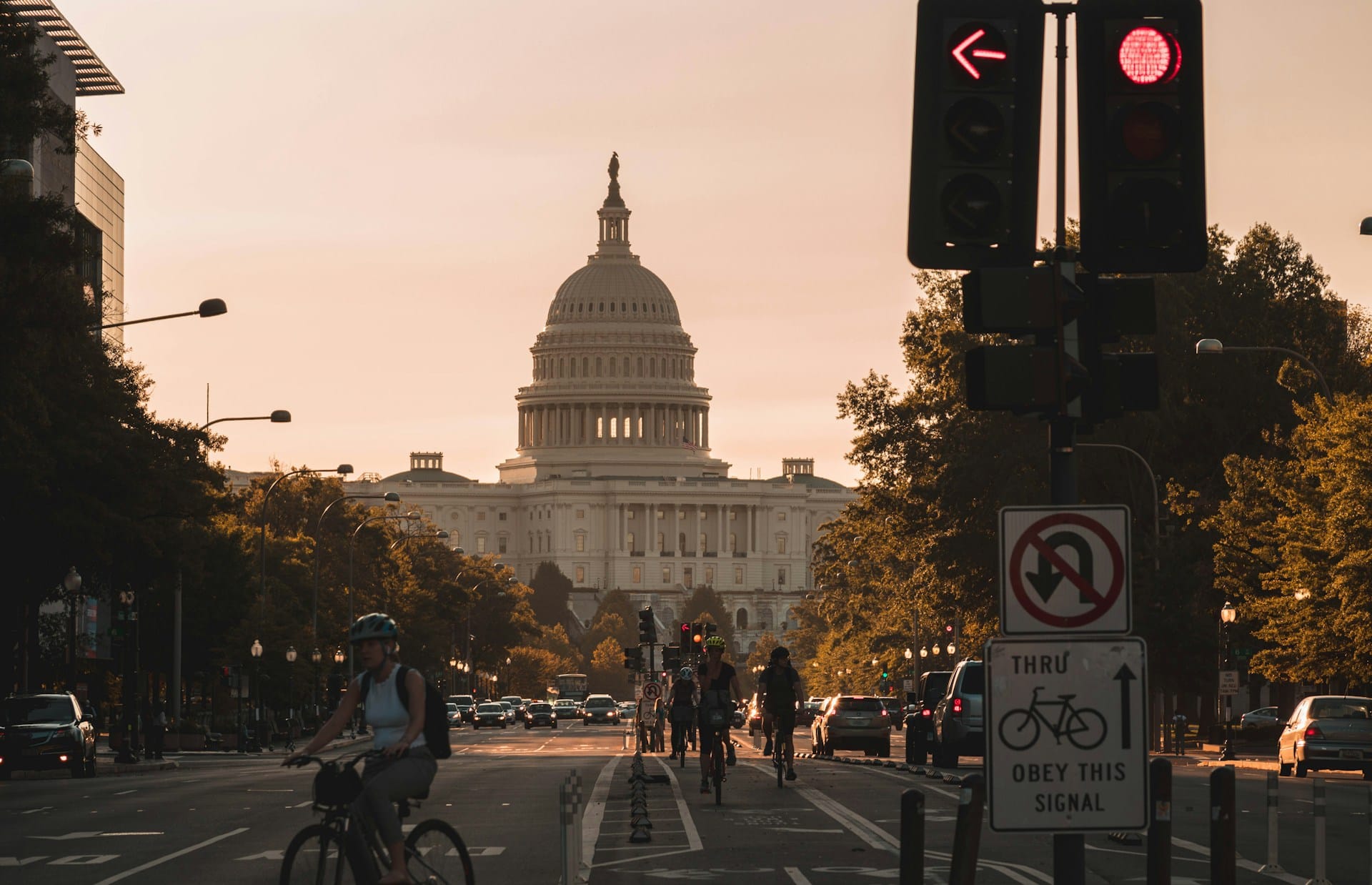
Together, these adoptions reflect the steady spread of ranked choice voting beyond early adopters like San Francisco and Maine.
Research Confirms: RCV Is Working
Years of data from across the country now back up RCV’s early promises:
- Campaigns are less negative, and candidates reach out to more voters.
- Women and candidates of color are running and winning at higher rates.
- Voters overwhelmingly report understanding and liking ranked ballots.
In short: the more voters use it, the more they want to keep it.
The 18 jurisdictions using RCV in 2025 are only a sample of the total cities, counties, and states that use the reform. In fact, the number of cities has increased from 10 in 2016 to 50 jurisdictions serving 17 million Americans today.
RCV has grown into a national reform movement. It is now used in the most populous cities of seven states, a milestone that underscores its mainstream acceptance.
In its report, FairVote concludes that RCV is delivering real benefits: elections that reflect majority will, more diverse representation, and campaigns that bring voters together rather than drive them apart.