Independent Voter Podcast
Eric Swalwell went from Democratic frontrunner in the California governor's race to political exile in a matter of days - and somehow nobody in Washington is surprised. Chad, Shawn, and Ethan break down why this "open secret" finally went public and who's really pulling the strings. Then, the conversation shifts to who benefits in a wide-open governor's race, why IVP's nonpartisan poll is the only one without a dog in the fight, and Trump's attack on Alaska's ranked choice voting system.
This episode is sponsored by the Independent Voter Project and produced by Olas Media. Listen on Spotify or Apple Podcasts.
Episode Highlights
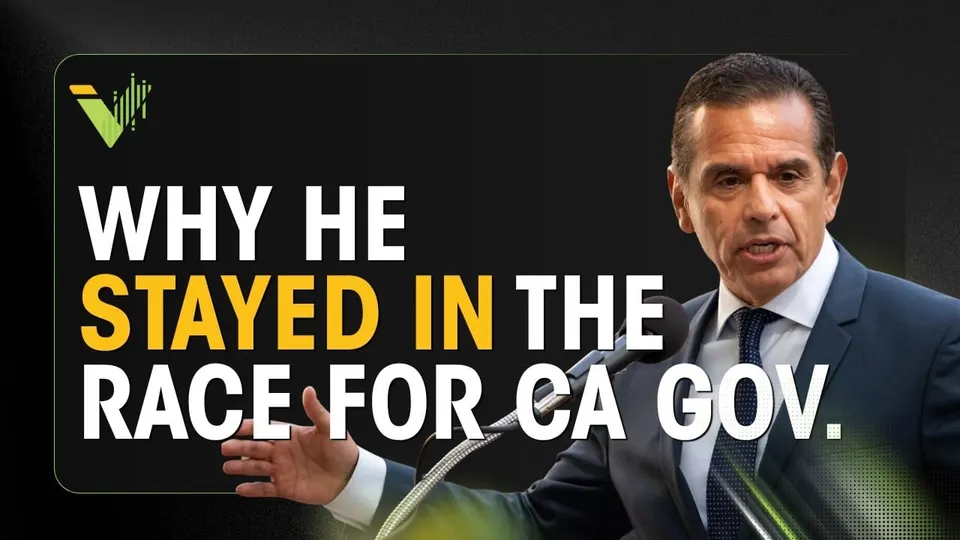
On this episode of Independent Voter Project, Chad, Ethan, and Shawn, dive straight into the political shakeup surrounding Eric Swalwell's resignation from the 2026 California governor's race, calling it a defining inflection point in the state's political landscape.
They break down how what was long considered an open secret in Washington – involving serious sexual misconduct allegations and prior ties to a Chinese spy – finally became public just weeks before ballots drop. It raises questions about political accountability, party corruption, and whether Democratic Party insiders or rival candidates may have strategically leaked opposition research to gain a competitive edge.
With Swalwell out, our hosts break down the polling data in the governor’s race, noting a surge for Tom Steyer and renewed momentum for Xavier Becerra and Matt Mahan among No Party Preference voters.
The conversation then touches briefly on possible bipartisan deal-making between House Republicans and Democrats around congressional expulsion votes. This includes the simultaneous exit of Texas Republican Tony Gonzalez. The whole ordeal highlights a broken two-party system that prioritizes institutional self-preservation over voter rights and government transparency.
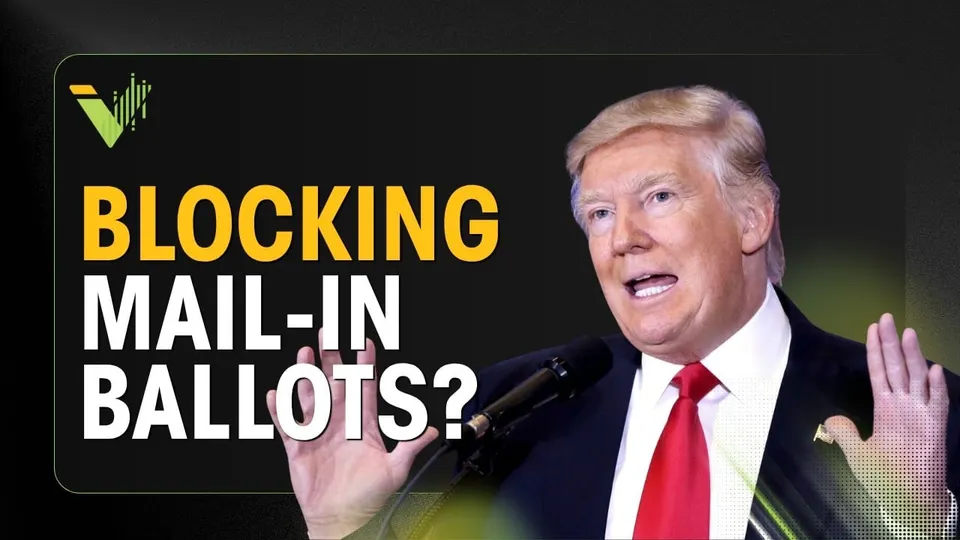
The episode broadens into a discussion on nonpartisan election reform, ranked choice voting, and open primaries as antidotes to America's deepening political polarization. We critique Donald Trump's attack on Alaska's Top Four ranked-choice system as intellectually dishonest, warn that both parties will unite to kill electoral reform the moment it threatens their grip on power, and highlight grassroots efforts by groups like Unite New York advocating for ballot access reform and independent voter rights.
The takeaway: systemic change requires building popular support beyond partisan divides – and staying focused on long-term democratic reform regardless of today's election headlines.

 Righteous Media