
 Jeremy Gruber
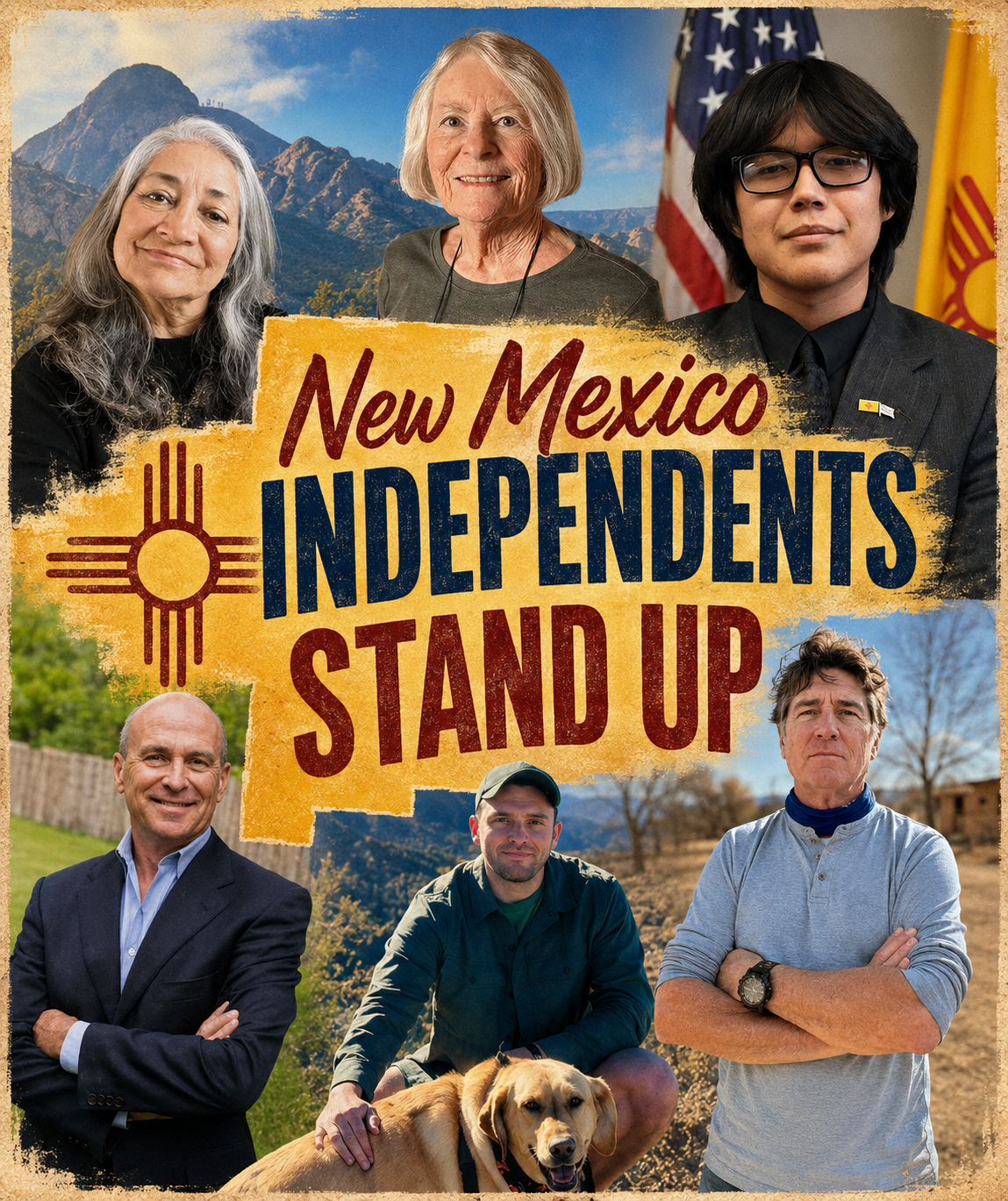
New Mexico's first-ever open primary was a success.
Topline: Early turnout figures show approximately 11% of independent voters participated in the primary this week, a meaningful step forward for voters who have been locked out of participation in taxpayer-funded primaries for generations.
Even more impressive, this turnout occurred despite virtually no government public education campaign to inform independents of their new voting rights and despite inaccurate information remaining on some county clerk websites through Election Day. Independent voter turnout drove overall voter turnout in the primary to its second highest level in state history.
There’s still much work to do:
- Independent voter turnout was 50% less than partisan voter turnout. That’s likely to change with more election cycles. But most Americans (D/R/I) have been educated that voting in November is what’s important; primaries are for the diehards. We have to change this mindset in New Mexico and nationally.
- We need to pressure the New Mexico election authorities to do their jobs and educate the public - particularly independents - that they have the right to vote in primaries.
The message from this first primary, though, was strong: New Mexico independents were never apathetic. They were excluded.
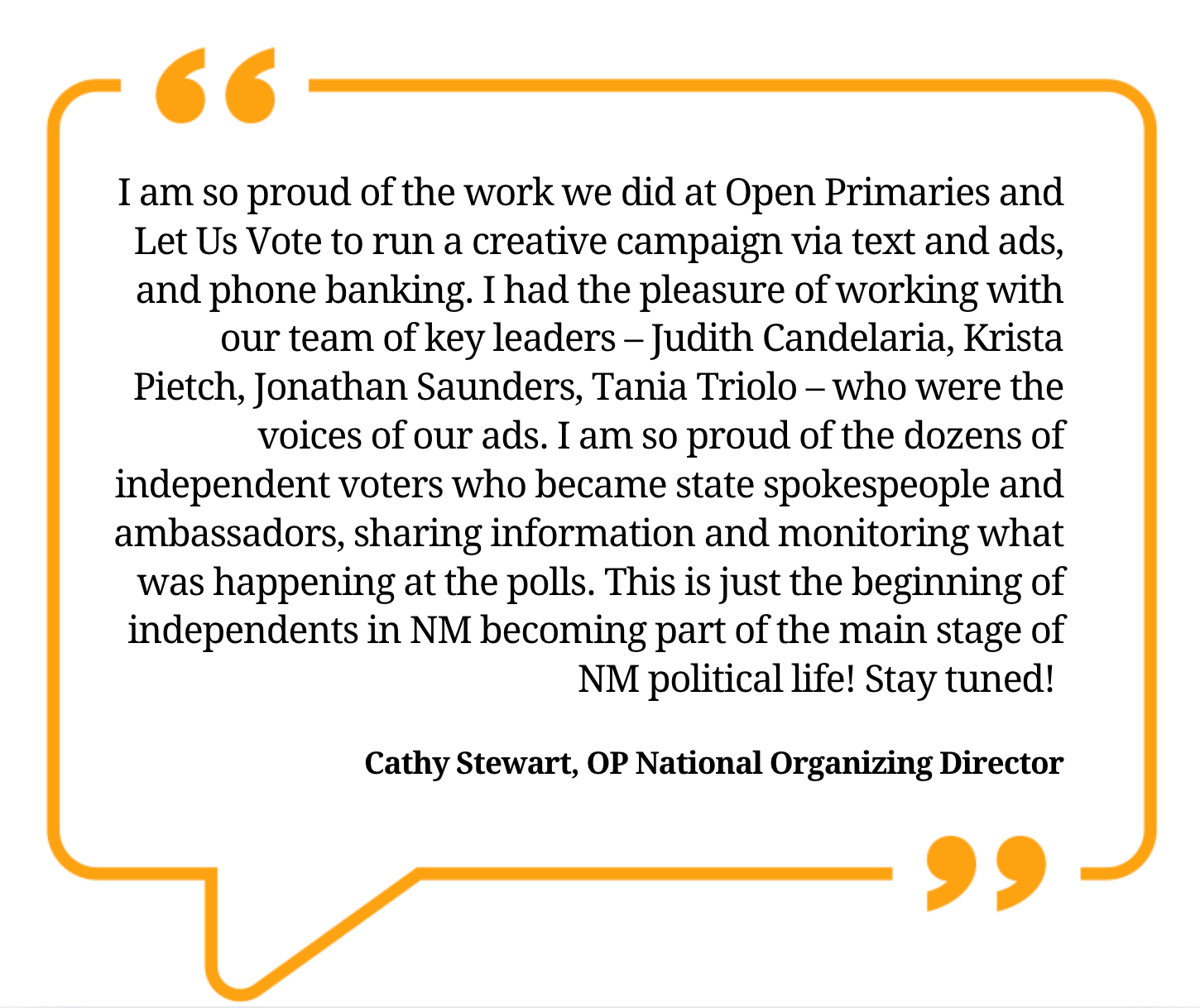
This breakthrough is also a testament to the advocates and volunteers who stepped in where government officials fell short. Both Open Primaries and NM Voters First worked to fill in the gaps left by the SOS. OP’s first in the nation independent-to-independent GOTV campaign’s results speak for themselves:
- Our voter outreach campaign generated more than 4.7 million impressions and reached 840,000 New Mexicans—more than one-third of the state's population. More than 10,700 voters clicked through to the New Mexico Let Us Vote website.
- More than 1 million people watched one of our videos from start to finish across Facebook, Instagram, YouTube, and streaming television platforms.
- Traffic to the New Mexico Let Us Vote website increased by nearly 9,000% during the campaign.
- More than three dozen volunteers participated in phone banks to personally contact independent voters across the state.
- Thirty-three independent voters served as poll monitors during early voting and on Primary Day.
- Sixty-six Independent Ambassadors shared information through their social networks and directly engaged friends, family, and community members.
Open Primaries also partnered with Source NM to expose a major implementation failure: nearly two-thirds of county clerk websites failed to inform independents of their new voting rights. The story became front-page news across the state and helped drive public awareness at a critical moment.
Check out Open Primaries’ National Organizing Director Cathy Stewart as she breaks it all down in the NM press on NPR and KSFR.
What We're Talking About
The Top Two Panic Wasn’t Analysis. It Was Political Manipulation.
For nearly a year, California's political establishment has been gripped by a collective panic attack.
Consultants warned of catastrophe. Pundits predicted disaster. Party insiders declared that the state's Top Two primary system was about to produce an electoral apocalypse. The theory was simple: California's open primary would hand the governor's race to Republicans and expose the fatal flaws of letting all voters participate.
Then the voters showed up.
 Independent Voter Podcast
And in a single election, they shattered one of the political class's favorite myths.
What unfolded on Tuesday was more than a primary election—it was a rejection of the endless fearmongering surrounding open primaries. California voters demonstrated that they are far more sophisticated than the “experts” who spend their careers trying to predict them. They rejected simplistic partisan narratives, expressed frustration with the status quo, and produced an outcome that reflected the complexity of the state's electorate.
The lesson is unmistakable: the biggest failure on display this year wasn't California's Top Two system. It was the political industry that spent months confidently predicting its collapse.
Read Open Primaries’ full statement on the California primary here.
A Note from Cathy Stewart
Operation Independent 2026 — Reporting from New Jersey
June 2nd Primary Day in New Jersey exposed a stark reality: in one of only 12 fully closed primary states, 2.4 million independent voters-36% of the electorate-were shut out of publicly funded elections.
While other states move toward broader participation, New Jersey remains frozen. Yet independents are growing fastest. From May to June alone, independent registration rose by 24,000-far outpacing both major parties (Democrats +4,000; Republicans flat).
Across the state, Independents4NJ is documenting what exclusion looks like in real time. Founder Sue Davies and independent leader Andrea Lekberg-who ran for mayor in 2025 and is out with a great new oped-highlight a simple truth: democracy weakens when a growing share of voters is locked out of the process they help fund.
On Primary Day, activists across eight counties—from Jersey City to Burlington—stood outside polling places, speaking with voters surprised to learn they could not cast a ballot. Ten activists produced video testimonials capturing that experience of exclusion across communities.
From Neptune, Juanda Hall describes what disenfranchisement feels like as an African American independent voter. From Plainfield, Will Batzle calls closed primaries “nonsense.” Others across the state, including Sue Davies and Chris White, echo the same message: if elections are public, participation should be too.
Be sure to check out what Emilie Knoerzer, Tara Murphy, Chris White, and Javier Luque have to say at Independents4NJ. Please like videos, share them and spread the word – Let Us Vote!
What We're Reading
Congress Has a Primary Election Problem
As competitive congressional districts disappear, primary elections are increasingly deciding who serves in Congress. And in much of the country, those elections are controlled by partisan voters, party insiders, and ideological activists.
A major new NPR report spotlights what Open Primaries and reform advocates have warned for years: closed primaries and partisan gerrymandering are creating a system that punishes independent thinking and rewards ideological conformity.
Current and former elected officials from across the political spectrum are sounding the alarm. From Pennsylvania Congressman Brian Fitzpatrick to Alaska Senator Lisa Murkowski and Louisiana Senator Bill Cassidy, lawmakers are increasingly acknowledging that closed primary systems make it harder to compromise, govern, and represent all constituents.
As Open Primaries President John Opdycke told NPR, the parties have spent years gerrymandering districts into non-competitive territory. Now, many are turning their attention to closing primaries and further restricting voter participation.
The result? More polarization, fewer competitive elections, and millions of independent voters shut out of publicly funded elections.
The good news is that the debate is finally moving into the mainstream. What was once considered a fringe reform issue is now being discussed as a central challenge facing American democracy-and a growing number of leaders are recognizing that opening our primaries is essential to fixing it.
Campaign Updates
Big Win for D.C. Voters-Now Fund the Primaries
Congratulations to Lisa Rice, Grow Democracy DC, Campaign Legal Center, and the thousands of District voters who fought to pass Initiative 83.
In a major victory for voter rights, a D.C. court has rejected partisan legal attacks on Initiative 83, affirming the legality of the voter-approved measure that established ranked-choice voting and open primaries in the District. The ruling protects the will of the more than 72% of D.C. voters who supported the reform at the ballot box.
But the fight isn't over.
While ranked-choice voting is already being implemented and will be used in this month's primary elections, the District's semi-open primary provisions remain stalled because the D.C. Council has refused to fund them. As a result, approximately 85,000 independent voters continue to be excluded from the District's taxpayer-funded partisan primaries.
The courts have spoken. The voters have spoken. It's time for the D.C. Council to do its job and fully implement Initiative 83 so every voter—not just party members—can participate in the elections that decide the District's future.
Oklahoma’s Fight Isn’t Over
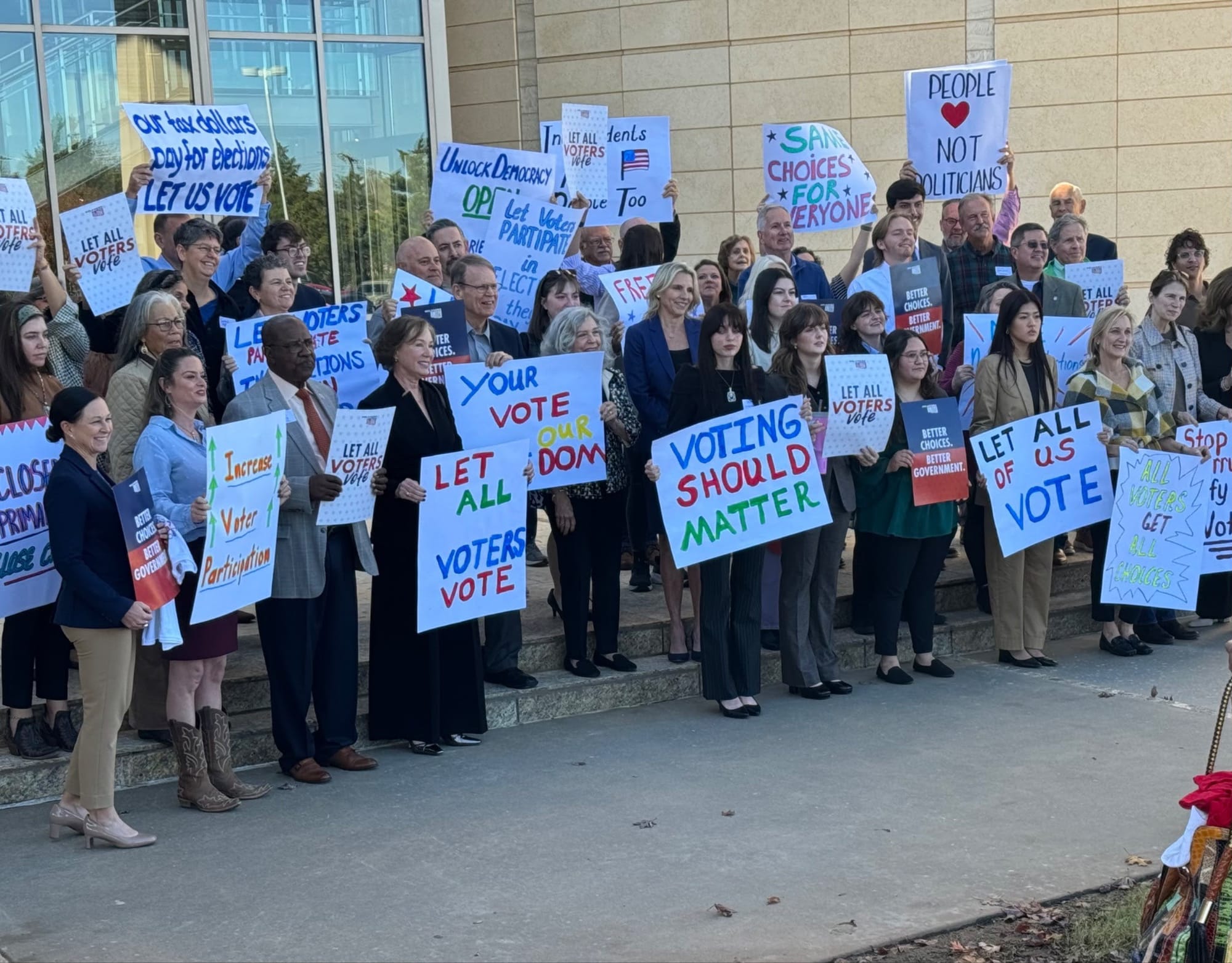
Just when it looked like Oklahoma's historic effort to bring nonpartisan primaries to the state had fallen short, the battle has taken an unexpected turn.
A new challenge before the Oklahoma Supreme Court argues that more than 57,000 petition signatures supporting State Question 836 may have been improperly rejected by an automated verification system. The lawsuit doesn't challenge the initiative—it challenges the state's counting process itself.
The odds of SQ836 making the 2026 ballot remain slim. But the stakes are much bigger than a single election. At issue is whether bureaucratic rules and machine algorithms can override the signatures of tens of thousands of real voters.
The question before the Court is simple: when more than 209,000 Oklahomans sign a petition, who should decide whether their voices count—the people or the machine?
The Oregonian Calls for Open Primaries to Let All Voters Vote
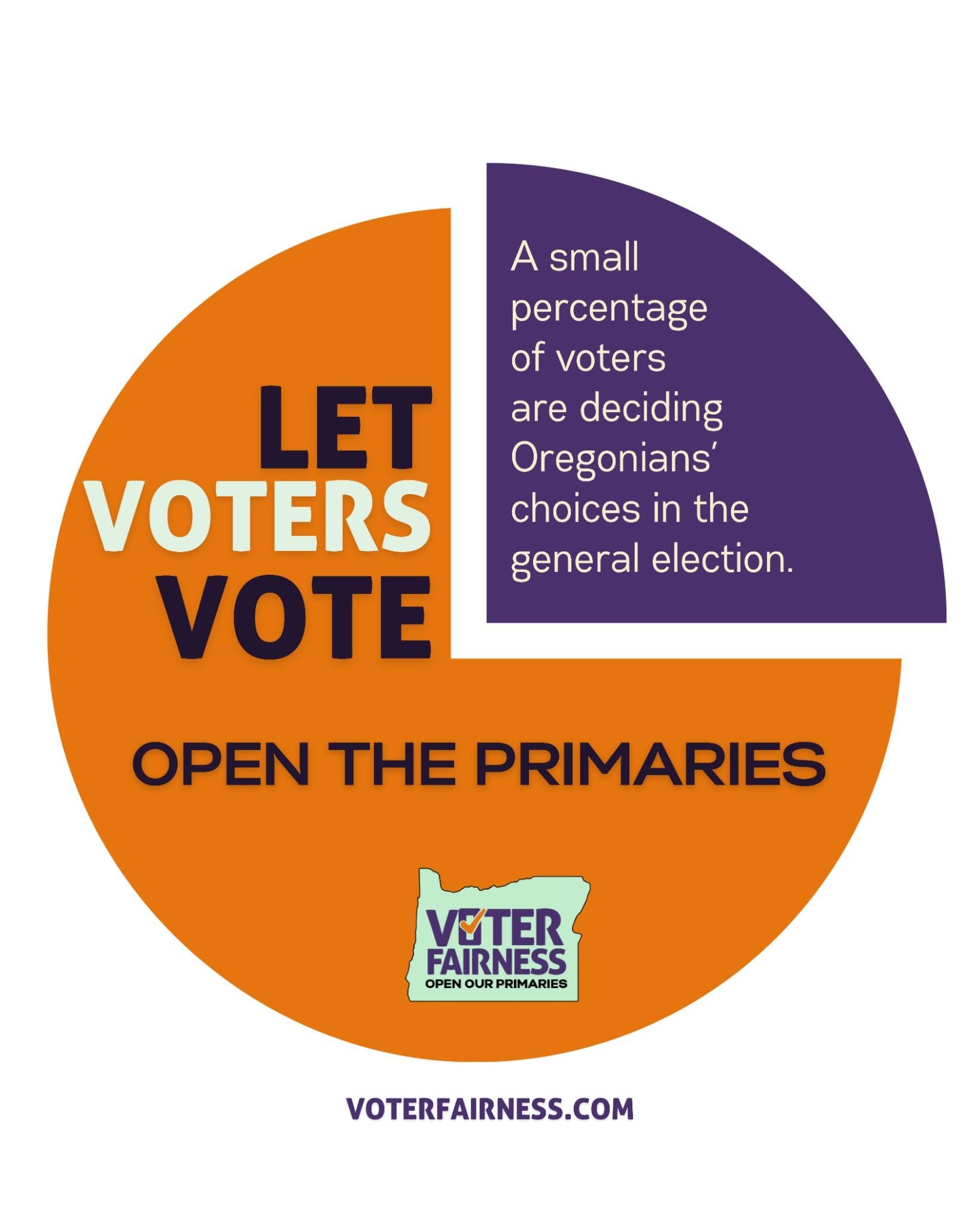
Oregon’s largest paper is calling for open primaries, pointing out a basic democratic imbalance—more than 1.1 million independent Oregonians now make up the state’s largest voting bloc, yet they are shut out of taxpayer-funded primary elections.
A recent ballot measure effort was effectively stalled after state officials issued a misleading title that obscured its central purpose: allowing independents to vote.
The editorial is blunt in its conclusion: Oregon should finally bring forward legislation in 2027 to open its primaries and restore real competition and voter participation-and “end the hypocrisy.”
Voter Fairness is escalating its efforts to ensure every Oregon voter can participate in primaries ahead of 2027 and 2028. Please sign up at voterfairness.com for updates moving forward.
ICYMI
CNN’s Smerconish Says the Quiet Part Out Loud
Last week, Michael Smerconish used his CNN opening monologue to take direct aim at closed partisan primaries and the exclusion of independent voters. Pointing to the defeats and political vulnerability of figures like Bill Cassidy, Thomas Massie, and even the future risks facing John Fetterman, Smerconish argued that America’s primary system is rewarding ideological loyalty over broad public support. But he went even further, questioning why taxpayers are funding a system of elections that excludes millions. It was a powerful moment for the open primaries movement. Check it out:
Following the segment, Smerconish sat down with Open Primaries Senior Vice President Jeremy Gruber for a wide-ranging conversation on voter exclusion, political polarization, and why the fight to open America’s elections is rapidly becoming one of the defining democracy issues in the country. Check it out: