Independent Voter Podcast
Cara McCormick and Shawn Griffiths break down the manufactured "jungle primary" panic out of California (there's roughly an 8% chance of a two-Republican general), then get into Alaska's Top Four success story, Wes Moore's surprise open-primary moment on Bill Maher and the awkward walk back that followed, and a Supreme Court bombshell out of Louisiana that just got an entire election canceled. Chad Peace jumps in to explain why the courts police racial gerrymandering but won't touch partisan gerrymandering - and what that means for independent voters.
Episode Highlights
In this episode of the Independent Voter Podcast, Cara and Shawn break down the high-stakes 2026 California governor's race, dissecting the latest nonpartisan primary debate and what it means for election reform heading into the 2026 midterm elections.
With mail-in ballots out, the conversation zeroes in on the Top Two primary system – and whether the Democratic Party's “two-Republican panic” is a legitimate concern or pure voter turnout strategy. Spoiler: the math says it's almost certainly the latter.
 Shawn Griffiths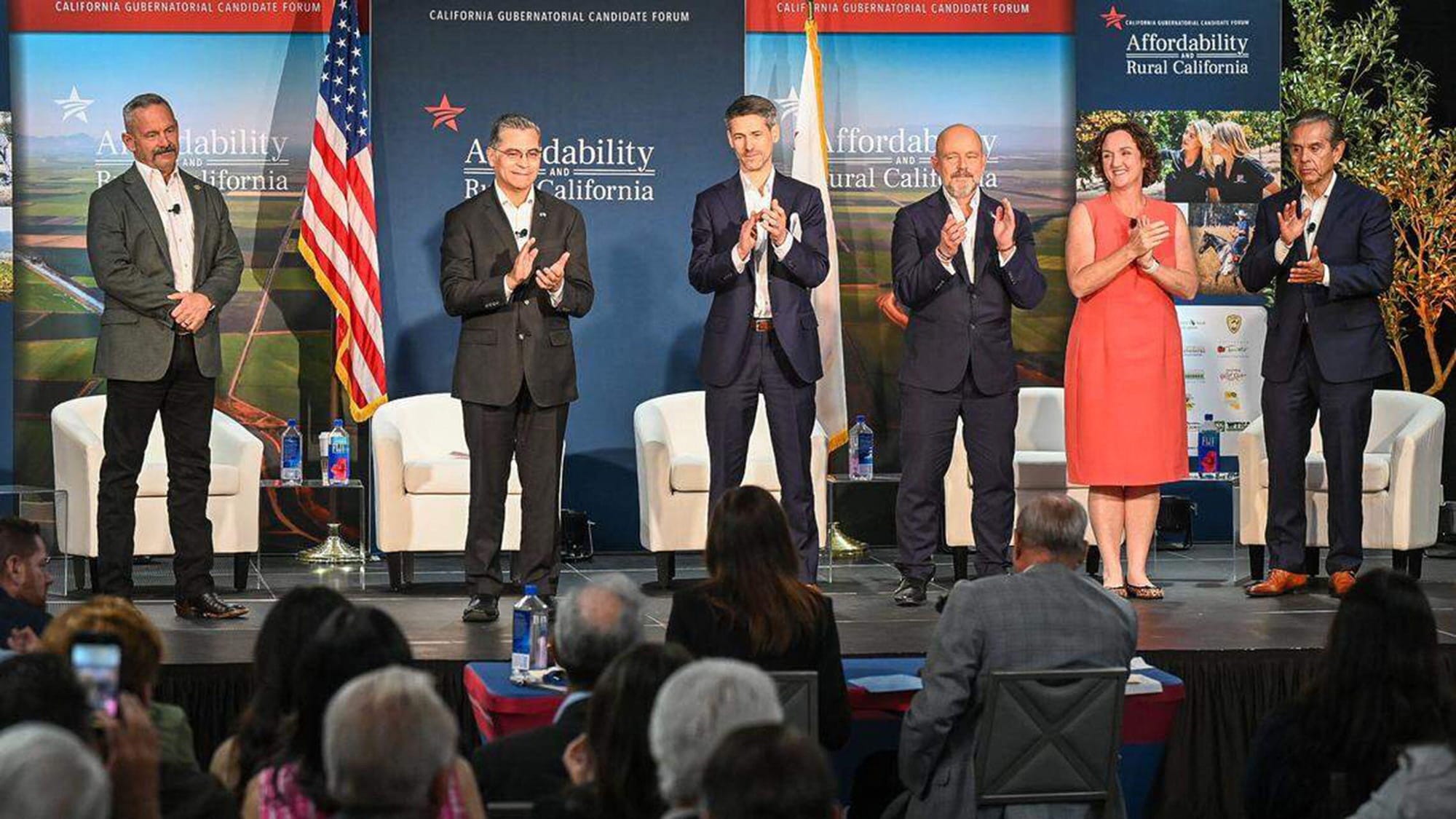
Polling from the Independent Voter Project shows Democrat Xavier Becerra surging into the frontrunner spot after the field thinned, while Republican Steve Hilton is benefiting slightly with a Trump endorsement to keep him in the top two.
The hosts dig deep into the nationwide push for open primaries and election reform, spotlighting Maryland Governor Wes Moore's appearance on Real Time with Bill Maher, where he criticized closed primaries for locking out the roughly 45% of Americans who self-identify as independent voters.
Moore's comments electrified the election reform community and open primaries advocates, only for his office to walk them back the next day.
Shawn Griffiths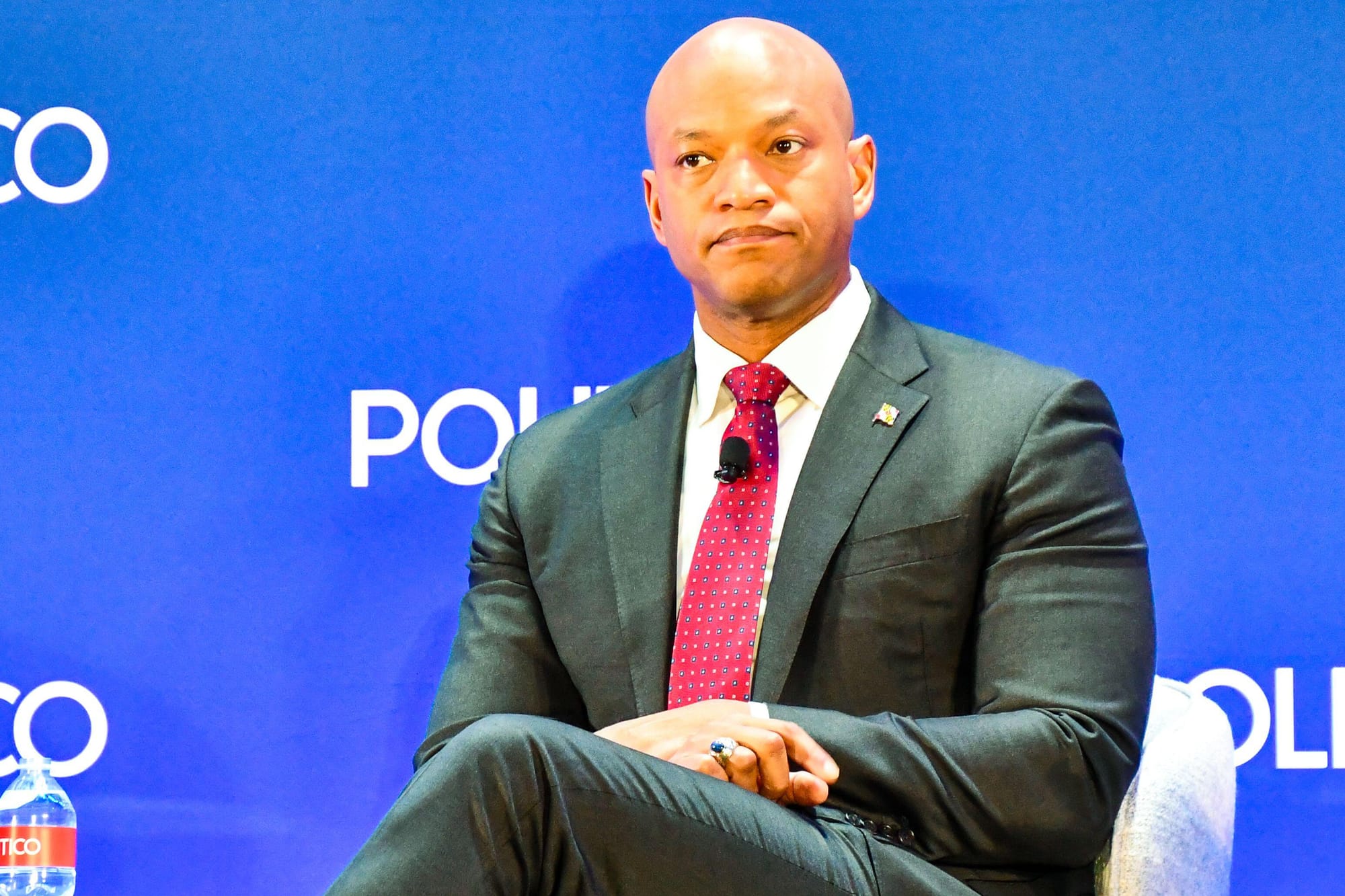
Cara and Shawn argue that reform can't survive on half-measures. Politicians who privately support independent voter rights and voting rights reform but bow to party leadership are a major obstacle to structural change.
Chad Peace then joins in to close out the episode with a timely discussion on gerrymandering, racial and partisan redistricting, and voting rights after the Supreme Court's ruling on Louisiana's congressional map and the governor's stunning decision to cancel a scheduled election in response.
Peace explains how partisan gerrymandering – left largely unchecked by the courts – continues to make 92% of US House races non-competitive, effectively disenfranchising millions and fueling political polarization.
The deeper constitutional question – whether citizenship alone should guarantee the right to vote in taxpayer-funded primary elections, regardless of party affiliation – is the defining democracy issue of the 2026 cycle and beyond.
With tens of millions of views on their recent social content, the Independent Voter Project is clearly tapping into a massive, underserved appetite for this conversation.