SCOTUS Unanimously Rules That Every Citizen Deserves Equal Representation, Not Just Voters

 Gabriel Saint Cyr
In a unanimous 8-0 decision Monday, the Supreme Court upheld the constitutional principle of “one person, one vote,” meaning that Texas will continue to count the total population – rather than just the eligible voting population – in drawing their legislative districts.
The plaintiffs in Evenwel v. Abbott, backed by a conservative advocacy group, contended that Texas' State Senate districts are malapportioned. Plaintiffs said that when the Supreme Court established the principle of “one person, one vote” in 1963, it failed to specify whether a “person” should mean anyone or specifically an eligible voter. As long as anyone counted as a “person” for the purposes of redistricting, the plaintiffs argued, Texans who lived in districts with large numbers of people ineligible to vote ended up with more representative power than those who didn't.
Monday's ruling maintained the status quo that “person” means anyone, not just voters. In her majority opinion, Justice Ginsburg wrote that “nonvoters have an important stake in many policy debates.” She argued that public institutions and services still help and affect many groups who don't vote, such as children and ex-felons. Therefore, using total population numbers when designing legislative districts ensures fairer representation.
A decision in favor of the plaintiffs could have potentially shifted voting power in Texas away from Democratic-leaning urban areas with high immigrant populations toward Republican rural and suburban areas. Democrats and civil rights groups were afraid that the court was ready to deliver another blow to voting rights after the 2013 decision that weakened the Voting Rights Act.
But though liberals will no doubt see Evenwel v. Abbott's result as a victory, the outcome wasn't as clear-cut as the unanimous 8-0 vote would imply. While the court sided with the status quo in this specific case, it stopped short of issuing a definitive ruling. Justice Thomas in particular wrote that “the Constitution leaves the choice to the people alone — not to this court,” leaving the door open for future legal challenges and for state legislators to try and change redistricting policies on their own.
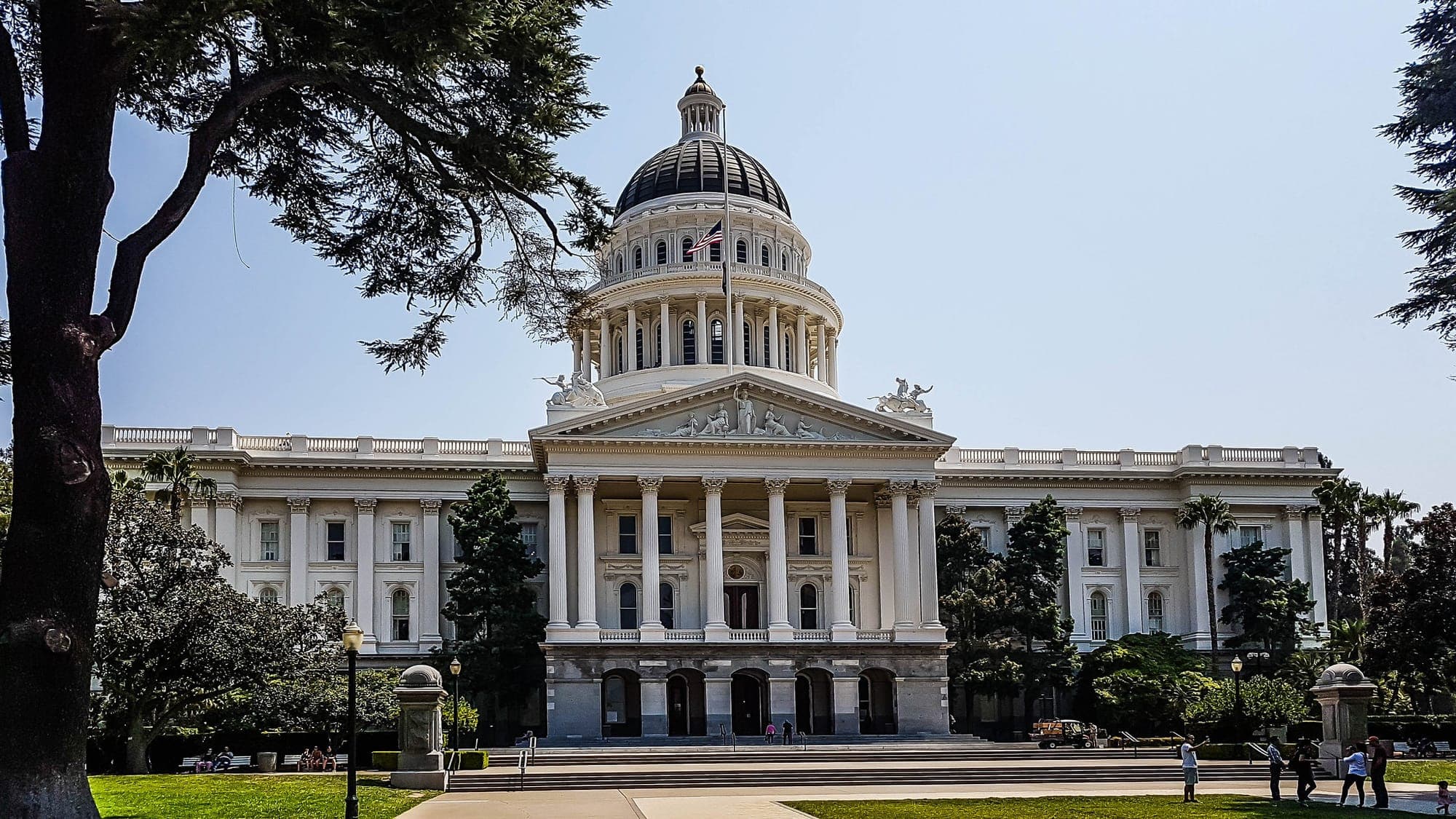
Photo Credit: J Main / shutterstock.com
You Might Also Like