
Naturalized Voter Initiatives Sweep the US
 Bianca Ciotti
(Credit: BostonGlobe.com)
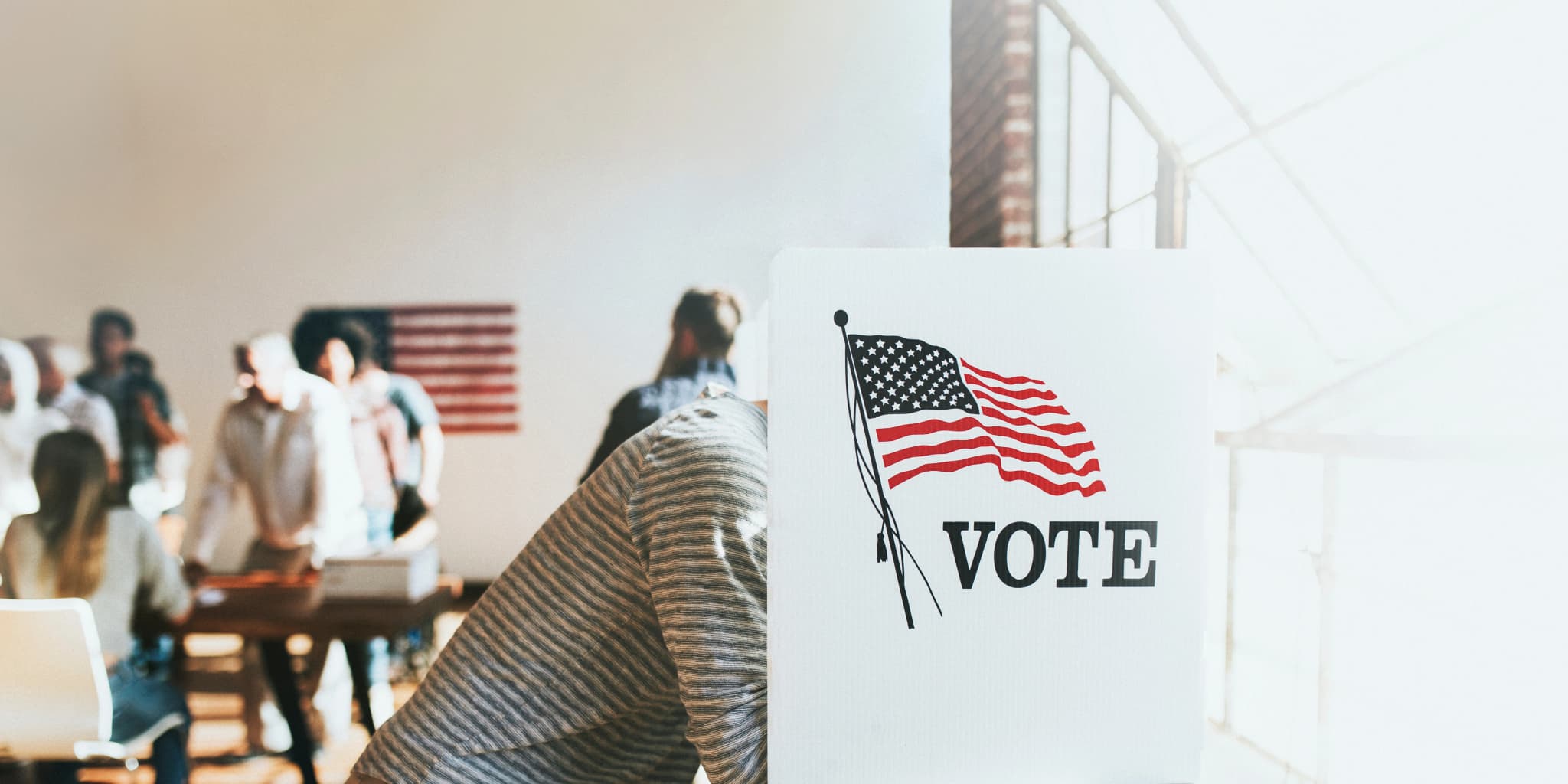
Naturalized citizens are quickly becoming a major demographic in the upcoming election. This is largely thanks to thousands of initiatives nationwide that encourage eligible, naturalized US citizens to register to vote. The question then, is this: if new Americans are flooding the voter base, how does this effect the outcome of the election?
At the National Immigrant Integration Conference in Baltimore last weekend, leaders of grassroots and national organizations came together to brainstorm better and more efficient ways to introduce new Americans into the political process. Their programs have seen increasing success this year as compared to previous election years.
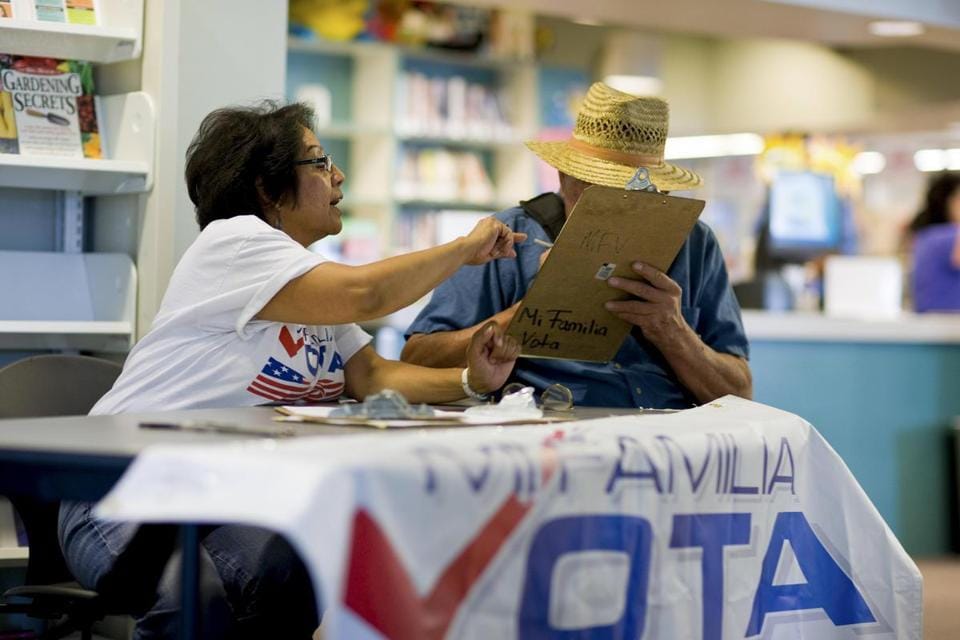
One organization leader credited this influx to a direct negative reaction of naturalized citizens to certain party stances on immigration. However, the voter registration process is not friendly to naturalized citizens. Though forms are often available at a number of community gathering places, such as the library, local school, and the DMV, foreign language forms are often limited.
Many of the organizations that were formed to increase naturalized voter turn out are dedicated to walking immigrants through the somewhat complicated, bureaucratic registration process in their native language.
Though some naturalized voter initiatives are focused on involving naturalized Americans in the upcoming presidential election, many seek to inspire immigrant voters to be involved and informed about their local elections. Local politicians have more impact on programs and policies which affect the new American community.
The New American Voter Project in Oregon is a successful example of a naturalized voter engagement program:
"In its first eight weeks at the ceremonies, NAVP collected 845 voter registration cards from Oregon and Southwest Washington’s newest citizens, exceeding its own ambitious goals with a 94-percent card collection rate. That means 94 percent of all people going through U.S. Citizenship and Immigration Services (USCIS) administrative ceremonies are helped to register through this new project."
Programs like the New American Voter Project have cropped up across the US as part of the immigrant integration movement. Naturalized voters are registering by the dozen to fulfill their civic duty and make their voices heard in local and national government. Yet, the candidates do not seem to be reaching out to this new audience-- though both Romney and Obama maintain separate and unique campaign websites in Spanish, neither candidate has made immigration or the immigrant community a topic of wide discussion. Perhaps the upcoming debates will provide the appropriate platform to reach out to the naturalized vote.
You Might Also Like


