
Marriage Equality in 2012: Uruguay and the U.S. Make Strides

 Debbie Sharnak
Photo: ilga.org
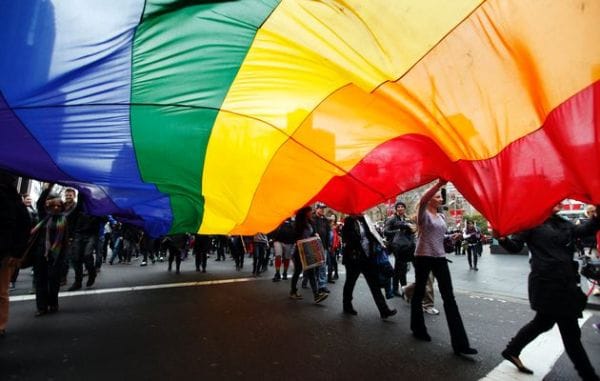
On December 11, 2012, Uruguay's House overwhelmingly voted to approve marriage equality in the country. The Senate was scheduled to vote on the bill on December 26, and commentators widely expected the chamber to easily pass the legislation. However, at the last minute, opponents of the bill asked for a postponement on the vote to allow for more public debate. President José Mujica has said he will sign the bill into law as soon as it reaches his desk.
If the law moves forward as expected, Uruguay will join Argentina as only the second Latin American country to legalize same-sex marriage. Uruguay’s progressive politics are taking center stage internationally as it moves forward with this legislation, following legalized abortion and nationalization of marijuana sales.
The U.S., meanwhile, has made its own strides in the marriage equality debate this year. Looking back on the sea of changes to marriage equality in 2012, it all began when Joe Biden independently asserted his support for same-sex marriage in early May. Obama soon followed suit a few days later, when he surprised much of the nation by declaring that he too believed in legalizing same-sex marriages. While earlier in his administration he supported civil unions, he decided his “evolving” views had progressed to a beliefe that marriage equality was an important step forward for the nation.
Political commentators immediately began to analyze how this declaration might alienate independent voters, but public sentiment on the whole appeared to be in process. Gallup Polls, for example, showed that in 2012, for the first time, over 50% of Americans believe same-sex marriages should be recognized by law as valid.
These polling numbers were reflected in the November elections. In both Maryland and Maine, voters approved ballot measures to allow for same-sex marriage. After failing in dozens of elections around the country in the past (32 times to be exact), for the first time, the popular vote reflected the dramatic social change that has been occurring around the United States.
In 2004, same-sex marriage was placed on the ballot as a tactic to draw out conservative voters to the poll and mobilize the base. Now, just eight years late, voters approved the measure in two separate states. Previously, states that legalized same-sex marriages were only able to do so legislatively or through judicial action.
Between the delay in Uruguay’s vote yesterday and the Supreme Court’s announcement earlier this month that it will hear arguments on the constitutionality of DOMA and California’s Prop 8, the issue is not resolved by any means in either nation. However, 2012 has truly been a year in which great strides have been made for LGBT rights in both nations. It remains to be seen whether 2013 will continue this trend.
You Might Also Like


