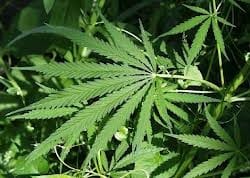
In the last Congress H.R. 2306 was co-sponsored by Barney Frank and Ron Paul. It would have ended the federal marijuana prohibition leaving it to the States to decide whether its use was good or bad for their citizens. But, as most bills do—it died in committee.
In a poll of independents, conservatives, and liberals, where their opinions were given equal weight this bill garnered a 77% positive approval rating. Is this reflective of the opinions of the entire electorate? Recent polls about legalizing marijuana are starting to tip into the majority.
So, why doesn’t it happen? There is the overall drug policy to consider. Illegal drug use in the US is by no measure good for public health. On a pure wellness measure regularly ingesting non-nutrients into ones body is a strain on the detoxification system, let alone impairing cognitive functions. Long term use of illegal amphetamines, barbiturates, and narcotics takes a serious toll on the human body.
There is excellent research and a bold new idea to decrease illegal drug use, unburden law and order, and be more humane to drug abusers. It is called a Drug War on Chronic User Behavior, and it is based on the work of three doctors; Kleiman, Caulkins, and Hawken who are co-authors of the book Drugs and Drug Policy: What Everyone Needs to Know.
There is an argument that says the costs of pursuing the current drug war are too high, it obviously isn’t working, and can never work—therefore illegal drugs should either be decriminalized or legalized. But, this is how the authors responded in a Wall Street Journal article…
"Legalizing possession and production would eliminate many of the problems related to drug dealing, but it would certainly worsen the problem of drug abuse. We could abolish the illicit market in cocaine, as we abolished the illicit market in alcohol, but does anyone consider our current alcohol policies a success? In the U.S., alcohol kills more people than all of the illicit drugs combined (85,000 deaths versus 17,000 in 2000, according to a study in the Journal of the American Medical Association). Alcohol also has far more addicted users. Any form of legal availability that could actually displace the illicit markets in cocaine, heroin and methamphetamine would make those drugs far cheaper and more available. If these "hard" drugs were sold on more or less the same terms as alcohol, there is every reason to think that free enterprise would work its magic of expanding the customer base, and specifically the number of problem users, producing an alcohol-like toll in disease, accident and crime."
These professors suggest instead a proven combination of treatment and short incarcerations that change the behavior of chronic drug users. It is estimated that 80% of all illegal drug use is from chronic users. The logic seems valid that if chronic use were eliminated then the economics of the illegal drug trade collapse as well. And where there is less supply there will surely be less demand. If the much less health harming marijuana was decriminalized or even made legal it would sop up the remaining “drug” demand, and be an overall net benefit to society.
A Drug War On Chronic User Behavior has an amazing 90% positive tripartisan approval rating on aGREATER.US. There is a lot to like for everyone in this idea. Less risk to law enforcement officers, less non-violent people incarcerated, treating drug use more as a public health issue than criminal, arguably less pressure on government budgets in the long run, and illegal drug use becomes a lesser issue in society.
Do you think this and Ending the Marijuana Prohibition are greater ideas?