

Just two weeks after independent voters delivered a decisive rebuke to the current leadership in Washington in the 2026 midterms, elected officials don’t appear to have gotten the message—or don't care to hear it.
On Wednesday, the House Homeland Security Committee held its annual Worldwide Threats to the Homeland hearing with DHS Secretary Markwayne Mullin, Director of National Intelligence Jay Clayton, and FBI Deputy Director Christopher Raia.
It was supposed to be a thorough examination of serious threats to the United States, including more details about a series of tech outages and system failures that included an FAA ground stop, as well as issues with the NSA and US banks.
 Ethan Handelman
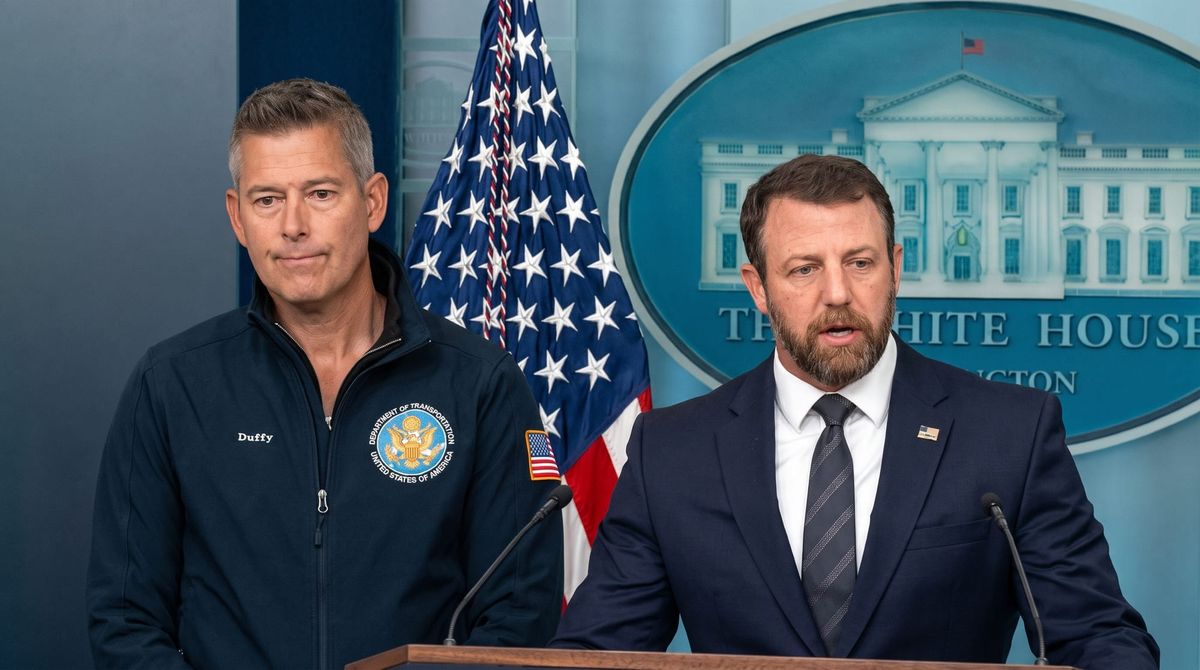
There are still plenty of questions from the public that have not been answered. However, the hearing quickly devolved into a showcase of accusations, personal insults, partisan talking points, and theatrical grandstanding.
In other words, the type of Washington politics many voters rejected at the ballot box.
Democrats Were Ready for a Gloves-Off Fight
One of the most confrontational exchanges of the day was between US Rep. Al Green (D-Texas) and Mullin. From the beginning, Mullin accused Green of being late, while Green responded that he was being performative.
Then, Green closed out his time by accusing Mullin of covering up wrongdoing related to the death of Alex Pretti, who was killed by ICE officers in Minneapolis earlier this year.
"Mr. Secretary, you ought to be arrested 'cause you're engaging in a cover-up!" Green shouted as the committee chair declared that his allotted time had expired.
Mullin responded: "Enjoy your forced retirement!"
Green lost his congressional seat in a Democratic primary in March following Texas redistricting.
It was a headline-making moment and gave both sides an excuse to say, “we showed them.” However, it offered little clarity for the American people about investigations into ICE operations.
Puerto Rico Resident Commissioner Pablo José Hernández also got into a heated exchange with Mullin about deaths during immigration enforcement.
Mullin said he could not discuss ongoing investigations, but shifted attention to the families of people killed by undocumented immigrants. He made a point to say these immigrants came into the US under “the Biden administration.”
Hernández challenged the comparison and pressed for answers.
At one point, Mullin responded to Hernández with, "Don't put words in my mouth!" He then questioned whether Hernández was having difficulty hearing his answers.
Mullin, Republicans Put on Their Own Show
Republicans also had their moments of political theatrics. For example, while discussing the nationwide FAA ground stop, Rep. Michael McCaul (R-Texas) praised Mullin and the Trump administration for successfully grounding 36,000 planes.
McCaul to Markwayne Mullin: "Let me commend you. 36,000 planes being grounded -- yes it was chaotic, but you know what? Nobody died! I want to thank you for that" pic.twitter.com/LdweMjK1Dx
— Aaron Rupar (@atrupar) November 18, 2026
"Yes it was chaotic, but nobody died," McCaul remarked, which is certainly important. But Americans who spent hours on a tarmac or were affected by the cancellations and delays that followed the ground stop may want more scrutiny than, “But did you die?”
Mullin also defended his decision to travel with family on a government plane to the Texas-LSU football game while travelers were still dealing with the fallout from the ground stop. He said the trip had been planned for weeks and he “wanted to be a good uncle.”
He further explained that cancelling the trip might have sent the wrong message about public confidence in air travel.
Markwayne Mullin is already crashing out: "You want to bring up the fact that I took my family and great nieces to an LSU game that was scheduled for weeks prior because I wanted to be a good uncle ... we had deep conversations about it, and it came in that if we canceled… pic.twitter.com/ktBERNzQkv
— Aaron Rupar (@atrupar) November 18, 2026
Mullin characterized the government's handling of the disruption as a success, even as questions remained about the failures that triggered it.
This Is Not What Americans Voted For
Two weeks ago, the US witnessed one of the most sweeping shifts in the political landscape in modern American history, and it was driven by a surge of independent participation.
According to 2026 exit poll analysis published by Roll Call, Democrats won independent voters by 22 percentage points. Independents represented approximately one-third of the electorate.
But the mistake many lawmakers, particularly Democrats, are already making is treating the 2026 midterms like an unconditional realignment toward their party.
The same analysis found that 68% of independents viewed Republicans unfavorably, while 58% viewed Democrats unfavorably.
The economy, inflation, and cost of living were all central to their voting decisions.
Frustrated by inaction, independents voted against the party that controlled both chambers of Congress and the White House. Just like they voted against the party in power in 2024—i.e. the Democratic Party—when Trump was re-elected to a second term.
This does not mean that people never want to see a confrontational Congress. It does not mean that they don’t want members of Congress to hold government officials accountable.
However, on November 3, voters demonstrated widespread dissatisfaction with the political status quo and the performance of those in power.
Wednesday’s hearing was supposed to offer answers and updates to national security and public safety matters that concern every American. Instead, it highlighted a persistent problem in American politics:
The incentives to score points against political opponents are still stronger than the incentives to solve problems together.
A political system dominated by partisan primaries, safe seats, and intense pressure from party-aligned constituencies rewards politicians for demonstrating loyalty and fighting opponents rather than finding common ground.
Lawmakers have legitimate disagreements about immigration, national security, and government accountability. When it appears that government officials are trying to skirt responsibility, aggressive questioning is sometimes necessary.
Not every heated exchange is or has to be political theater. But there is a difference between oversight designed to produce answers and confrontation designed to produce a viral clip.
Did the public learn something important? Was an official held accountable? Did lawmakers identify a solution? Or, did everyone simply leave with another video to share on social media?
Sources
- homeland.house.gov: MEDIA ADVISORY: Chairman Garbarino Announces Annual Worldwide Threats Hearing
- IVN: The FAA Full Ground Stop: Peak Partisanship Rears Its Ugly Head
- Scripps News: Al Green tells DHS Secretary Markwayne Mullin he ‘ought to be arrested’
- C-SPAN: Rep. Hernandez and Mullin spar over immigration enforcement
- Aaron Rupar on X: X post by Aaron Rupar (@atrupar)
- Aaron Rupar on X: X post by Aaron Rupar (@atrupar)
- Roll Call: Independents decide the election, again!