A year later: a nation polarized by partisanship

 Ryan Jaroncyk
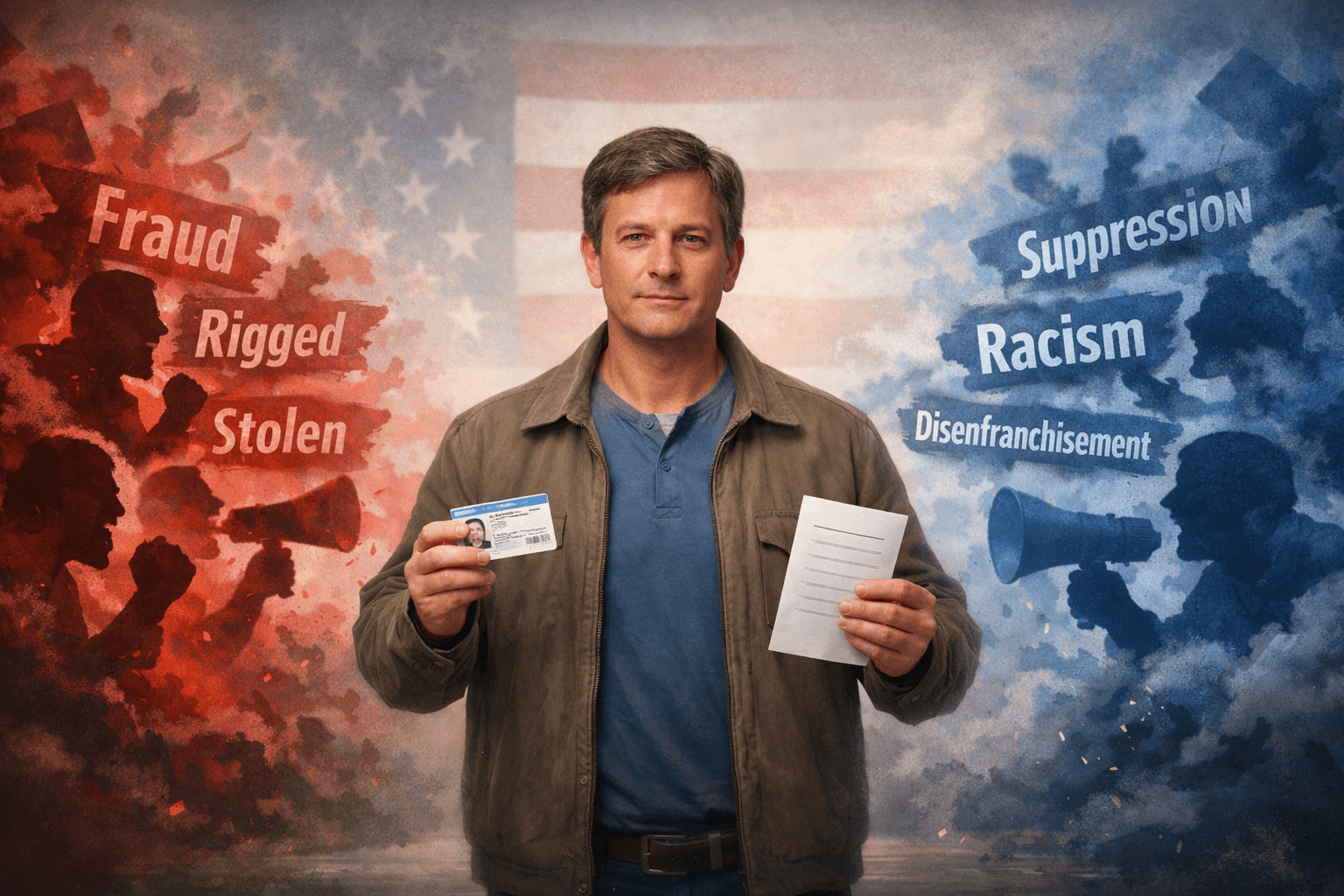
Like George W. Bush, President Obama promised to unite a nation deeply divided by partisan politics. However, a year into Obama's first term, America is more polarized than ever according to a Gallup Poll.
President Obama's first year stands as the most polarizing on record since polling commenced under President Dwight D. Eisenhower. 88% of Democrats approve of his performance, while only 23% of Republicans approve, representing a 65% partisan gap. This far exceeds the 45% gap under Presidents George W. Bush and Ronald Reagan, and the 52% gap under President Bill Clinton.
Obama's independent voter approval rating stood at 42% just two weeks ago, a figure that hovers much closer to the GOP's paltry rating. In addition, a Rasmussen poll reveals that only 30% of voters believe President Obama is governing as a bipartisan leader.
What gives?
Shouldn't Republican support be a bit stronger, especially since the GOP considers national security to be this nation's highest priority? After all, Obama has requested a record military budget (bigger than Bush's largest defense budget), escalated the AfPak war with two, new troop surges, ordered a record number of Predator Drone attacks, maintained a heavy troop presence in Iraq, and kept Guantanamo Bay open. He supports the Patriot Act and exempted military spending from his proposed three-year domestic spending freeze. On the other hand, shouldn't Democratic support be a bit weaker, especially since the Democratic Party positioned itself as the pro-civil liberties, anti-war antithesis to the Bush-Cheney administration? In addition, Obama and a Democratic-led Congress have failed to stem the tide of double-digit unemployment, and have been unable to pass historic, binding legislation on healthcare reform and climate change.
Independents, like most Democrats and Republicans, appear to be moderately supportive of Obama on foreign policy, but high unemployment, record budget deficits, continued bailouts, and the attempted public option seem to have soured them for the most part.
So, is America facing yet another deeply polarizing political future? Or, will Obama reclaim the mantle of bipartisanship and rebuild a more united, centrist nation?
Will it take a Republican take-over of Congress in the mid-term elections to institute a more bipartisan atmosphere in Washington DC, or will it simply exacerbate the already deep partisan divisions?
Or, is the foundation being laid for the rise of a viable 3rd party by 2012?

Readers, let us know what you think. Inquiring minds want to know.
You Might Also Like