Why Presidential Primaries Keep Failing – and the Radical Reform That Could Save Them
 Mike Cantwell
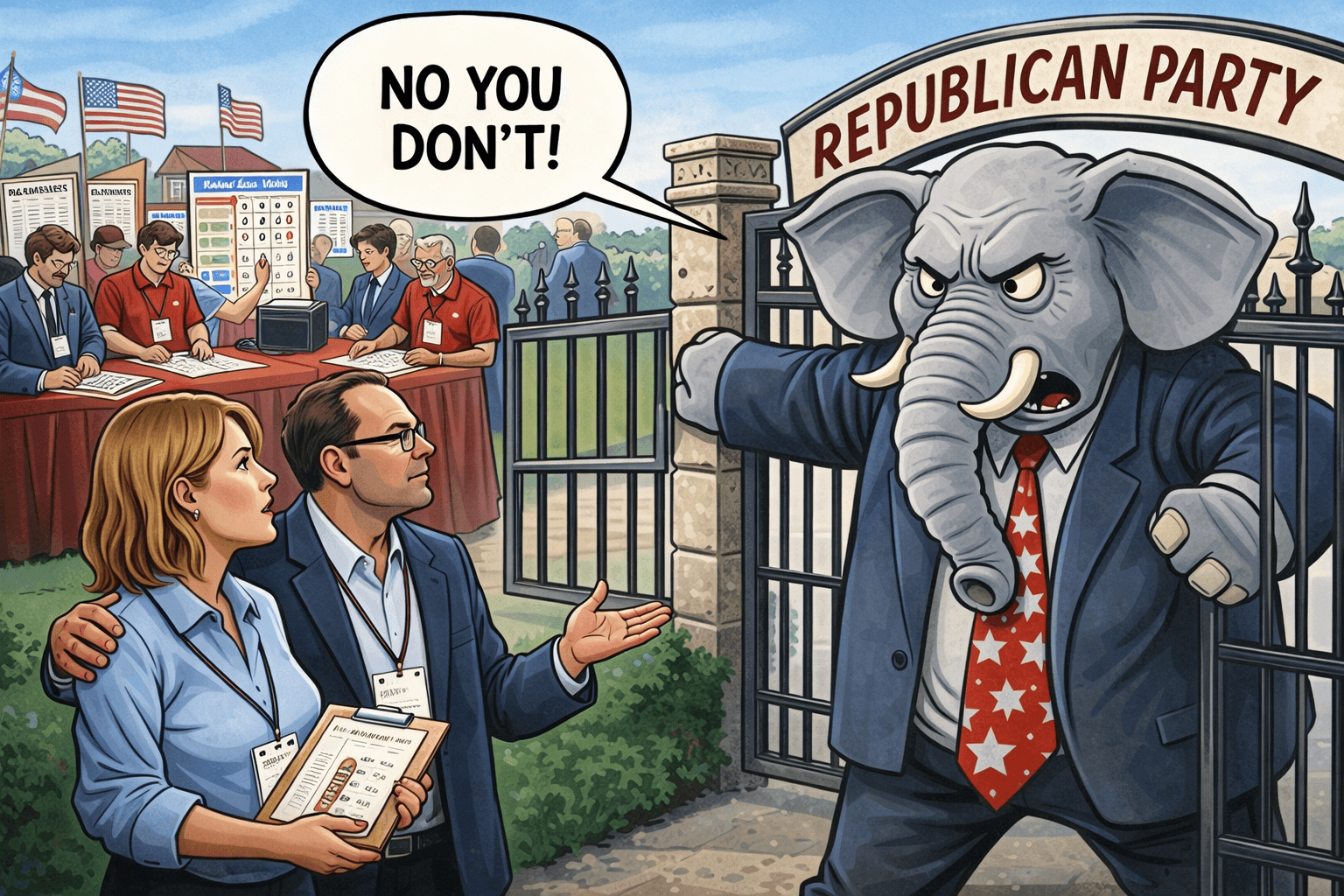
According to a study conducted by Unite America, many Americans are dissatisfied with the presidential primary process, citing issues like exclusion of independent voters, low turnout, candidates moving to extremes, wasted votes, and the power of party insiders.
In a January 2024 Ipsos poll, most Americans expressed their dissatisfaction with having Joe Biden or Donald Trump as their choices for president. Our system of selecting major party nominees is not working and is producing nominees who are not popular with a majority of Americans.

Efforts to reform the system through legislation and citizen ballot initiatives have been costly, time consuming, and have frequently failed. The best way to fix the process for selecting presidential nominees is convince one or both major political parties to implement party-run presidential primaries.
The new party-run presidential nominating process would include a myriad of reforms to ensure better outcomes for the party and the American people.
Most Americans love fair and open competition. We spend countless hours and billions of dollars each year participating in or watching contests that test skill, resilience, and strategy. From college and professional sports to reality shows like American Idol, the Bachelor, the Amazing Race, and Survivor, we are captivated by contests that use multiple elimination rounds that ultimately produce a “champion.”
Yet, the most consequential competition – choosing our presidential nominees – relies on an exclusive, unrepresentative, and nonstandard process. It’s time for political parties to discontinue government-run primaries and adopt party-run regional primaries that use secure mobile voting technology. This new system will produce a party nominee who is more likely to win the presidential general election.
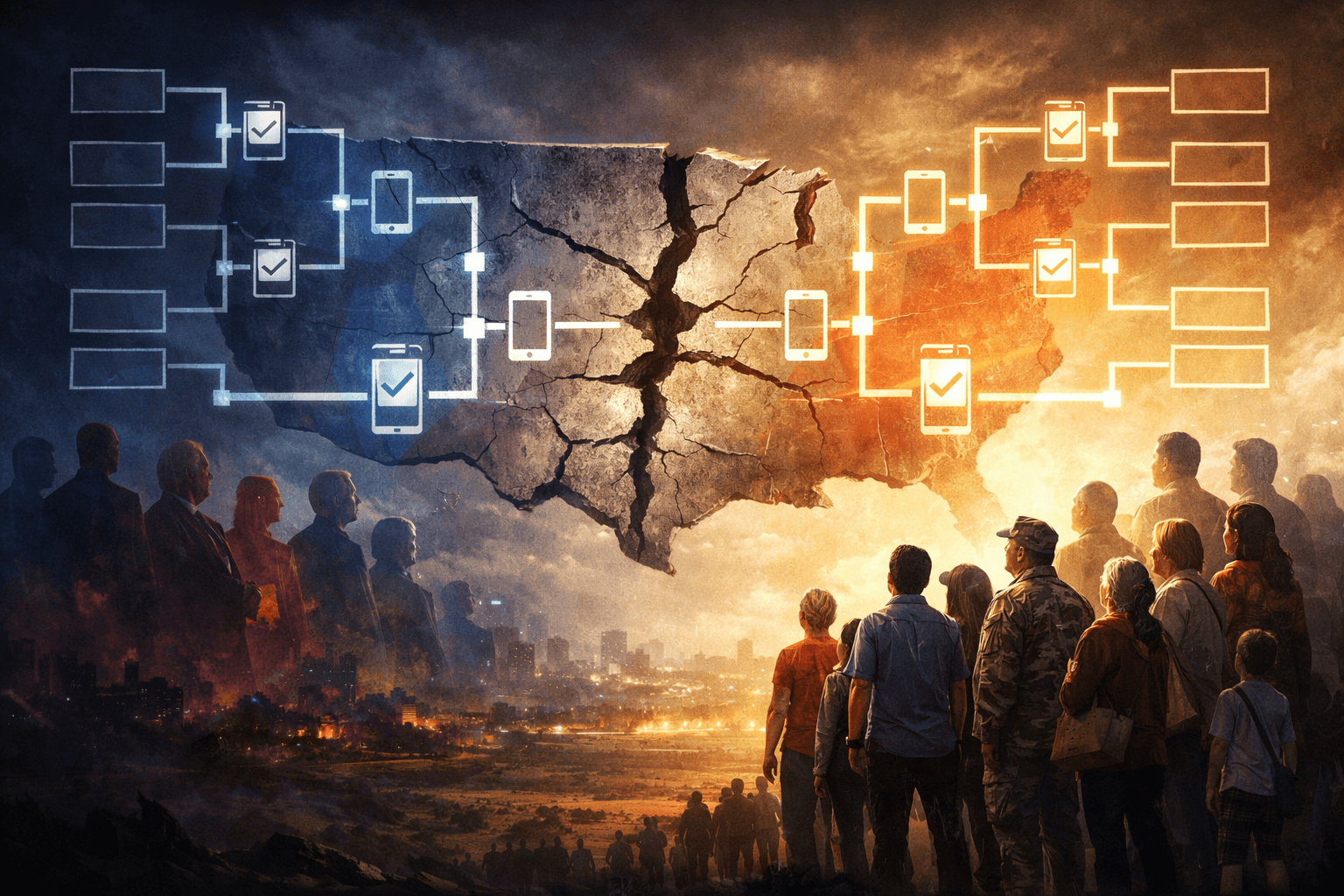
This new party-run nominating process would take place between January and May of the presidential election year, with four weeks between each regional primary. One year before the presidential general election, the order of the primaries would be selected by lot, thereby preventing any state or region from enjoying entrenched early influence.
The primaries would be open to all registered voters, using publicly available voter-registration data to ensure only citizens and registered voters are allowed to vote. Online voting using a secure mobile app would serve as the default voting method, but mail-in ballots and limited in-person voting would also be allowed.
The entire process would be administered by the party rather than the government. Votes would be allocated proportionally, with no winner-take-all states. After the last regional primary, the candidate with the most votes would be declared the party nominee. Parties could also incorporate proportional ranked choice voting to ensure broad support for the nominee and reduce the spoiler effect.

This new nominating process would end the outsized influence of four unrepresentative states – Iowa, New Hampshire, South Carolina, and Nevada – so every voter, in every state, will feel that their vote mattered. Since the process will be seen as fairer and more open, more candidates will likely throw their hats into the ring.
At the beginning of the process, even long-shot candidates will be seen as having a chance to win their party’s nomination. Because there will be no winner-take-all states and the votes will be allocated proportionally, several candidates will most likely remain viable into the last regional primary.
Using the College Basketball March Madness analogy, the primary field could start with 32 candidates, dwindle to 16, then 8, and finally to 4 in the last regional primary. Money and name recognition will be important, but not as important as it is under the current nominating system. The influence of special interest groups will also be diminished because they will no longer be able to put all their money and influence on one candidate.
Local media and local new media will play bigger roles in this new process.
The party that decides to implement this new nominating process will have an advantage over the party that continues to use the current system. If the Democratic Party decides to implement this new nominating process, their candidates’ names, faces, and ideas will be all over the TV, the internet, and social media for months.
Because independent voters would be allowed to participate in the process to select a major party nominee, they will be more motivated to vote for the party’s nominee in the general election.
The new nominating process will be exciting, with multiple storylines, interesting public policy ideas, etc. By the end of the process the “champion” (aka the party nominee) will be fully "battle tested," and more ready to face the other party’s nominee in the general election. Hopefully, this new nominating process will produce a better nominee and restore the public's trust in the way we select our president.
There are other benefits to implementing this new party-run nominating process. First, a political party could implement this new nominating process without passing citizen-led ballot initiatives or federal or state level legislation. Efforts to implement open primaries in closed primary states have been expensive, time consuming, and rarely effective.

Second, unlike the current system of state and local governments running party primaries, this new nominating process would be completely controlled and implemented by the party across all 50 states. Implementing this new party-run nominating process would cost a political party millions of dollars, but because the technology and processes would be standardized across all 50 states, the costs would not be prohibitive.
The party that implements the new nominating process could also communicate to taxpayers that their new process would save state and local governments tens of millions of dollars.
Finally, although somewhat controversial, allowing all registered voters to participate in a party-run nominating process will be seen as being more democratic and inclusive, improve the party’s brand, increase voter participation in the nominating process (Bipartisan Policy Center), and increase the number of voters who will likely vote for the party’s nominee in the general election.
According to the Mobile Voting Project, mobile voting has been used for nearly 20 years in half a dozen counties and over 21 mobile voting pilots have been conducted across seven states. In every pilot, the National Cybersecurity Center audited the election, and in every case, the election came back clean.
Bradley Tusk, founder of the Mobile Voting Project, told CBS News that voting online “would combat low voter turnout that has been blamed for putting candidates with fringe ideas into office.” Tusk said, "We're going to take the technology that you use right now for your banking, your health care, your love life, so you can vote securely on your phone."
According to the Unite America Institute, in 2024, closed presidential primaries in 22 states excluded over 27 million voters not registered with a major party – disproportionately younger and more likely to be veterans – undermining the legitimacy of the nominating process and depressing voter engagement.
Secure mobile voting technology is ready now. Implementing secure mobile voting technology in party-run primaries is the best way to ensure widespread adoption in future general elections.
Pro-democracy advocates should work to influence political party leaders, including minor party leaders, to fully implement the above-mentioned reforms. Party-run regional primaries with secure mobile voting will make a party’s nominating process fairer, more competitive, and more representative.

By implementing this new nominating process, a political party will more likely nominate a candidate who has a better chance of winning the 2028 general election for President.
You Might Also Like