
The Future of the California Lottery
 Indy
IndyWhile legislatorstussle over how to fix the current gap in the state’s budgetdeficit, at least they addressed last summer’s budget deficit.
Right?
Maybe wrong.
As part of thecompromise that closed that gap – then at around $17 billion –legislators and Gov. Arnold Schwarzenegger agreed to put a ballotmeasure before voters sometime in 2009 that would borrow againstfuture lottery revenues, with the understanding voters had to givethe okay to overhaul the lottery in such a way as to increase itsrevenues for the state.
Days after thebudget was finalized, the national economy went into a severe,visible tailspin, leading some observers to conclude that projectionsof future riches from the state lottery were as wishful thinking as,well, winning the lottery.
But there may be agreater problem than that: voters.
When voters decidedto create a lottery in the 1980s, the promise was that doing so wouldpermanently solve education funding problems.
Any observer ofCalifornia politics since could tell you that such a promise neverbore fruit. And the lottery’s ability to raise much money hassince been curtailed by the expansion of other types of gambling,most notably Indian casinos.
Those factors havecreated both disdain among many voters toward the lottery, and apowerful moneyed interest in gambling tribes that could make a bigimpact on any ballot measure campaign involving the lottery.

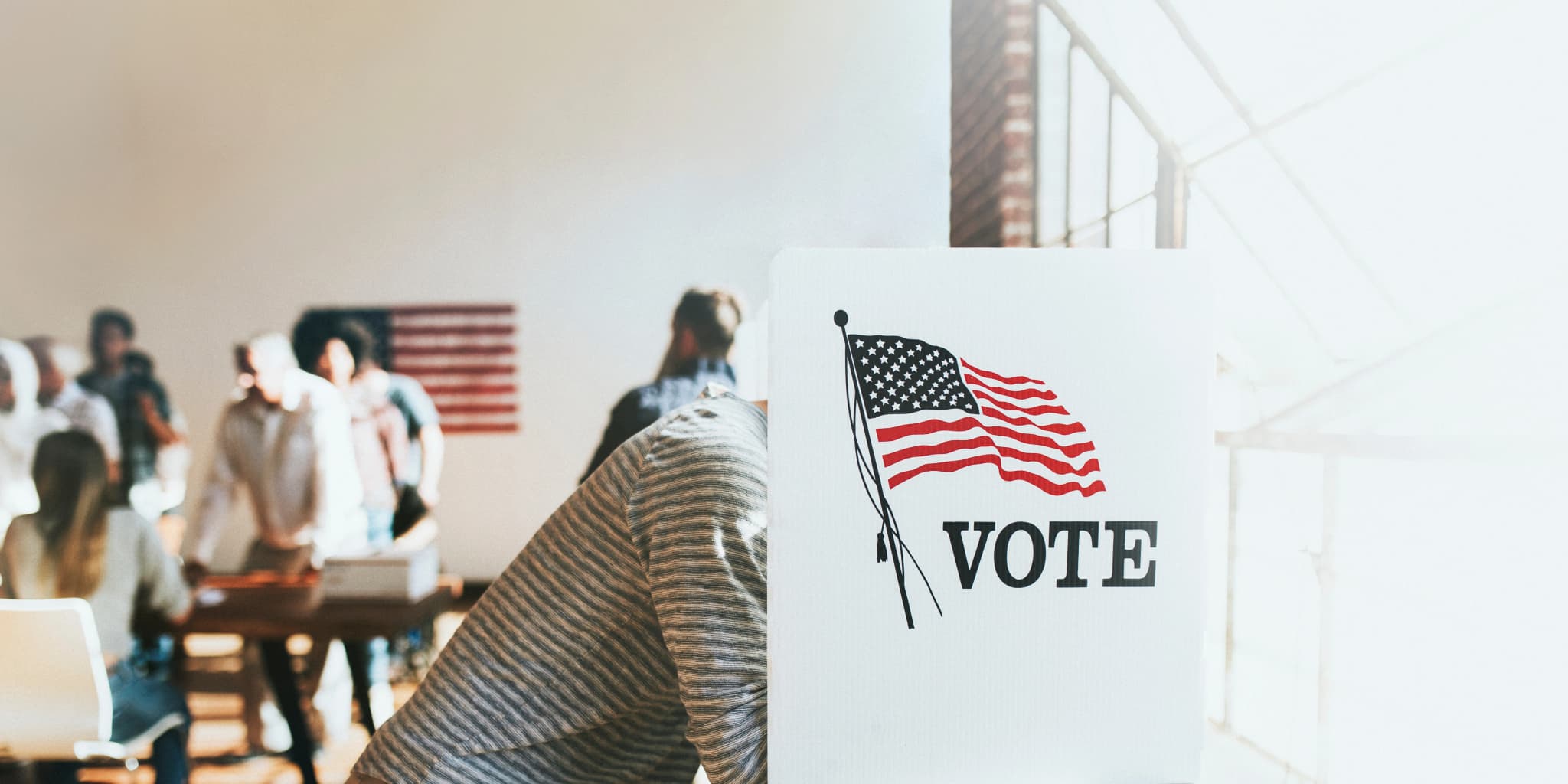
So far, the lotteryballot measure hasn’t gotten much public scrutiny, perhapsbecause the governor hasn’t even scheduled the special electionwhere it will be decided. Most expect that ballot to be in June.
But when thegovernor first proposed the idea last spring, a Public Policy Institute of California poll found only 30 percent of voters favoredthe idea.
That’s a badsign. Historically, voters rarely pass ballot measures that start outwith less than 50 percent approval ratings.
And in the case ofthe lottery, there are two voter groups who can’t be convincedto support it: Religious types who see the lottery as sinful gamblingregardless of its provenance, and those who believe that it amountsto a tax on poor people who are most likely to play it.
Factor in that theIndian tribes could decide to spend against the measure because itwould hurt their own bottom lines if more people played the lottery,and the proposed ballot measure may be running into a wall beforeit’s out of first gear.
Against all that,what choices do proponents have?
Schwarzenegger willalmost certainly campaign for the measure if it looks like it’sin trouble. While his track record on backing government reformmeasures is mixed at best, he does have momentum on his side afterhis redistricting measure Proposition 11 passed last fall.
It’s alsopossible that individual legislators could try to buoy the measure,but there are several problems with such a scenario. One is that thestate legislature by and large isn’t popular among voters;something they’re seen as being in favor of could lead manyvoters to conclude they’re better off opposing it.

As well, thegovernor’s relationship with legislators in both parties hasgotten especially rocky over the last year, and as long as the statebudget process involves loathsome choices – as it’slikely to for 2009-10 – lawmakers may feel little inclined tobeat the bushes for a proposal the governor came up with.
All this means thatstate leaders of all stripes must consider the ramifications if themeasure doesn’t pass.
According to stateDepartment of Finance spokesman H.D. Palmer, the state figured onabout $5 billion in 2009-10 from borrowing against lottery revenue,subject to voter approval.
So failure of thelottery reform measure would add that much to next year’sdeficit, and that much in future budget years as well.
Many of theaccusations hurled back and forth during the budget negotiationscenter on how one side or another refuses to buck itsspecial-interest allies in the name of getting something done.
But in this case,the state’s government may have forgotten to consider the mostpowerful special-interest group of them all: California voters.
You Might Also Like


