
 Jeremy Gruber
Editor's Note: The following is an exclusive series on IVN from the better elections group Open Primaries. The content originated from the group's weekly newsletter, "Primary Buzz."
Last week, the Pennsylvania House passed HB 280 to open the state’s primaries in a bipartisan vote. That breakthrough is proving to be just the beginning.
The momentum behind open primaries is now spreading across the state—and some of Pennsylvania’s most powerful voices are joining the fight. Governor Josh Shapiro has endorsed opening Pennsylvania’s primaries, and Congressman Brian Fitzpatrick, a Republican and one of the state’s leading bipartisan voices, has thrown his support behind the effort as well.
 Hugh J Campbell Jr.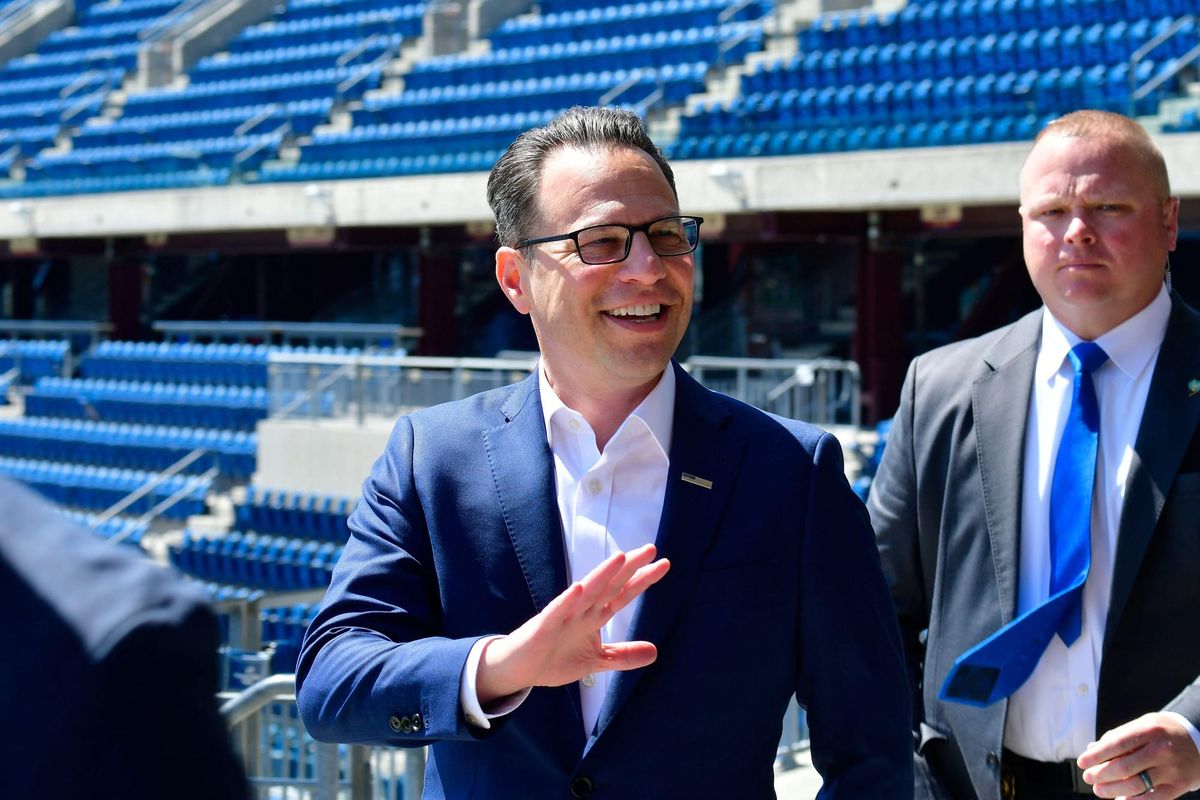
And it’s not just elected officials paying attention. Media outlets across Pennsylvania are buzzing about the issue, putting the voices of the state’s 1.5 million independent voters front and center and sparking a much bigger conversation about who gets to participate in Pennsylvania’s taxpayer-funded elections.
Now we’re putting that momentum to work.
Open Primaries and our partners at Ballot PA Action are activating Pennsylvanians across the state to thank the House members who voted for HB 280 and to urge state senators to support the bill as it moves forward. We want lawmakers to hear directly from the independent voters who have been locked out of Pennsylvania’s primaries for far too long.
Check out PA Open Primaries activist Tom Graff with a message for PA voters:
If you live in Pennsylvania or know someone who does and want to get involved, please email Cathy Stewart at cstewart@openpriamries.org
For a decade, we have organized, litigated, built alliances, and fought for this moment. Now Pennsylvania is watching—and the rest of the country is watching Pennsylvania.
 IVN Editorial Board
What We're Talking About
THE POLITICAL ESTABLISHMENT SHOULD BE VERY, VERY NERVOUS
OP President John Opdycke recently kicked off the Independent National Convention with a message the two-party system desperately does not want to hear:
Independents are done waiting for permission.
They are organizing. They are building power. And they are demanding a political system where they actually have a voice.
This isn’t the fringe anymore. This is the realignment.
Check out his compelling charge:
Activities / Events
Joe Manchin: Are Independents Finally Breaking Through?
Don’t miss our provocative conversation with former Senator Joe Manchin, Independent Center senior adviser Adam Brandon, and Open Primaries President John Opdycke on whether 2026 could be the year independents finally translate their numbers into political power.
Can independent candidates break the two-party monopoly—and change how Washington works?
BROOKLYN VOTERS SAY: LET US VOTE!
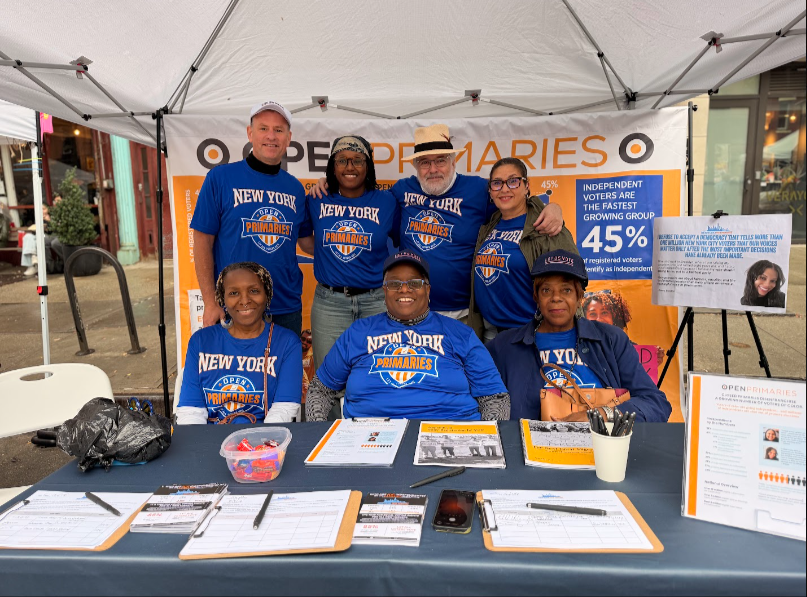
Not even pouring rain could slow down the Open Primaries crew at this year’s Atlantic Antic, Brooklyn’s biggest and oldest street festival.
Our volunteers hit Atlantic Avenue to gather signatures for our open letter to Mayor Mamdani—and to talk with New Yorkers about an outrageous fact: 1.2 million independent voters in New York City are locked out of their own taxpayer-funded primary elections.
Our letter calls on Mayor Mamdani to hold an Independent Voters Town Hall and meet face-to-face with the New Yorkers he says are “quite content” with the status quo.
Brooklyn voters had a very different message.
Independents are done being locked out.
Hundreds stopped, signed the letter, and made their position unmistakable: LET ALL VOTERS VOTE.
Watch Torsha Childs as she lays it out:
Atlantic Antic was a reminder that this isn’t an abstract political debate. It’s about whether millions of New Yorkers get a voice in the elections their tax dollars pay for.
Are you a New Yorker or know someone who is? Go to our campaign site, sign the petition and get involved.
MARYLAND: THE DAM IS BREAKING
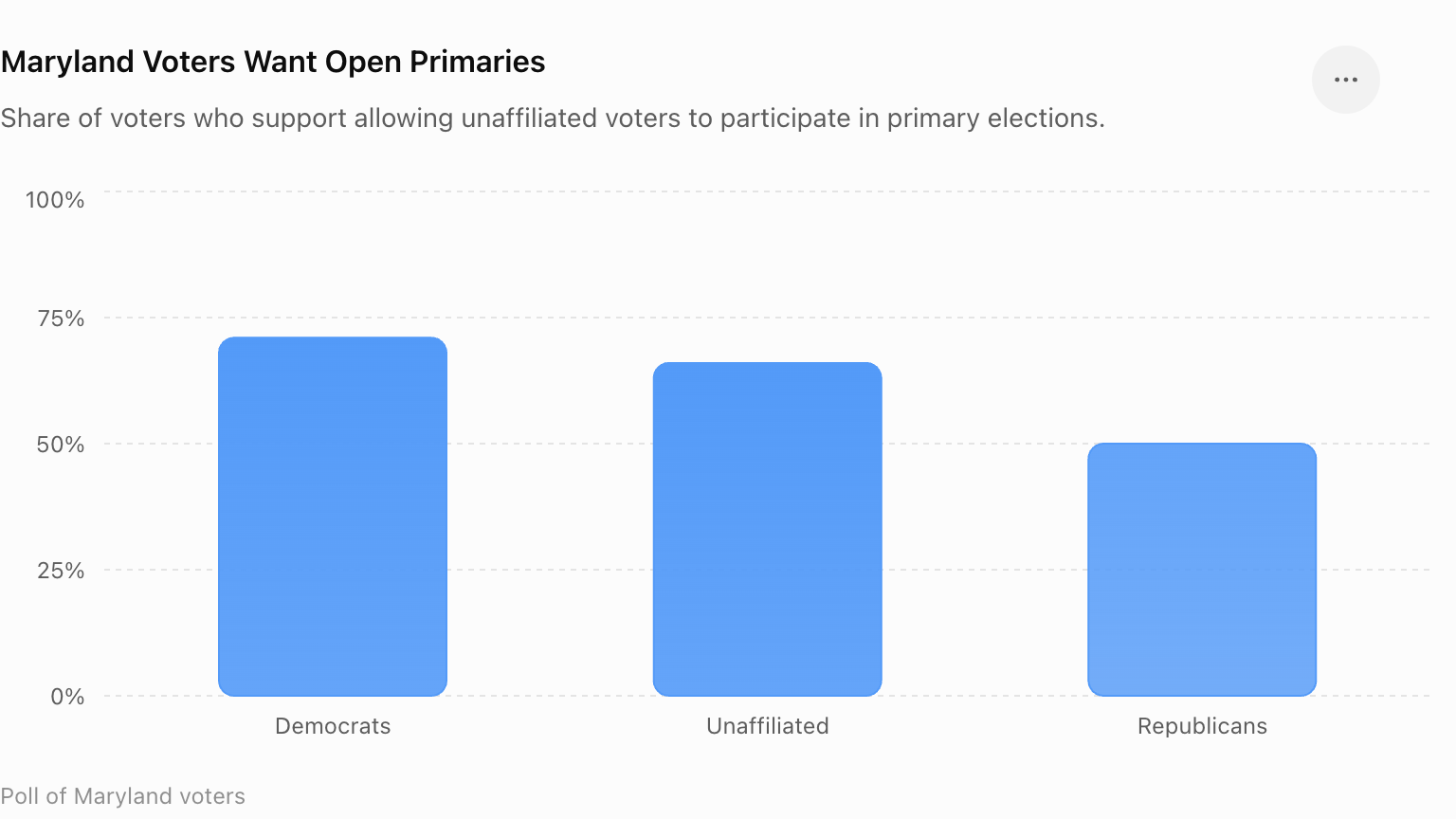
A second Maryland poll has now confirmed what the first one showed: Marylanders want open primaries. The new UMBC poll finds 60% of likely voters support opening the state’s primaries, while just 32% support keeping the current closed system.
That makes this more than a single encouraging poll. Two polls, from different pollsters, are now showing overwhelming public support for giving independent voters a voice in Maryland’s taxpayer-funded primaries.
The politics are moving. The law is being challenged. And the public is speaking clearly.
Maryland’s closed-primary system is running out of excuses.
MASSACHUSETTS DEBATES PRIMARY REFORM
Massachusetts has a massive competition problem—and its partisan primary system isn’t fixing it. Independent voters can choose which party’s primary to enter, but they still have to choose a party. Question 3 would put every candidate on the same ballot, give every voter a free choice among them, and send the top two to November.
 Shawn Griffiths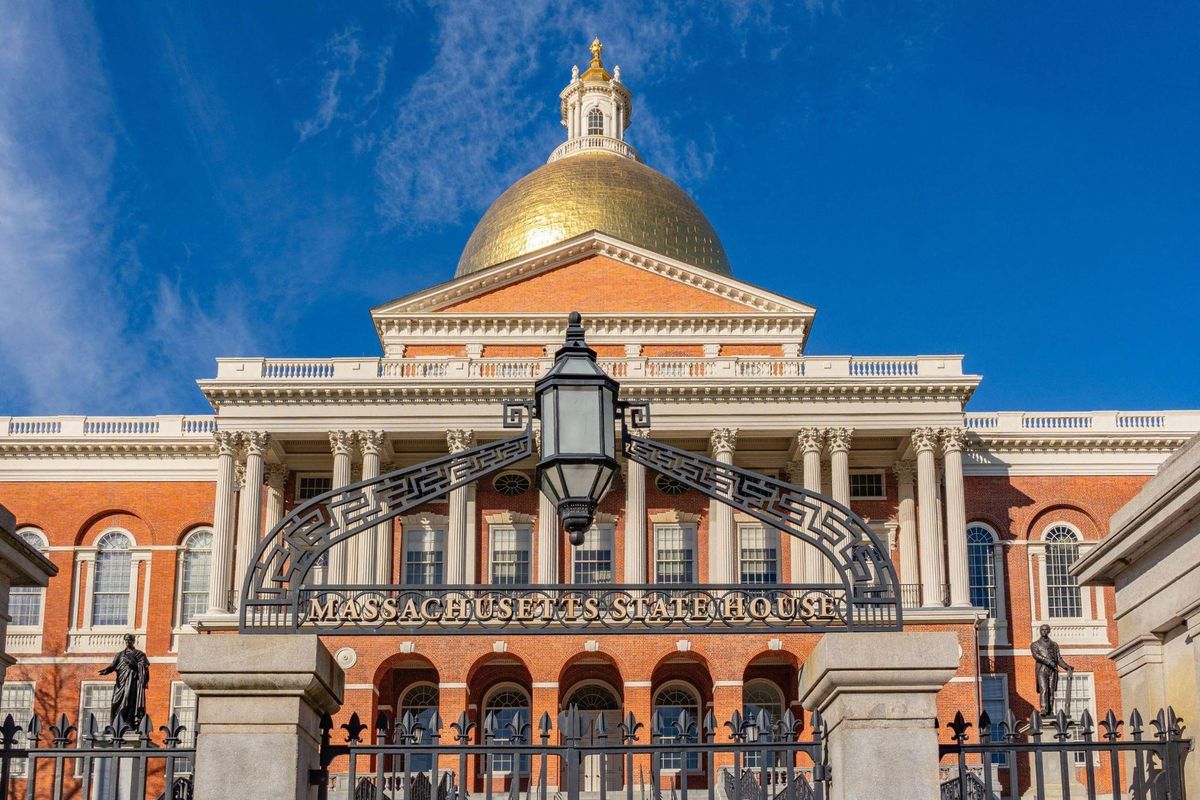
That’s not just a different primary system. It means real competition for every vote—and real freedom for voters to choose the candidates they actually want.
Watch the Boston Public Radio debate between Question 3 advocate Danielle Allen and State Senator Lydia Edwards.
WYOMING’S SUPREME COURT JUST MADE IT HARDER FOR VOTERS TO CHOOSE
This week the WY Supreme Court issued a decision upholding a law barring voters from changing their party affiliation for 96 days before a primary election—even though it also recognized that these primaries are public elections and that voting in them is a fundamental constitutional right.
That contradiction should concern every voter.
Wyoming’s Constitution promises “open, free and equal” elections and the “untrammeled exercise” of the right to vote. Yet the court says the government can force voters to decide which party’s primary they will participate in months before they know who is running.
Think about how absurd that is.
Candidates enter the race. Voters learn where they stand. Political circumstances change. A voter may decide another primary matters more. A family member may be running. But if that decision comes after the government’s arbitrary deadline, too bad. The state has already decided which primary that citizen is allowed to vote in.
And let’s be clear: these are not private political clubs. They are government-run elections.
Political parties can decide who belongs to their organizations. But when government administers a primary, pays for it, and uses it to determine who advances to the general election, voters have a right to meaningful access to that election.
The court got one thing very important right: primary elections are public elections.
Now we need to ask the obvious question: If the right to vote is fundamental, why is government making it harder to exercise?
In Case You Missed It
A New Chapter for the Open Primaries Movement
Open Primaries is building something bigger.
For years, leaders and activists across the country have been fighting for open primaries—often without a formal structure connecting their work. That’s changing.
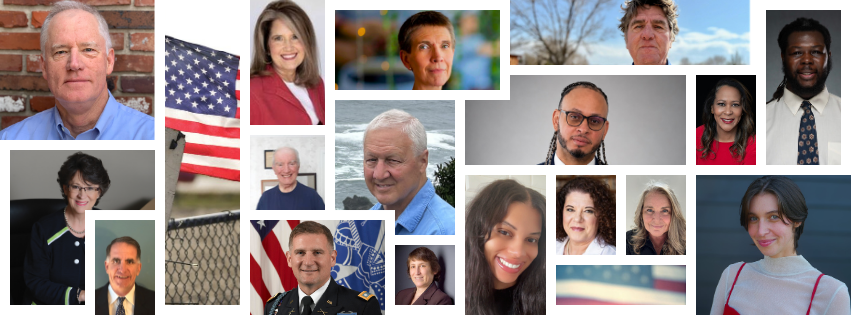
We’ve launched a nationwide network of State Leaders and Spokespeople, bringing together 11 state leaders and 29 spokespeople across more than half the states in the country.
These are people who have been in the fight for years, alongside new activists joining the movement. Together, they’re helping build the foundation for a 50-state network.
This is an exciting new chapter for Open Primaries: expanding our organization, creating new structures, and bringing more voices into the fight for independent voters.
The movement is growing. Now our organization is growing with it.
Meet the State Leaders and Spokespeople building the movement nationwide.