
Today’s parliamentary elections in the Netherlands are attracting an unusual amount of global interest, and one man is responsible: Geert Wilders.
In 2016, the world over saw an explosion in anti-globalist sentiments. From the success of Brexit in the U.K. to the election of Donald Trump in the U.S, to the emergence of populist candidates in France, Germany, and other countries, it looked like nationalism was gaining strong support around the world.
How successful Wilders' party, the Freedom Party, is at gaining seats in parliament will be one of three major tests in Europe in 2017 that will determine the fate of populism and globalism not only in Europe, but in global policy.
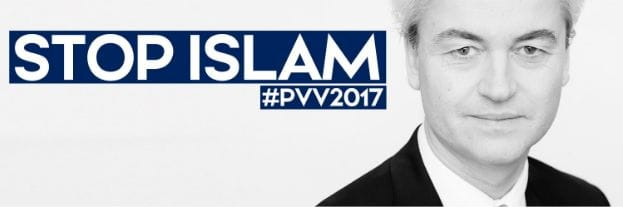
Dubbed the “Dutch Trump” by the press, Wilders and Trump do share a few similarities. Physical resemblances aside (many comment that Wilders’ bleached hair is similar to Trump’s), Wilders appears to share Trump’s communication tactics, including using Twitter as a means to attack political opponents and to promote himself.
https://twitter.com/geertwilderspvv/status/841871151139852291
https://twitter.com/V_of_Europe/status/841739204811980800
However, Wilders has garnered a lot of attention for rhetoric that is more extreme than anything Trump has said.
Wilders refers to Islam as a "totalitarian ideology," and wants to ban mosques, which he has compared to “Nazi Temples.” And with nearly 20 years of parliamentary experience, along with being the founder of his Freedom Party, Wilders can't tap into an outsider's potential appeal like Trump.
What can we expect to come from this election? We will have to wait to know for sure. The Netherland’s election process is lengthy and complex, as the Dutch voters don’t vote directly for prime minister. However, the latest polls show that the incumbent party has recently gained a slight edge over Wilders’ party after months of trailing behind.
Time will tell, but it will be interesting to watch and see if the populist trend is strong enough to tip elections from the Netherlands, to France and Germany alike, and what a rise of nationalist leaders could mean for the future of the European Union.
Photo Credit: Robert Hoetink / shutterstock.com