Photo: FreedomHouse.org
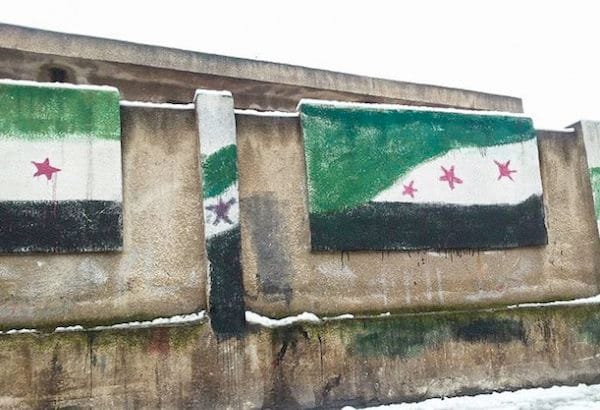
A ceasefire failed in Syria, although it was meant to allow for the observance of the Muslim festival Eid al-Adha. The ceasefire, negotiated between rebel and government forces, broke down on Friday and the fighting has continued into the weekend. A death toll of 150 people was reported on the first day of the ceasefire alone.
The ceasefire was brokered by an international peace envoy, but lasted only a few hours. On Friday, a suicide bomb rocked Damascus near a playground and sparked a downward spiral of fighting that has lasted into Sunday. The AP is reporting continued fighting in eastern Damascus suburbs that are currently held by rebel forces.
Syrian President Bashar al-Assad made a rare appearance on state television on the first day of the ceasefire, in which he was shown attending prayers at a mosque and talking with other worshippers. Soon after, state TV acknowledged the Damascus attack and reported, “the Armed Forces are firing back and confronting the armed terrorist groups.”
The uprising in Syria has become a longstanding fight and has essentially spiraled into a full on civil war. Recently, fighting has spilled over into neighboring Turkey and Lebanon, heightening tensions in the region as a whole.
Hizbollah, a Shia armed force that fills an ad-hoc governmental role in Lebanon, has been a strong supporter of Bashar al-Assad’s government, but some important figures in its ranks are now questioning their position. There are a large number of Sunnis and Christians in Lebanon and some see the future of Syria as directly related to the future of Hizbollah’s influence and strength in Lebanon.
Syria has been a topic of great interest during the presidential election, particularly for its far-reaching implications in the Middle East. The American administration has struggled with balancing support of rebel forces and direct involvement, and has endured the critique that it has not done enough to stop the escalating death toll. Throughout the campaigning cycle, candidates have been asked to define an opinion on how to best approach the Syrian conflict, although both have been avoiding any resolution that would include a full-on US military intervention.
The Americans also have a great interest in the conflict because Iran has been playing an important role in the conflict, a growing concern to the US government. However, Iran appears to have scaled back some of its involvement due to scrutiny back in Tehran.
Russia and China have come under fire by the West for their lack of condemnation of the Syrian government. This silence is seen as direct support for the al-Assad regime. Both Russia and Syria hold places on the UN Security Council and their positions are currently blocking the council from intervening militarily in the region.
A diplomatic resolution to the Syrian conflict is highly unlikely, but the next US president will have urgent choices to make as violence spreads to Syria’s neighbors and Iran’s entanglement becomes more apparent.