 Shawn Griffiths
Early voting in California is quickly approaching for the 2022 election cycle. In most elections, voters will choose among candidates from two different parties -- but in several districts -- the “top-two” nonpartisan primary has led to head-to-head races between two Democrats.
Importantly, most of these races are in heavily Democratic districts where, under a traditional primary system, the race would all but be decided already. Instead, progressive and more moderate Democrats are battling for general election votes -- and it's the “no party preference” and Republican voters who are likely to be the kingmakers.
California uses a nonpartisan top-two primary for all elections except for president, meaning all voters and candidates (regardless of party or lack thereof) participate on a single ballot and the top two vote-getters advance to the general election.
Most local municipalities use the same system.
As a result of the “top-two,” here are 6 Democrat v. Democrat races in heavily Democratic districts that will likely be decided by voters who are NOT Democrats:
Los Angeles City Council - District 11
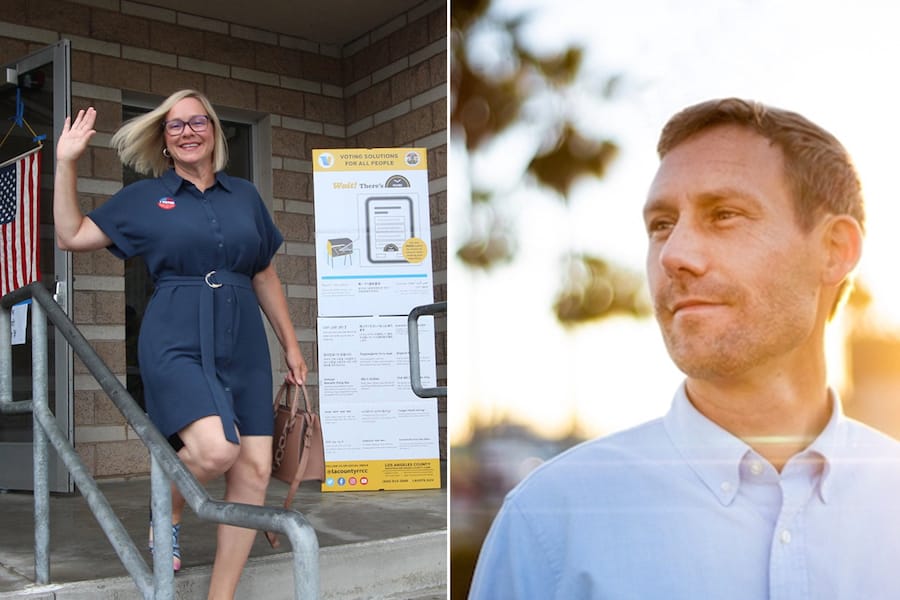
Two Democratic lawyers are running to fill an open city council seat in Los Angeles’ 11th district (located in the Westside of the city): Traci Park, a municipal lawyer who has worked in both the private and public sectors, and Erin Darling, a civil rights attorney.
Voters will decide if the district will continue to be represented by an outspoken progressive liberal like Darling, who is endorsed by current seat-holder Mike Bonin, or move further to the center with Park, who has been described in the press as “representing a more law-and-order approach” to Los Angeles’ ever-increasing homelessness and public safety issues.
The juxtaposition of the two candidates can be seen in their endorsements. Darling is endorsed by several Democratic groups and clubs in the Los Angeles area, including the Los Angeles County Democratic Party.
Park has endorsements from several law enforcement groups, firefighter associations, the Los Angeles Area and Hollywood Chambers of Commerce. She also has the support of more moderate Democrats in the state including State Treasurer Fiona Ma, former LA Mayor Antonio Villaraigosa, and LA City Controller Ron Galperin.
Homelessness, the issue that is dominating Los Angeles politics, shines a light on the different approaches Darling and Park would take if elected. The LA Times wrote in its endorsement of Darling:
“Darling has rightly said that the only way to significantly reduce homelessness is to provide more shelter and interim housing along with permanent housing. It will fall to Darling to help his constituents understand that necessity while hearing out their concerns and brainstorming with them about ways to build housing that blends into neighborhoods.”
Park’s priority, on the other hand, is ending encampment living. Her website says:
“We cannot and will not criminalize poverty, addiction, or mental health disorders – but we can and must insist upon clean and safe streets, parks, and neighborhoods… Traci will collaborate with CD11 residents, stakeholders, and subject matter experts to ensure that people are sheltered and public spaces are safe.”
Los Angeles County Board of Supervisors – District 3
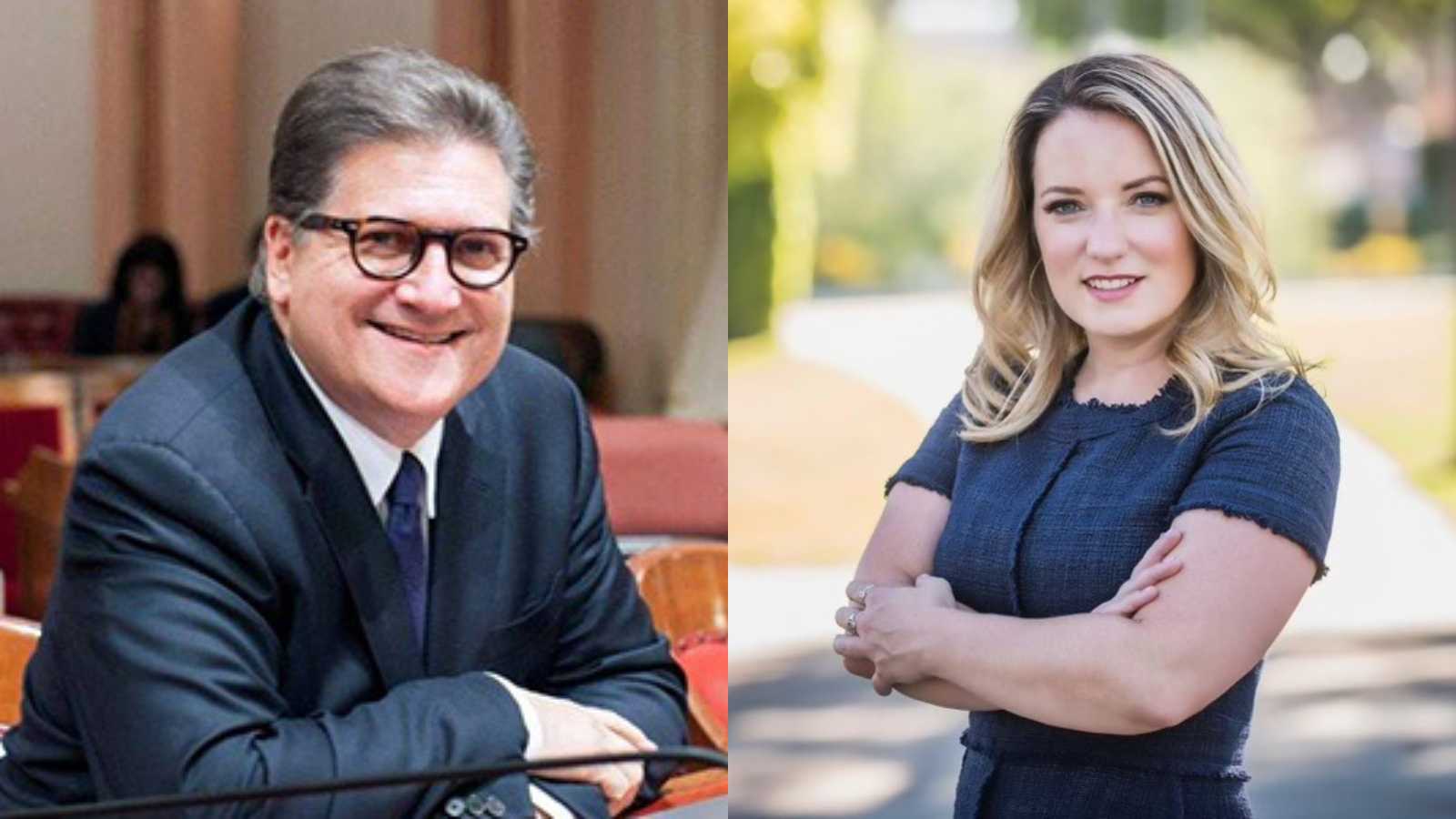
A lot of eyes are on the race for LA County’s third supervisors district as it features California Senate Majority Leader Robert Hertzberg and someone who represents new, more progressive blood in the Democratic Party, West Hollywood Councilmember Lindsey Horvath.
Hertzberg is a seasoned veteran in California politics. Prior to being in the Senate, he served as State Assembly Speaker and is known for not being afraid to challenge his own party.
Horvath has made a name for herself in local politics a little differently. She was elected to the West Hollywood City Council at the age of 33 and was sworn in to serve as the city’s mayor in 2015.
Nick Antonicello of Yo! Venice writes of the District 3 election:
“Horvath is the prodigy and the candidacy of the progressive left, while Hertzberg is the ‘nuts and bolts’ policy wonk with decades of political experience who finished first in the June Primary.
A former assembly Speaker and candidate for LA Mayor (2005), Hertzberg has strong backing in the Valley portion of the district that [Political Consultant & Strategist Crystal M.] Litz believes is a game changer.”
It is worth noting that the winner of the election will represent over 2 million constituents. This single county district has a population larger than 14 states, which further underscores why it is getting so much attention.
California Assembly District 10 - Sacramento
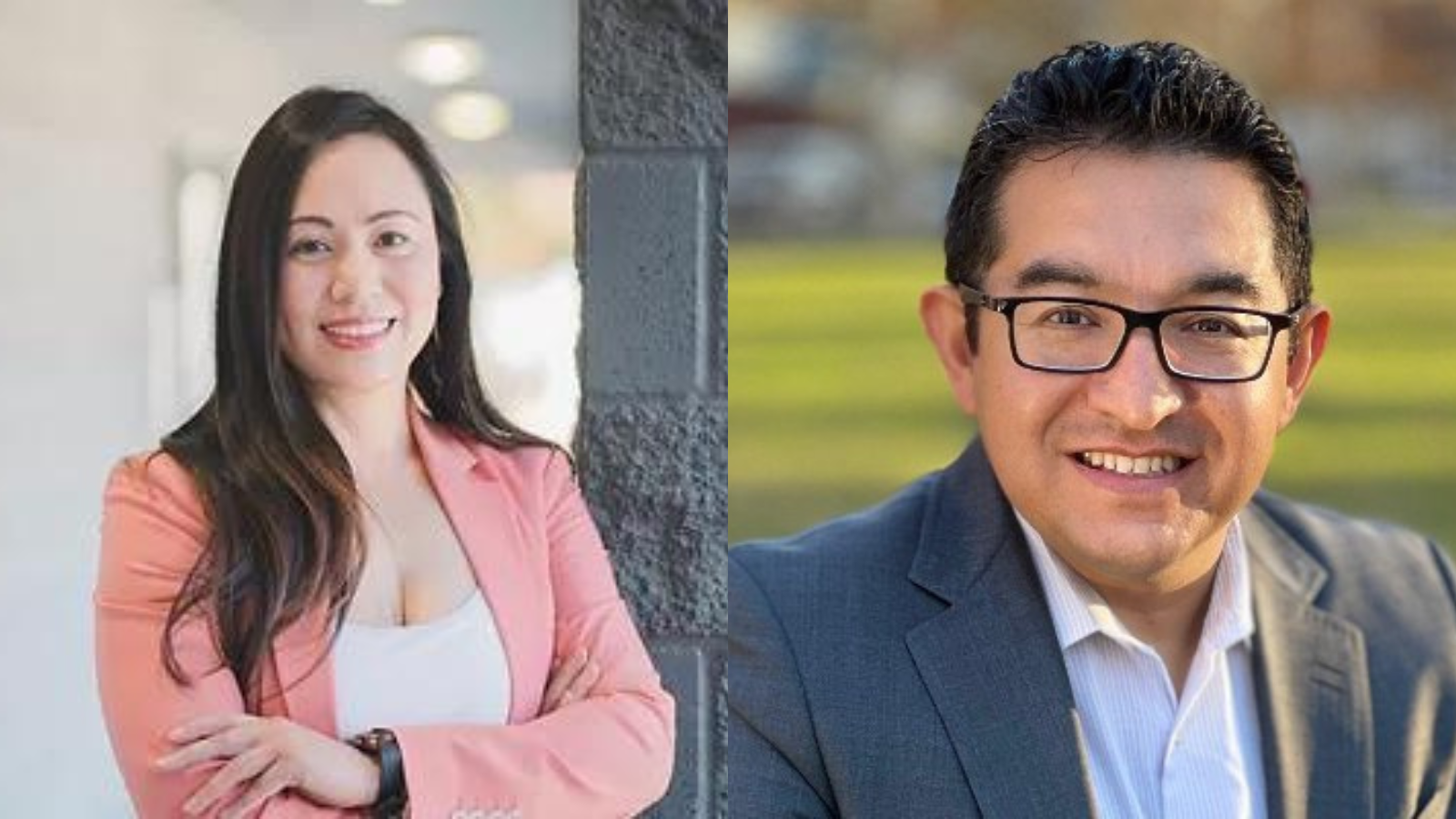
Editor's Note: An early version of the article mistakenly used a picture of California State Treasurer Fiona Ma, who is referenced earlier in the piece as a supporter of Traci Park in the election for LA City Council District 11. The picture has been corrected to include Elk Grove Councilmember Stephanie Nguyen (Left) and Eric Guerra (Right).
Partially located in Sacramento, CalMatters lists the election for Assembly District 10 as a “Hot Race,” and one for voters to watch. The district is decidedly safe for Democrats, but has a sizable independent voter population to sway an election between two Democrats.
CalMatters writes:
“With incumbent Jim Cooper vacating the seat for a successful run for Sacramento County sheriff, this race pits two Democrats against each other: [Stephanie] Nguyen, an Elk Grove City Council member, and [Eric] Guerra, a Sacramento City Council member. Nguyen edged out Guerra as the top vote-getter in the June 7 primary. Eric Rigard, the lone Republican among the five candidates, finished a close third. He died on June 21 while the votes were still being counted.
Guerra, a former neighborhood leader, has the backing of a broad coalition that spans labor groups as well as Realtors. He’s running on a platform of improving education and housing affordability. Nguyen, who is a nonprofit director, has been endorsed by moderates including Cooper, but also more progressive Assemblymember Kevin McCarty, also a former Sacramento council member. Her pitch: Boosting the economic recovery.
Ads and mailers attacking Guerra during the primary framed the race as the suburbs versus the city, including one that stated: ‘We don’t need Sacramento politicians representing Elk Grove.’”
The primary results were close between Nguyen and Guerra, with Nguyen getting 29.9% of the vote, and Guerra coming in second with 29.4%.
No Party Preference registration is at 22.6%, which means that as these two candidates closely divide the Democratic vote, independents will ultimately determine who will win the election.
California Senate District 10 - Eastern Bay Area
No Party Preference voters make up almost 30% of the registered voting population in California Senate District 10. This makes independents a coveted segment of voters in a district where candidates have to distinguish themselves from members of their own party.
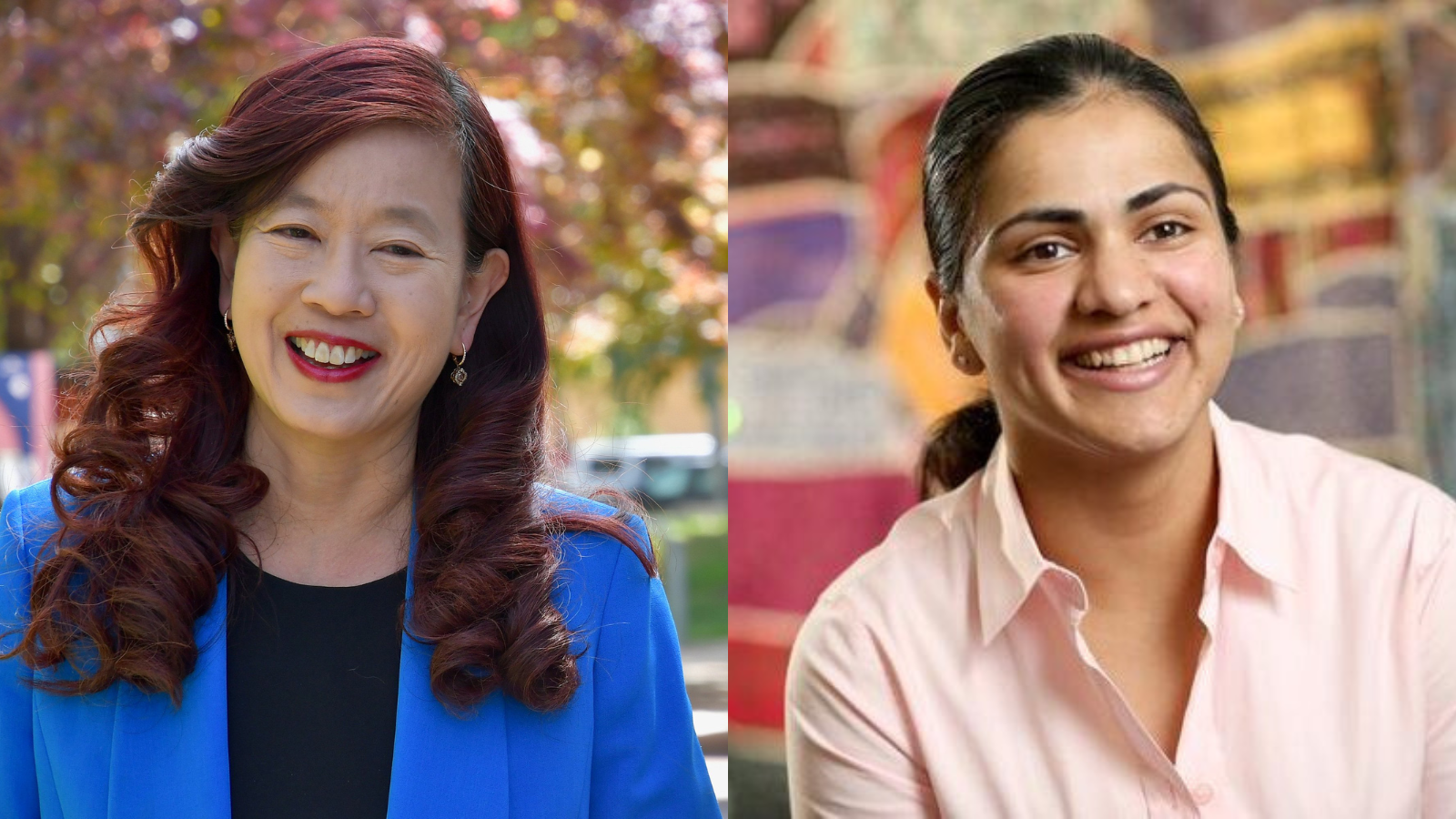
Fremont Mayor Lily Mei and Hayward City Councilmember Aisha Wahab are competing for an open state senate seat left vacant by a term-limited Bob Wieckowski. It is another election considered a “Hot Race” by CalMatters.
Here is what they have to say:
“Mei’s backers include an ideological mixed bag: Sam Liccardo, the San Jose mayor and pension reform advocate, but also Ro Khanna, one of the more outspoken progressives in California’s congressional delegation. Mei, herself, is running a largely non-ideological campaign, touting her nuts-and-bolts accomplishments in city governance. But there’s been no confusion among outside spending groups as to where Mei stands ideologically compared to Wahab. She has been a massive beneficiary of business groups and other familiar forces of moderate Democrats.
Wahab, who is seeking to become the first Afghan woman elected to state office in California, hails from the north end of the district as a Hayward city councilmember. As the Democratic Party pick with closer ties to the regional center of power in San Francisco and Oakland, she has the support of organized labor, progressive advocates and heavyweights in the party including Attorney General Rob Bonta and Wieckowski.”
In the primary, Wei garnered the most votes in a crowded field with 33% of the vote. Wahab took 30%.
Read CalMatter’s full breakdown of the race here.
California Assembly District 35 – Central California
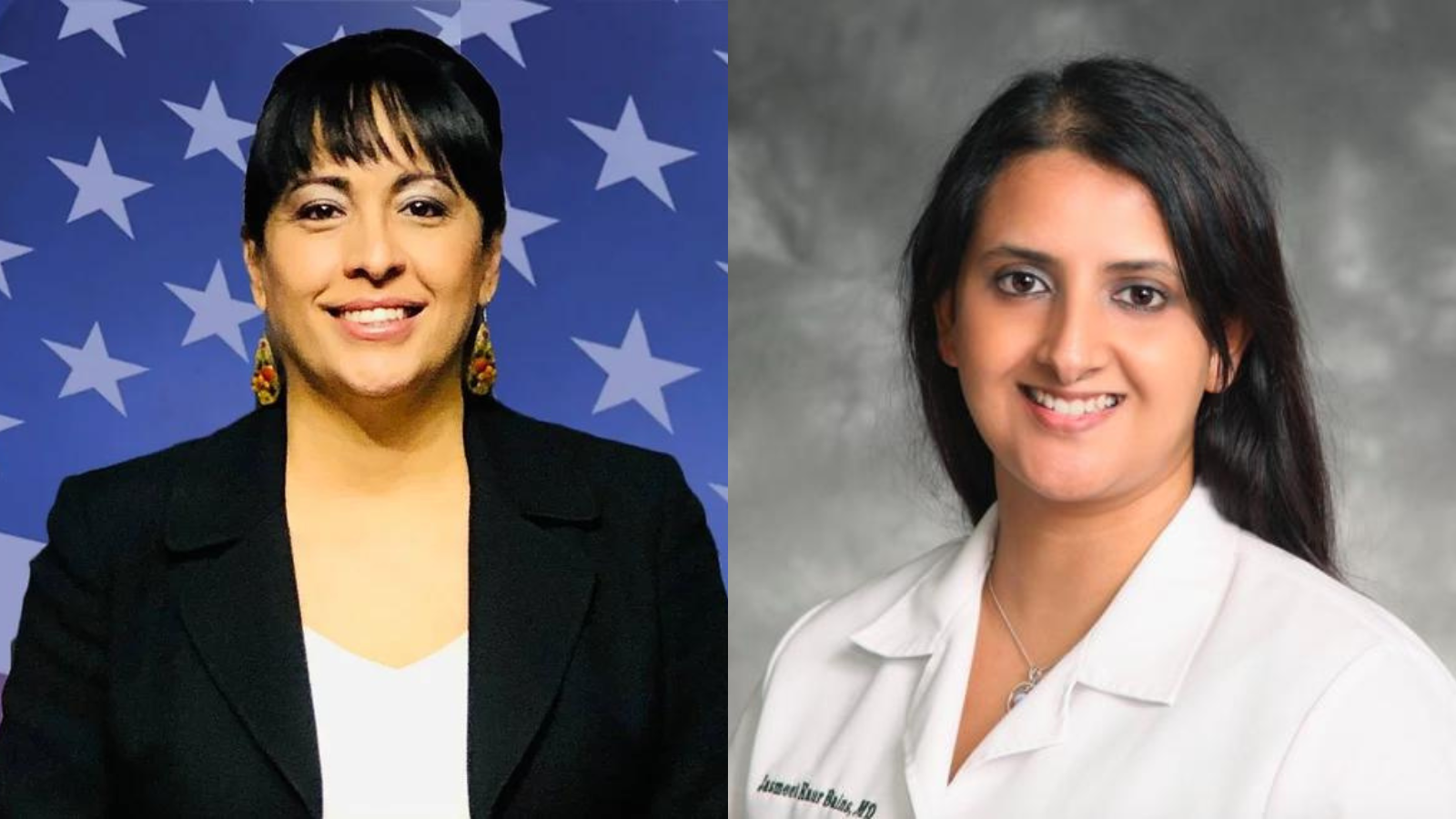
The race for California Assembly District 35’s open seat is expected to be one of the most competitive and one of the most expensive races in the 2022 election cycle. Only two candidates ran in the primary, which ensured both a spot in the November election.
Having two candidates in the primary gave voters a preview of how close the matchup between Kern County Supervisor Laticia Perez and physician Jasmeet Bains could be depending on how voters turn out. Perez barely won the primary with 50.5% of the vote to Bains’ 49.5%.
As the two divide the Democratic vote, it will be critical for the winning candidate to reach out to No Party Preference voters (23.1% of registered voters) and Republicans (22.3% of registered voters).
CalMatters writes:
“Perez is a Kern County supervisor, a lawyer and the preferred candidate of the Democratic Party and labor unions.
Bains, medical director of a network of Bakersfield substance abuse treatment centers and the more moderate candidate, has the backing of some Democrats – including state Sen. Melissa Hurtado and Assemblymember Evan Low — as well as law enforcement unions and the state’s medical lobby. Bains was initially drawn outside the district she planned to run in, but moved into this district so she could run.”
California Assembly District 80 - San Diego
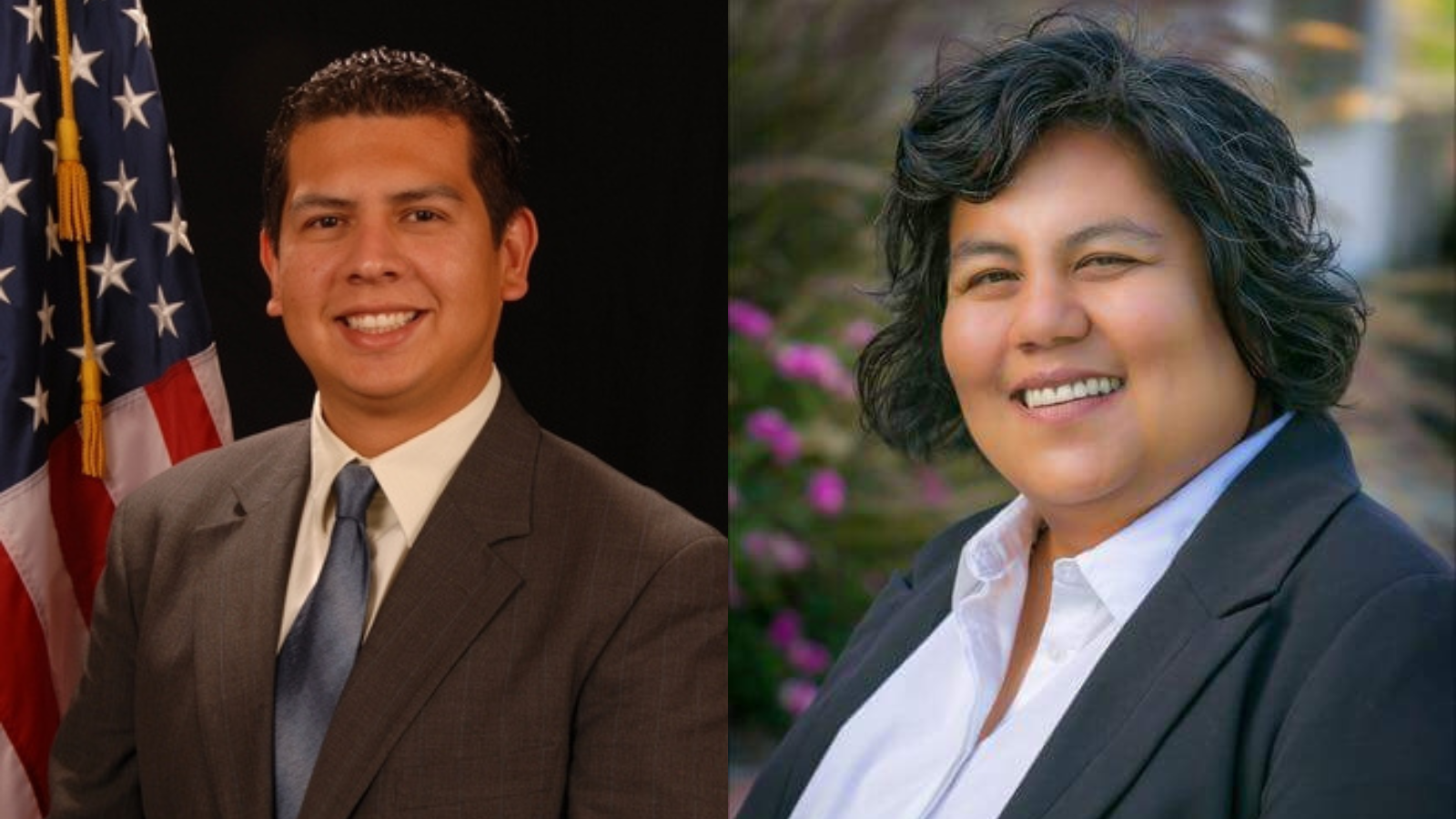
Only one candidate is actively running for office in Assembly District 80 – interim incumbent David Alvarez. This does not mean, however, that voters do not have a choice this election.
Environmental activist and entrepreneur Georgette Gómez challenged David Alvarez in the June primary as well as the special election to fill in a seat vacated by former Assemblymember Lorena Gonzalez.
Gomez lost the special election, but won the primary with 37 percent of the vote. However, in September she suspended her campaign as Alvarez garnered substantial party support.
Her name is still on the ballot, and if voters wanted, they could still vote for her.
The contest was between two well-known public figures in the district. Prior to winning the special election to replace Gonzalez for the remainder of her term, Alvarez served on the San Diego City Council for 8 years.
Gomez also formerly served as City Council president and was Goinzalez’s initial pick in the race.
The San Diego Union-Tribune Editorial Board wrote back in March:
“Because of their years on the council, both have track records of bringing others to the table, and both seem equipped and ready to serve constituents well. Before some other California politicians zeroed in on pressing housing problems, Alvarez worked with Republican Councilmember Scott Sherman on housing issues, easing accessory dwelling unit construction, and streamlining and removing roadblocks to homebuilding. Gómez worked with groups long in conflict in San Diego to advance an inclusionary housing ordinance…
They do have differences. Alvarez was far more critical of Gov. Gavin Newsom and the state Legislature’s uneven response to COVID-19. He called it “poor.” Gómez said it was “good.” Gómez seemed generally more receptive to tax hikes — she said she would “definitely support a wealth tax” while Alvarez was noncommittal — but Alvarez said he’d look at taxing people’s second (and third, etc.) homes more. Both take the climate emergency seriously”
In July, Alvarez announced the consolidation of support among Democratic leaders and officials, including the California Senate Pro Tempore, California Assembly Speaker, several members of the legislature and mayors of District 60.
With Gomez having suspended her campaign, despite garnering more votes than Alvarez in the primary -- perhaps -- AD80 is the first race in California where NPP and Republican voters have already made a difference in a district dominated by Democratic Party voters.