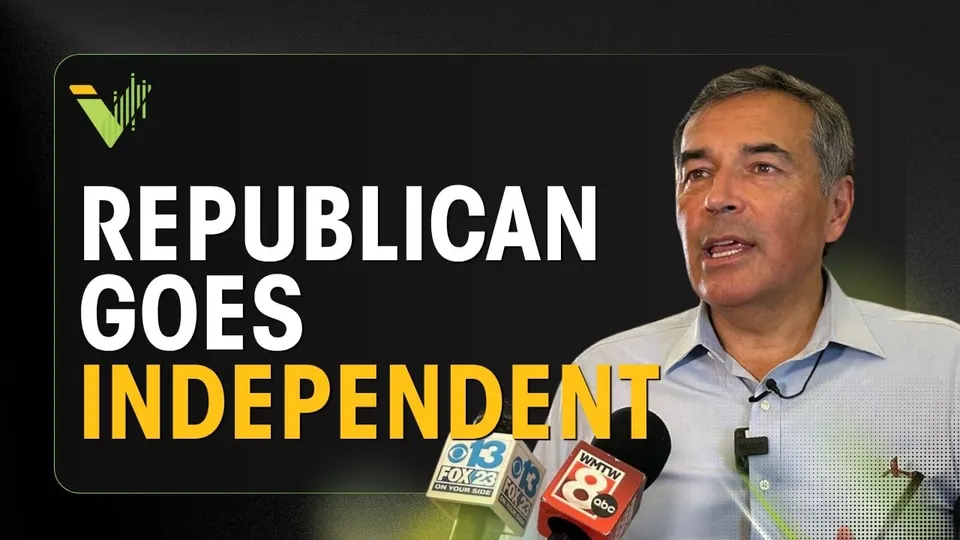
Former Maine Republican Senate President Rick Bennett is running for governor as an independent, arguing that the two-party system itself is corrupt and a major cause of government dysfunction.
From a national popular vote and ranked choice voting to proportional representation, court reform and a constitutional right to vote, Rob Richie argues the next era of American democracy will require rewriting the rules.
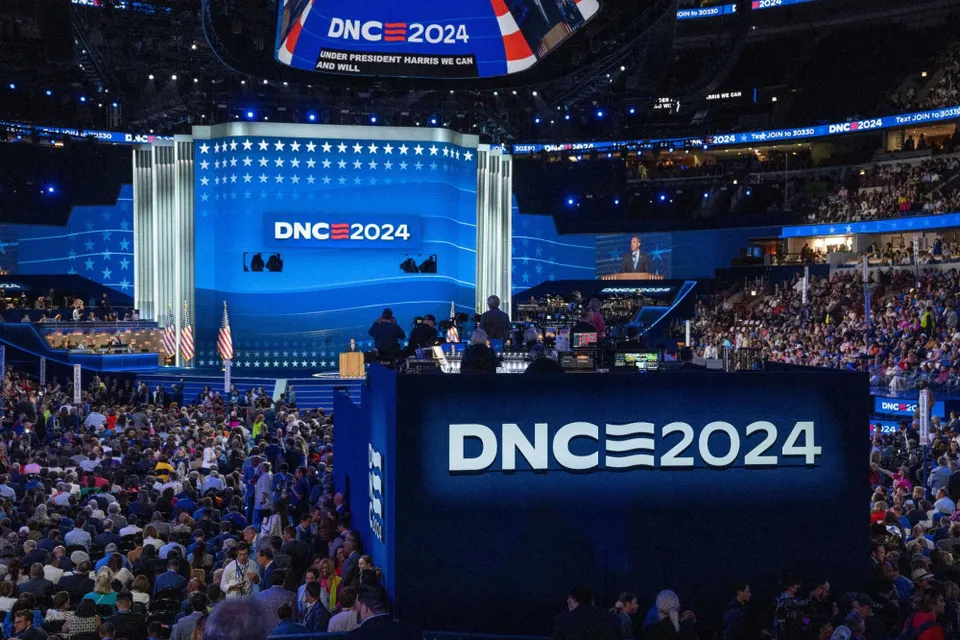
The Democratic National Committee reversed its proposed ban on ranked choice voting in the 2028 presidential primary after backlash from party members and reformers, reverting delegate selection rules to their 2024 language.
Over 68,000 Wisconsin Democratic primary voters cast ballots for candidates who dropped out before the election, highlighting how ranked choice voting could prevent votes from being wasted when candidates exit the race.
Elon Musk has funneled $1.5 million into efforts to repeal Alaska's Top Four open primary system, which lets all voters participate in primaries regardless of party affiliation.
Both the Democratic and Republican national committees are now opposing ranked choice voting, with the DNC set to vote Saturday on banning it in 2028 primaries even in states where voters approved it.
Democratic National Committee are close to adopting a ranked choice voting ban in the 2028 presidential primary, despite its use in Maine and Washington, D.C. state law.
Maine and Washington, D.C. may still use ranked ballots, but Democrats would allocate delegates as though voters never ranked anyone beyond first place.
Prediction markets are already pricing in a post-Platner race—and the name that is closing the gap with Collins before any announcement has been made may help the party avoid a full Joe Biden situation.
From ballot access and open primaries to independent candidates and ranked choice voting, these groups are shaping the next phase of the voter-first reform movement.