Who Pays for Party Conventions?

 Bianca Ciotti
(Andrew Harnik / The Washington Times)
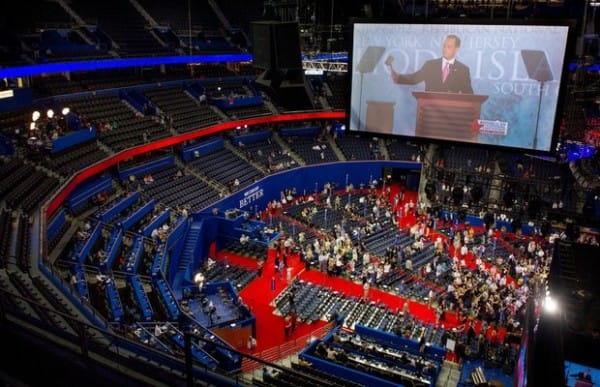
Just who pays for party conventions? Taxpayers may be surprised to learn that at least in part, they do.
According to the Federal Election Committee, both the Republican and Democratic parties "received initial payments of $17,689,800 from the U.S. Treasury" to cover costs for their national conventions. Partisan and independent voters alike might be dismayed to learn about the growing amount of taxpayer money being siphoned from federal taxes and granted to the Republican and Democratic parties even though they are private organizations.
Special interest groups are prohibited from financing conventions independently to prevent the growing influence that outside organizations hold over political parties. In the 1970s, the FEC first allotted each party two million dollars in order to balance the funds supplied by special interest groups. Since then, that amount was raised a number of times, and adjusted for inflation. Today, the FEC donates over eight times their original appropriation.
Taxpayers may be familiar with a check box located on the top of their federal tax returns, labeled "Donate X Amount to the Political Process." The funds donated by taxpayers who check this box are then used to pay for party conventions. Over $220 million has been spent by the federal government to fund conventions since 1976.
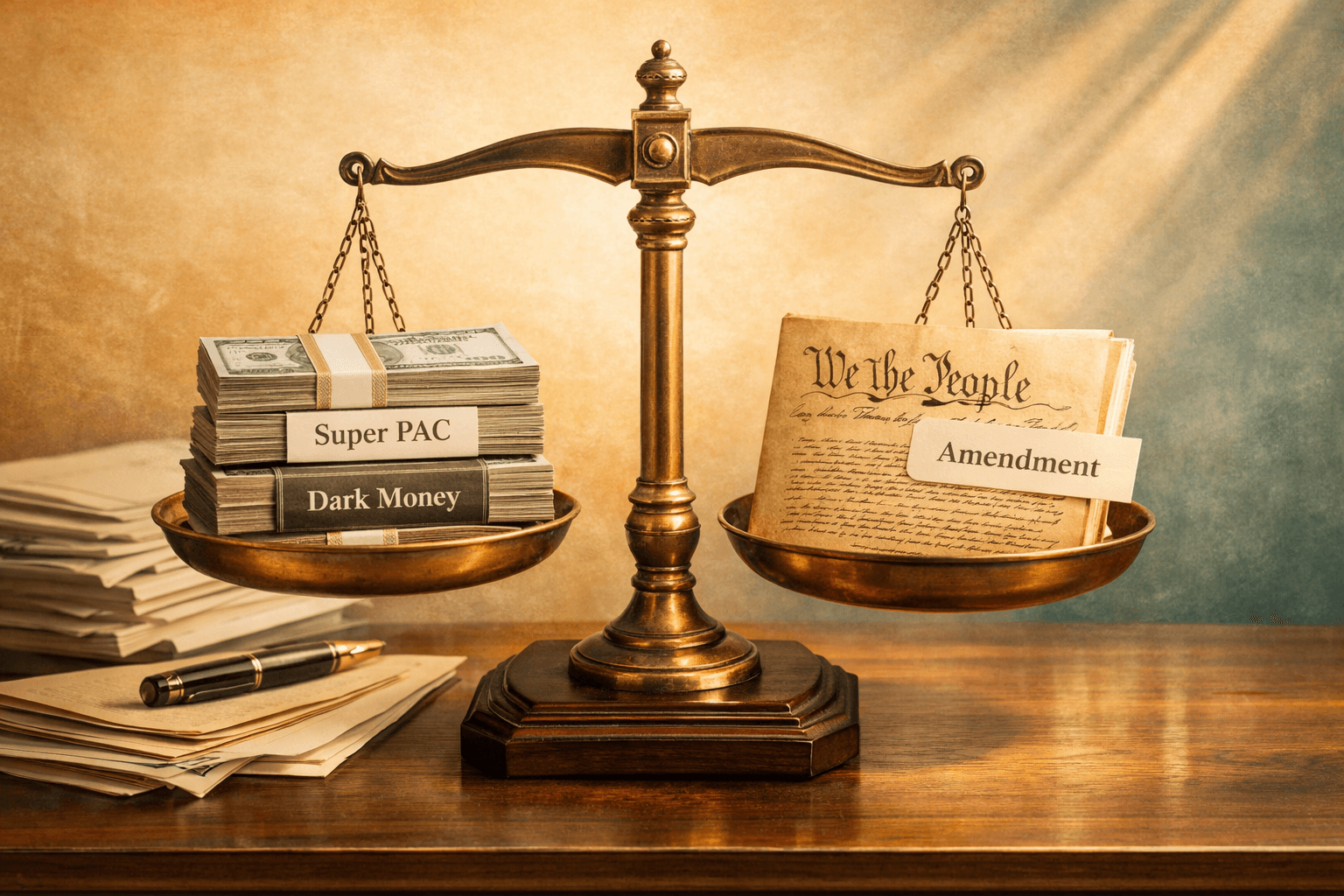
Federal funding for political conventions was an attempt to reduce the influence of outside special interests in the political process. However, special interest groups far exceed the amount of federal funding provided by nearly 3 dollars to every 1. The practice of providing federal funding for political conventions is an antiquated system that many, including a majority of US senators, believe should be abolished.
Earlier this year, the Senate voted in favor of an amendment which would abolish federal funding of party conventions. Supporters of the amendment hope that 2012 will be the last election year that taxpayers partially fund conventions. Both candidates have rejected federal funding for their campaigns, choosing instead to privately fund their election bids.
As the RNC continues this week, taxpayers will watch with a critical eye as Republicans lavishly announce their nomination. Did their hard earned money go towards paying for those balloons? Or perhaps the confetti? Taxpayers who donated funds to the "political process" on their tax forms should be sure to enjoy a glass of champagne and toast to the upcoming amendment, because there is a politico at the convention enjoying a glass that they bought.
You Might Also Like