Tumblr, Money, Corruption, and Overturning Citizen's United

 Jane Susskind
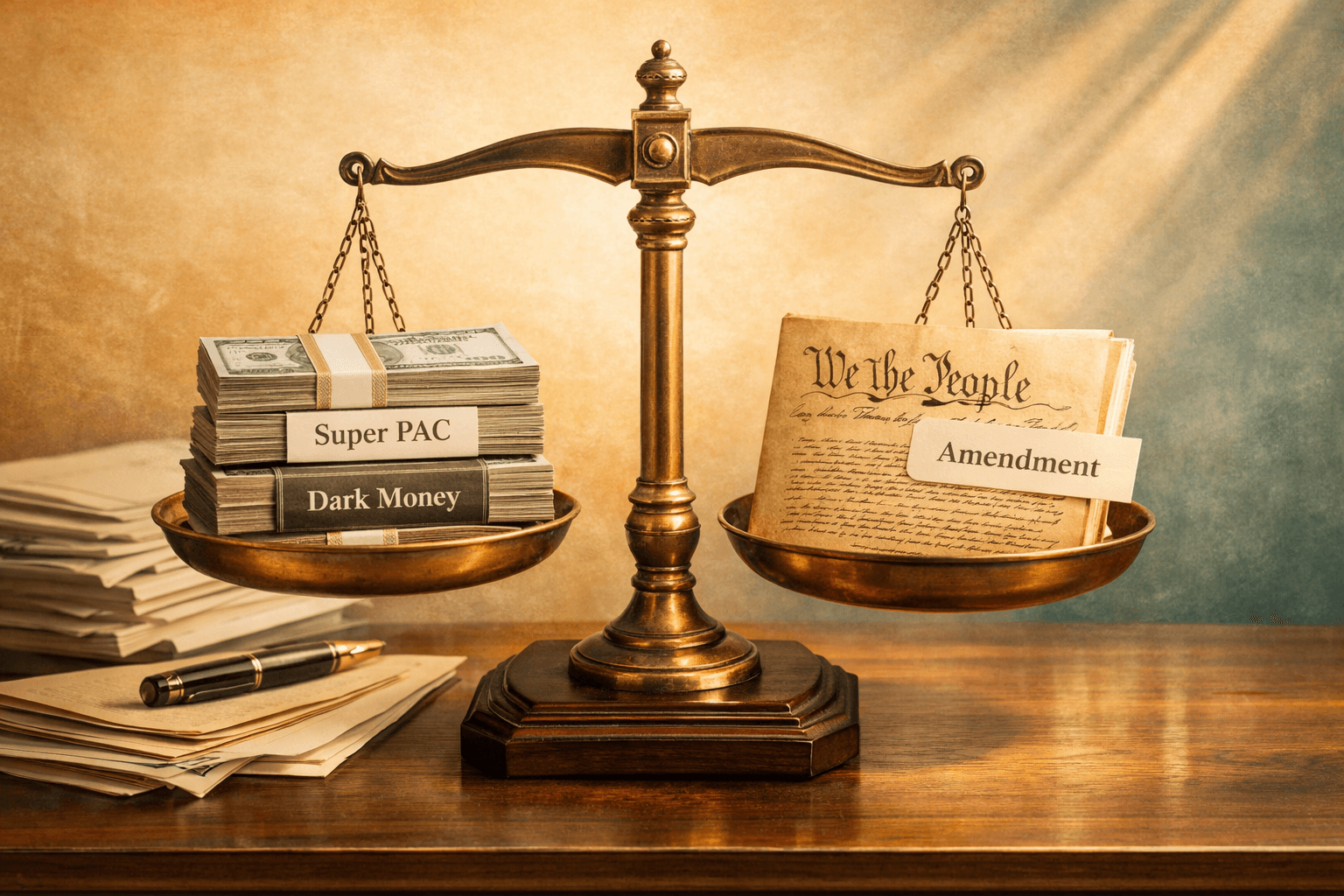
Amidst the dysfunction that has shut the government down for a full week now, the Supreme Court has opened its doors to a new term. From affirmative action to the separation of powers, the Supreme Court has its work cut out for itself this year, with media attention focused on McCutcheon v. Federal Election Commission, projected to be the next Citizens United.
The case centers around the definition of corruption as it relates to placing limits on campaign contributions.
What is less known about this case, however, is Lawrence Lessig's submission of a Tumblr page collecting every use of the term “corruption” among the records of the Framers to the Supreme Court as an appendix to his amicus brief. Lessig, the Harvard Law professor filing the brief explains:
Tumblr With a total of 140.4 million blogs online, Tumblr is one of the
fastest growing social networks this year.
Once overwhelmingly populated by a younger demographic, Tumblr has become an easy to use blogging platform, allowing users to selectively aggregate and share information in a professional style.
"Tumblr’s whole design ethos and structure may be a kind of intentional synecdoche for how discourse — scholarly, legal, hypertextual — works," Robinson Meyer writes in The Atlantic.
It allows bloggers to share quotes that are pertinent to their lives, craft original content sharing insights into profession, grants users the function to "reblog," or share other people's Tumblr posts, while allowing for additional commentary.
A Tumblr blog lives online as a representation of a user, created with the assumption that communication encompasses all forms of expression and creativity is collective.
In this instance, Lessig is using Tumblr to prove a point.

In 1976, the Supreme Court held that the government has a compelling interest in preventing "corruption or its appearance" in Buckley v. Valeo. The court used this definition to justify placing limits on direct contributions, arguing that the risk of "quid pro quo" transactions -- where candidates would agree to perform a certain action if elected -- presents a risk of corruption.
In 2010, the Supreme Court built upon this one-dimensional definition of "corruption" to rule that limits on independent expenditures by corporations violated their First Amendment right to free speech. The majority opinion of Citizens United v. FEC, written by Justice Kennedy, reaffirmed that the only type of "corruption" that justifies government control is "quid pro quo."
In aggregating every instance in which the Framers referenced corruption, Lessig is trying to expand the definition of "corruption" to include "dependence corruption," a form of corruption he believes to be recognized by the Framers as a direct threat to democracy.Why? .
argues
In compiling a total of 325 quotes and letters depicting the multitude of definitions and risks implied with the word "corruption," Lessig is using modern technology to convey traditional meaning.
Through Tumblr, he attempts to convince the Supreme Court that aggregate limits play a vital role in preventing elections from becoming dependent on high-dollar donors.
How do you define corruption?
You Might Also Like