
Independent Voters Critique Pennsylvania's Closed Primaries
 Lucas Eaves
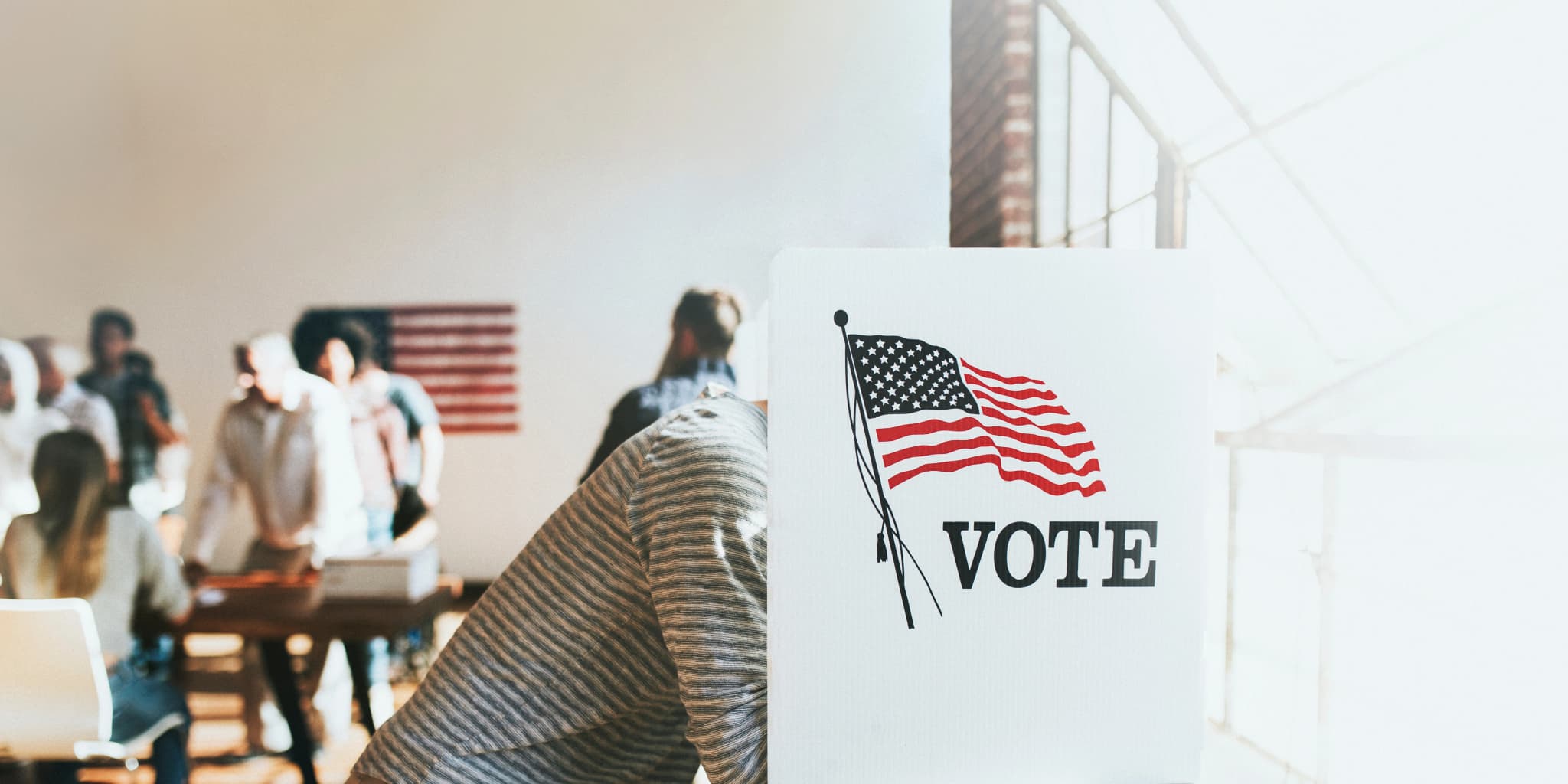
On Tuesday, Pennsylvania held primary elections where voters could choose either a Democrat or Republican candidate who would then proceed to the November ballot in the state's municipal elections. Like 17 other states, Pennsylvania has a closed primary system, meaning that only voters registered with the Democratic or Republican parties are allowed to vote. This system prevents over 1 million voters, who have registered as independent or with a minor party, from voting in the primary.
However, like in all states, these partisan primary elections are ultimately funded by the taxpayers. For this year's primaries, the bill is estimated at $20 million. Although such a system has historically been the status quo, a growing share of independents in the American electorate are now speaking out.
On Tuesday, Matt Zencey, a writer for Pennlive and The Patriot-News, published a piece in which he argues that the closed primary system in Pennsylvania potentially violates the state's constitution:
"Then there’s that whole “free and equal” elections thing in the Pennsylvania constitution. Although the courts have yet to consider the question, I believe that a taxpayer-funded election which excludes a particular class of duly registered voters is not “free and equal” under Pennsylvania’s constitution."
More ideas to address this issue are currently being discussed. State Sen. Rob Teplitz supports a bill that would allow independents to register with one of the two main parties in order to vote in the primary before reverting to their original status. Yet, this remains a cumbersome process that would still not offer true equality to voters not registered with the two main parties, leaving many non-party affiliated voters feeling separate, but equal.
Matt Zencey and Jennifer Bullock, founder of Independent Pennsylvanians, both consider the nonpartisan top-two open primary a likely solution to the issue. A third solution, evoked by Barry Kauffman from Common Cause, could be to make the parties pay for their primaries.
You Might Also Like


