 Christopher Gerlacher
Does a loudmouth in your family believe that AOC is on track to be the 2028 Democratic nominee or that Trump will be impeached by Christmas? Prediction markets tell very different stories.
Prediction market platform Kalshi gives AOC a 9% chance of being the Democratic presidential nominee, well behind Gavin Newsom’s 37%. As for a third Trump impeachment, he only has a 1% chance of being impeached by New Year’s Day 2026, with odds rising to 56% by Jan. 1, 2028.
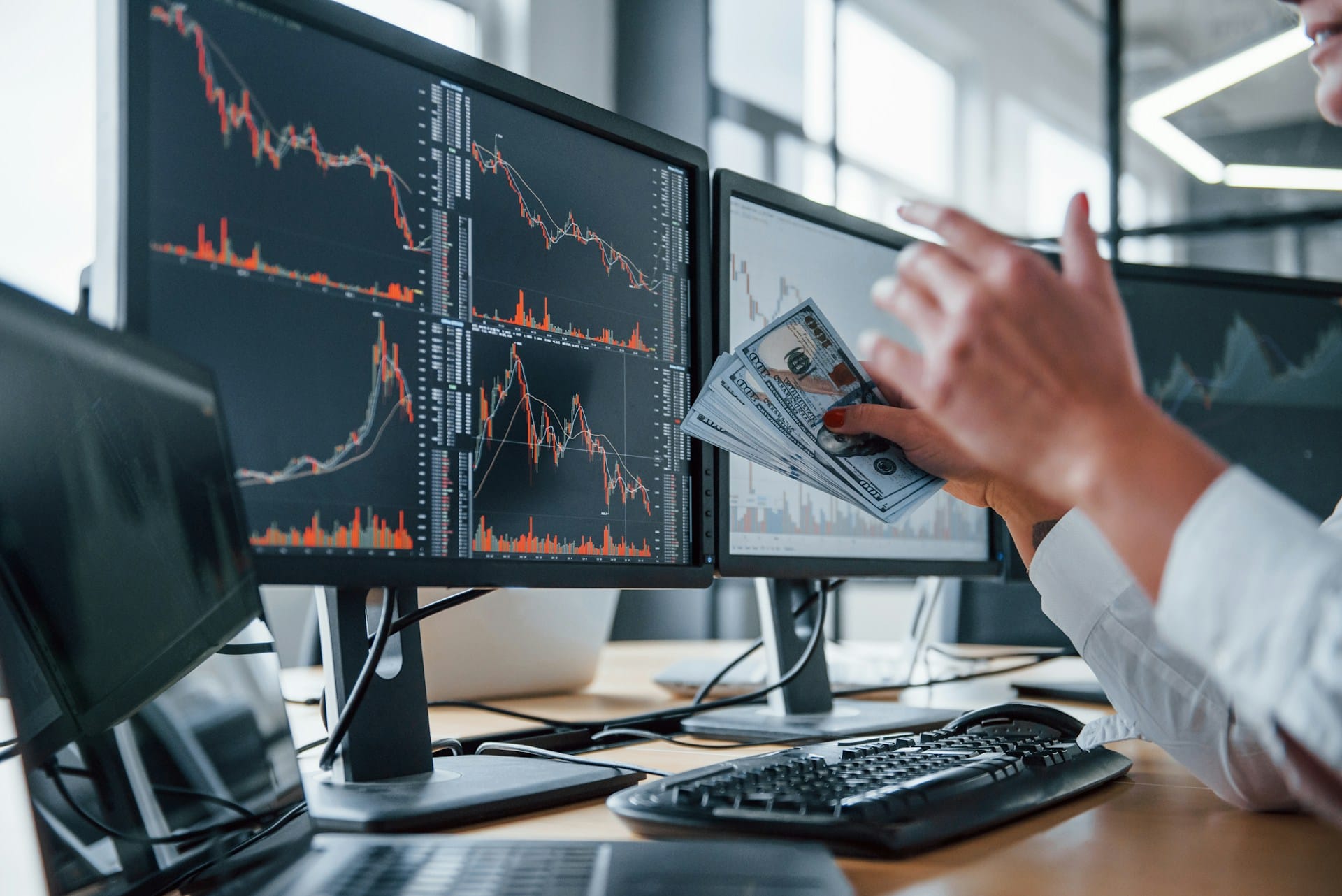
Instead of rewarding the loudest voices, prediction markets give clear, impartial pictures of the likely futures before us. They cut through the noise of online political commentary and cable news punditry by forcing people to put their money where their mouths are. Finally, they offer ways to hedge against the financial risks of political outcomes that may be difficult to predict through polling alone.
Reading the News Through Market Odds
On a prediction market platform, traders can bet on whether an event will happen. The value of “Yes” or “No” contracts reflect the probability that an event will or won’t occur. For example, a 70-cent “No” contract implies a 70% chance of that event not happening.
Take some odds for Monday, Dec. 1:
- The odds of Trump nominating Kevin Hassett as Fed Chair surged from 39% to 73% in just over a week
- The odds of Pete Hegseth being the first to leave Trump’s Cabinet fell from 60% to 34% in less than a week
- The odds of a 25 bps rate cut in December remained steady at 89%
People familiar with the details of these stories may find that the odds make fine sense. But for those who lack the bandwidth to follow them–along with every other consequential story pouring out of the Trump White House–accurate crowd-sourced forecasts offer a snapshot of what’s coming next.
Wise Crowds and Skin in the Game
Prediction markets can arrive at a forecast because of two related incentives: the wisdom of crowds and skin in the game.
The wisdom of crowds is more than getting a group together and throwing out a guess. Anyone who has worked a corporate job has seen groupthink and its idiocy in action. In contrast, a wise crowd is:
- Diverse - Errors correct each other until a market consensus is reached
- Decentralized - Users apply local knowledge instead of having a consensus handed down from on high
- Independent - Forecasters make their own judgments instead of copying each other
- Aggregated - All the viewpoints get boiled down to a single forecast
Large-scale prediction markets draw enough traders to cancel the most extreme voices out and arrive at a reasonable likelihood of an event occurring. That scale is crucial to capturing local insights that may not be obvious to pollsters.
For example, a Polymarket user made over $80 million on Trump’s 2024 victory by commissioning his own private polls showing support for Trump that pollsters weren’t capturing. Respondents to his polls reported many of their neighbors were likely to vote for Trump, revealing the “shy Trump voter” effect that has led the last three cycles of presidential polling to underestimate his chances of winning.
Sharp traders devour any information they can find to find edges. They’re the ones with skin in the game, meaning they lose their own money if they’re wrong. No one else can take the fall if an eight-figure bet goes the wrong way.
What About the Gambling?
CFTC-regulated prediction market platform Kalshi has prided itself on bringing new hedging and forecasting instruments to the public. Traders can use event contracts as insurance against most real-world events, from rainfall amounts to political and economic outcomes.
Users can also use event contracts to gamble, as many do on increasingly popular sports contracts. Sports comprised 90% of Kalshi’s trade volume in September 2025, and several prediction market platforms and brokers are in litigation with state gaming commissions over sports contracts, which compete with state-regulated sportsbooks.
Most of the users trading in derivatives markets are speculators–gamblers by any other name. However, prediction market platforms also offer interest payments on qualifying positions, hedging opportunities, and forecasts that non-traders can use without trading themselves.
That is the trade-off of widespread retail access to event contracts. The gambler’s willingness to trade a contract makes another user’s ability to hedge possible. If many gamblers accept contracts at certain prices, that price becomes the forecast that non-traders and traders alike can glean insight from.
The hedging utility may be far lower and forecasting less valuable in sports markets than in other categories. But as the court battles over sports contracts unfold, political event contracts continue to offer real-time objective insights that digital punditry fails to match.
Even mainstream news sources are turning to prediction markets to complement political coverage. Kalshi announced a partnership with CNN on Dec. 1, shortly after Time Magazine announced a prediction market venture with Galactic.
Prediction markets are more than financial exchanges or speculative platforms. They’re checks on punditry in a media environment overrun with it.