How the 'Politics Industry' Breaks Everything: ICE, CA Governor’s Race, and Reform

How the 'Politics Industry' Breaks Everything: ICE, CA Governor’s Race, and Reform
Image: IVN staff
Published: 05 Feb, 2026
2 min read

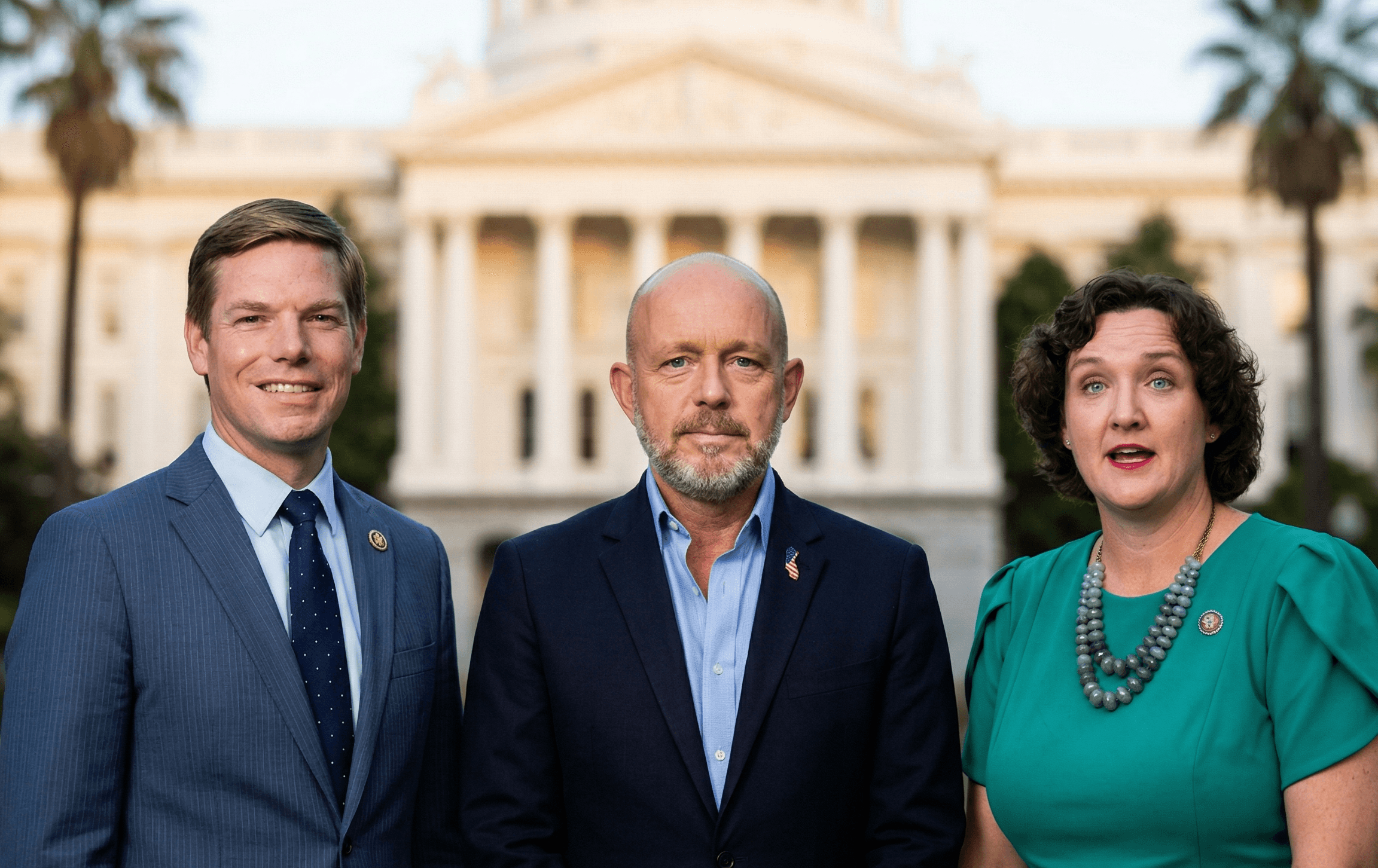
Steve Peace -- co-founder of the Independent Voter Project and architect of California’s Top Two primary -- breaks down the wide-open California governor’s race and why campaigns still think in party buckets. The hosts dig into open primaries plus ranked-choice, ICE/immigration and civil liberties, voter ID and ballot security, and the controversy over seized Fulton County ballots, Plus, a quick update on Attack of the Killer Tomatoes and the USS Midway’s Freedom Park.

Episode Highlights

This episode centers on the emerging California governor’s race, the fragmentation of traditional party coalitions, and how open primaries and nonpartisan election systems are reshaping campaign strategy. Peace argues that no candidate has a clear lead and that billionaire self-funded campaigns, while highly visible, historically struggle in California.
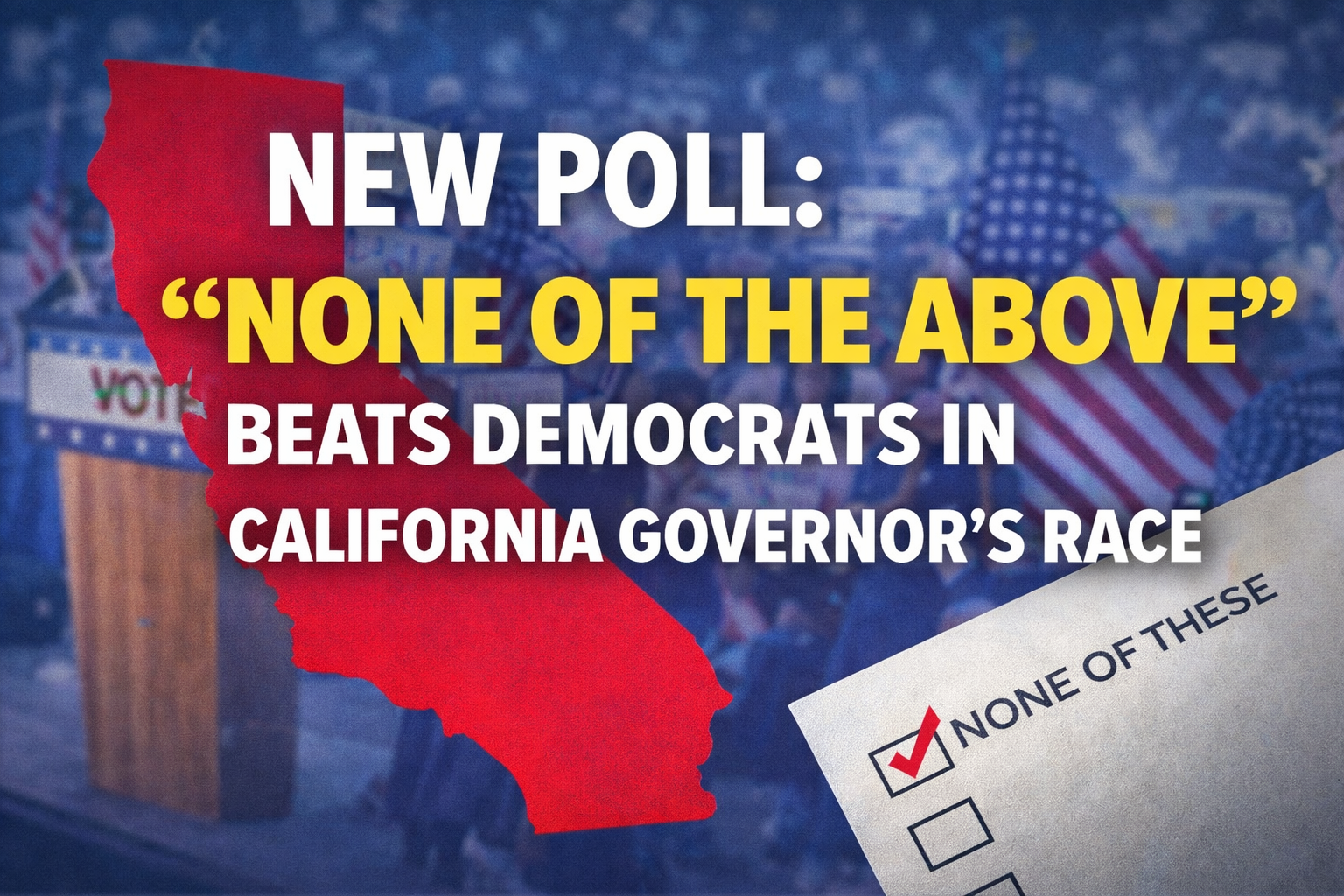
NEW POLL: California Governor’s Race Sees “None of the Above” Beat the Entire Democratic Field

He highlights growing voter exhaustion with ideological extremes and notes a slow but real rise in demand for “no-drama,” problem-solving leadership. A critical point he makes is that most campaigns still operate as if California had a closed, partisan primary system, despite the reality of a Top Two nonpartisan open primary.

It has left candidates ill-prepared to appeal to independent voters (registered No Party Preference in the state), who ultimately decide highly competitive elections.

The conversation then pivots to structural reform, emphasizing the powerful combination of open primaries and ranked choice voting (RCV) as a way to reduce polarization, discourage manipulation by political consultants, and give voters meaningful choice. Peace explains that closed primaries incentivize extremism and suppress participation, while nonpartisan election models can shift incentives.

Alaska’s Top Four primary with RCV, for example, has produced broader coalitions, higher engagement from underrepresented communities, and more pragmatic governance. Cara, Shawn, and Steve repeatedly frame this as a voter-centric movement -- focused not on promoting independent candidates, but on protecting every voter’s right to participate without joining a party.

Finally, the episode addresses national flashpoints including immigration enforcement, ICE raids, sanctuary city policies, voter ID, mail-in ballots, and renewed disputes over election integrity following federal scrutiny of ballots in Georgia.

Peace argues most Americans support “walk-and-chew-gum” solutions: removing violent criminals while creating rational legal pathways for long-term residents, and implementing carefully drafted voter ID safeguards without suppressing turnout. He criticizes both parties for exploiting fear to raise money and inflame narratives, contending that durable solutions require de-escalation, transparency, and systemic reform rather than partisan escalation.

You Might Also Like

How James Talarico Won Over Independents Amid Texas Primary Chaos
James Talarico wins Texas’ Democratic Senate primary as campaigns point to unusually high independent participation in the state’s open primary system. Then Dallas County’s last-minute switch back to precinct-only voting sparks confusion, long lines, and a legal fight over ballots cast after 7 p.m....
05 Mar, 2026
-
3 min read
Voter ID + Proof of Citizenship: Trump Goes All-In in the SOTU - What Happens Next?
Tune in for our independent breakdown of Trump’s record-length 2026 State of the Union: voter ID + proof of citizenship, immigration rhetoric, affordability vs “winning” messaging, a rare bipartisan beat on banning stock trading, and the moment the chamber unified around a Coast Guard rescue....
26 Feb, 2026
-
2 min read
Are Parties Using Election Rules to Control You? Voter ID, Texas Primaries and the FCC Power Grab
In this episode of the Independent Voter Podcast, we debate election integrity, voter suppression concerns, automatic voter registration through DMVs, and whether federalizing election rules undermines states’ rights under Article I of the Constitution. ...
19 Feb, 2026
-
2 min read
83% Want Voter ID - So Why Is Congress Fighting It? SAVE Act Explained
Throughout this episode of the Independent Voter Podcast, the central theme remains clear: Americans broadly support common-sense reforms to strengthen election integrity and government accountability, but partisan strategy and fundraising incentives continue to stall meaningful change....
16 Feb, 2026
-
2 min read
Does the 4th Amendment Apply to Everyone? ICE, Warrants, and Constitutional Rights
Does the 4th Amendment protect only U.S. citizens - or everyone on U.S. soil? Chad and Cara dig into warrants, search-and-seizure limits, and how immigration enforcement tests constitutional boundaries. They also weigh the politics of voter ID - why it polls well, how ballot measures get framed, and...
29 Jan, 2026
-
1 min read
Everyone’s WRONG About ICE: Debunking the Red/Blue Narrative
A viral question - “Has ICE gone too far?” - turns into a deep dive on immigration enforcement after the Minneapolis shooting of Renee Nicole Good. The team weighs conflicting video narratives, what voters actually want ICE to prioritize, and reports of would-be citizens being turned away at natural...
22 Jan, 2026
-
1 min read