Independent Voter Podcast
The fight over President Trump’s mail-in voting rule continues to escalate: a whistleblower leak says just one bad envelope could get an entire batch of mail ballots sent back, threatening to derail elections in states that already have ballots prepared for the midterms.
Chad, Shawn, and Ethan dig into the real mechanics of the USPS rule now tied up in its third round of injunctions, from the barcode and voter-list requirements to the states'-rights argument that could ultimately doom it at the Supreme Court. From there they connect the dots to Missouri, where the state Supreme Court just forced officials back to the old 2022 congressional map for the general election after a last-minute Secretary of State maneuver blew up. The conversation pivots to Fareed Zakaria's new mainstream case for opening up primaries to independents, and why Chad thinks "imperial presidency" might be the wrong label for what's really going on. They close out with California's messiest primary fights, where Democratic Socialists and moderate Democrats are battling it out and independent voters could decide who wins, plus a quick note on San Francisco Democrats voting down their own billionaire tax.
This episode is sponsored by the Independent Voter Project and produced by Olas Media. Listen on Spotify or Apple Podcasts.
The Independent Voter Podcast also has its own YouTube channel! If you enjoy these conversations, subscribe to our dedicated channel for full episodes, interviews, and future content.
Episode Highlights
On this episode of the Independent Voter Podcast, hosts Chad Peace and Shawn Griffiths (with Ethan Handelman filling in) break down the USPS mail-in ballot rule, now facing its third round of court injunctions after a whistleblower leak revealed that a single non-compliant envelope could get an entire batch of mail ballots sent back to election officials.
Shawn walks through the mechanics: envelopes must carry a specific barcode and official mail ballot logo, and states must submit voter lists to a USPS portal for verification, requirements the Trump administration insists are about mail processing, not voter eligibility.
Chad questions the rule's timing and design, comparing it to manufacturing tolerance standards and arguing it seems built to let a single error torpedo large batches of ballots, then raises the states'-rights irony: Republicans pushing federal control now could hand Democrats the same tool later.
 Shawn Griffiths
The conversation shifts to Missouri, where the Missouri Supreme Court forced officials back to the 2022 congressional map for the general election after the Secretary of State's last-minute push to block a redistricting referendum backfired, a case Shawn frames as a lawfulness issue rather than a gerrymandering ruling.
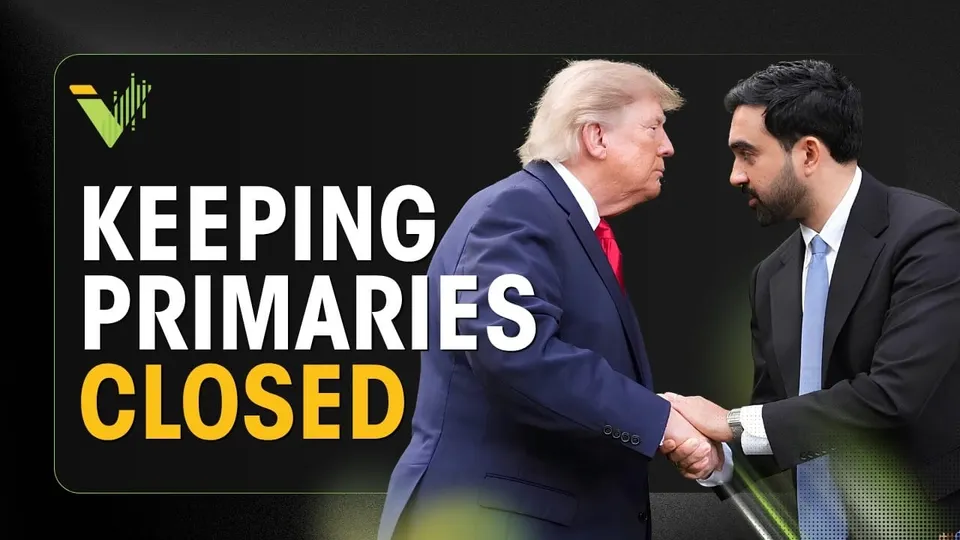
Chad connects the mail-ballot fight to Fareed Zakaria's recent commentary on the imperial presidency, arguing the label misses the mark; he suggests what critics call executive overreach might better be understood as a populist response to a closed primary system that produces unrepresentative Congresses.
The hosts turn to California's messiest primaries, where Democratic Socialists (DSA) candidates are squaring off against moderate Democrats in safely blue districts, meaning independent voters and even Republicans could end up deciding outcomes that would be settled outright elsewhere.
Shawn notes the irony of San Francisco Democrats voting down their own billionaire wealth tax, breaking with the state party once the local tech industry's stakes became personal, a small but telling sign of how practical consequences can reshape progressive politics on the ground.
The episode closes with Chad previewing Cara McCormick's upcoming deep dive into California's independent-voter-deciding races and a plug for the show's no party preference voter outreach program ahead of the midterms.