

Andrew Gripp
M.A. in Democracy and Governance from Georgetown University (2012). Former political science professor. Writes on American politics, international affairs, philosophy, and literature. Based in New York City.
Articles by Andrew
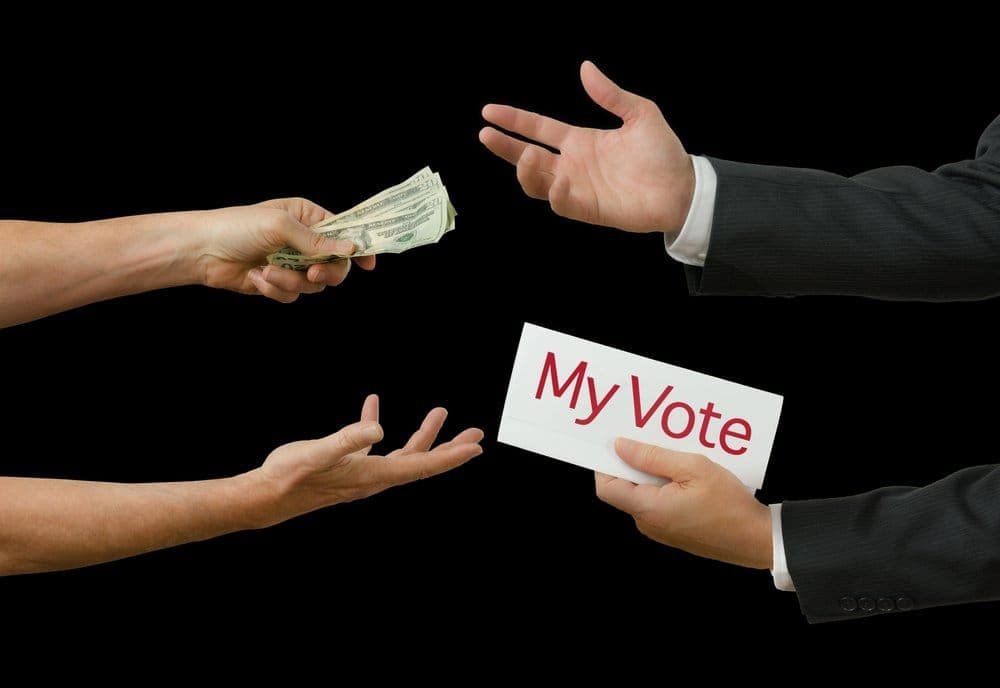
Fight Continues to End Corruption in a State Plagued by Scandals
The South Dakota State Legislature fully repealed a major anti-corruption law earlier this year that voters approved in November 2016. But voters in the state may get a second chance at reform.
Represent South Dakota, a nonpartisan anti-corruption organization that campaigned for the 2016 ballot measure, is now working to enshrine elements of the repealed law in the state's constitution through a voter-approved amendment.
IM-22, the ballot measure supported by 51 percent of voters last year, w...
25 Jul, 2017
-
4 min read
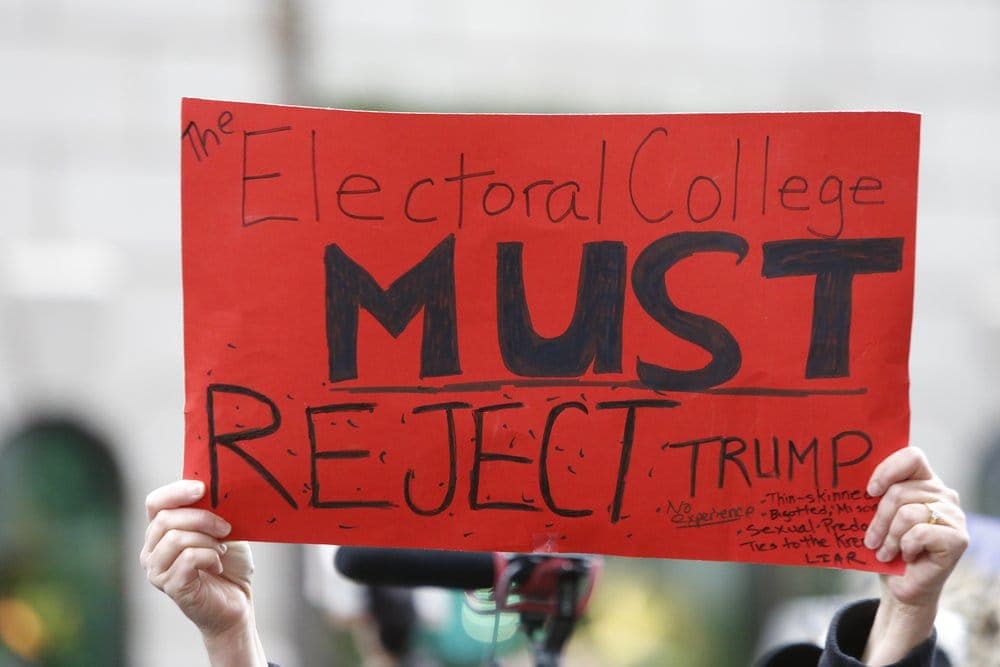
Faithless Electors Test Power of Parties
On Monday, December 19, electors from across the country gathered to cast the official votes for president. Of the 538 votes that were tallied, seven came from faithless electors – electors who chose not to vote for the nominee who won a plurality of votes in their state. These included four Democratic electors in Washington state, two Republican electors in Texas, and one Democratic elector in Hawaii.
There were also three "would-be" faithless electors whose dissenting votes were not counted. ...
23 Dec, 2016
-
6 min read
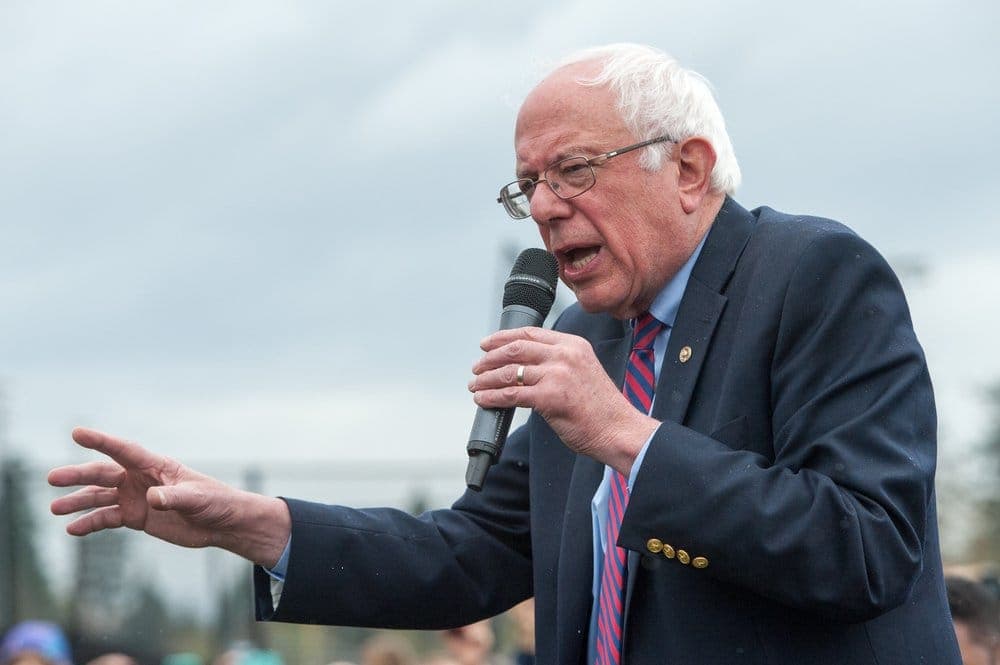
Sanders-Backed 'Our Revolution' Scores Major Victories on Election Day
In August, just one month after the Democratic National Convention, Vermont Senator Bernie Sanders announced the launch of Our Revolution, a non-profit organization dedicated to keeping his progressive movement alive and strong. Among its stated goals are “supporting a new generation of progressive leaders" and "empowering millions to fight for progressive change."
To these ends, Our Revolution backed more than 100 candidates from the school board level to the U.S. Senate between August and Ele...
10 Nov, 2016
-
4 min read
How Super PACs and Candidates Legally (and Illegally) Coordinate Their Efforts
In its ruling in the Citizens United case of 2010, the Supreme Court decided that organizations that are wholly independent of candidates could spend unlimited sums of money to influence elections because, in the words of Justice Anthony Kennedy, “independent expenditures do not lead to, or create the appearance of, quid pro quo corruption.”
Shortly thereafter, entities known as super PACs began to enter American politics. With the ability to both raise and spend as much money as they like, the...
26 Oct, 2016
-
8 min read
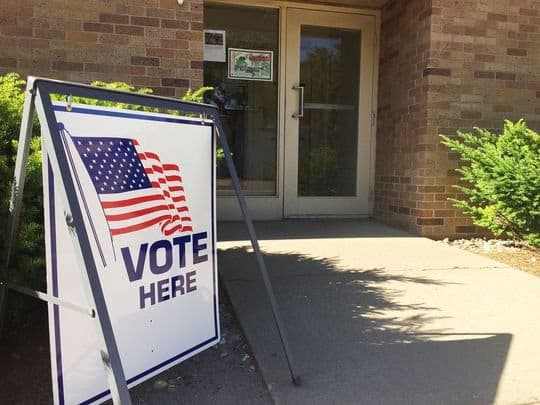
OPINION: A Single Headline Cannot Contain All the Reasons to Oppose S.D.’s Nonpartisan Top-Two Proposal
In November, voters in South Dakota will decide whether to pass Amendment V. If passed, the measure will institute a nonpartisan primary much like the one in Washington state. Under the proposed rules, all candidates would appear on a single ballot without party labels, and the top two recipients of primary votes would advance to the general election.
The proponents of the reform cite numerous potential benefits, including increased voter turnout, the election of more moderate officials, depola...
06 Oct, 2016
-
7 min read
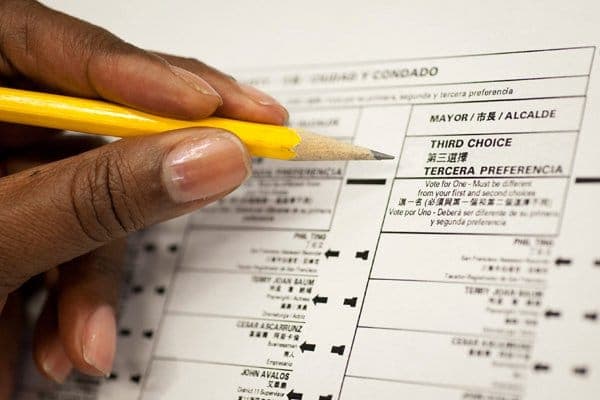
A Spot on the Ballot: Alternative Candidates, the Supreme Court, and the Long Fight for Inclusive Elections (Part 2 of 2)
This article is Part 2 in a two-part series reviewing Supreme Court ballot access decisions and the effects of the Court's precedents on independent and third party candidates. You can read Part 1 here.
Munro v. Socialist Workers Party (1986)
In 1986, the Court accepted a challenge to a Washington state ballot access provision. This provision required third party candidates to receive at least one percent of the vote in the state's blanket primary in order to appear on the general election ba...
07 Sep, 2016
-
8 min read
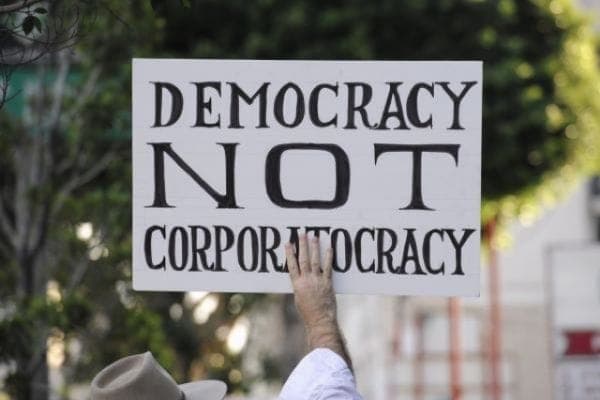
The Transpartisan, Grassroots Movement to Overturn Citizens United is Gaining Serious Momentum
In recent years, there have been several top-down attempts to overturn the Supreme Court's decision in Citizens United. That decision, made in 2010, birthed legal entities known as super PACs, which can raise and spend unlimited sums of money so long as they do not coordinate with a candidate.
In 2014, Democrats failed to muster enough votes to overcome a Republican-led filibuster over a proposed constitutional amendment. And in 2015, Harvard law professor Lawrence Lessig announced a presidenti...
06 Sep, 2016
-
5 min read

A Spot on the Ballot: Alternative Candidates, the Supreme Court, and the Long Fight for Inclusive Elections (Part 1 of 2)
Ballot Access in Historical Context
Over the last several decades, the percentage of Americans who self-identify as independents has climbed to above 40 percent while attachment to the Democratic and Republican parties has declined. And in recent months, broad dissatisfaction with the presidential nominees of both parties has caused the public to look to third party and independent options to find candidates who better represent their views.
Yet despite this shift in support, third party and i...
02 Sep, 2016
-
9 min read
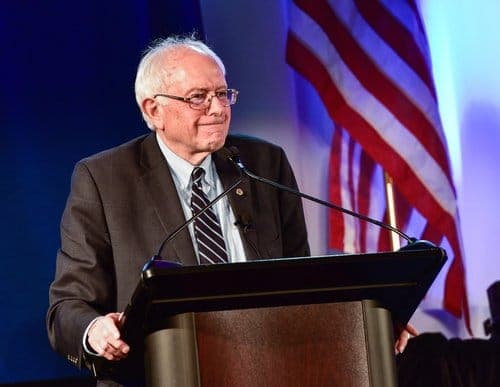
Sanders Launches "Our Revolution" to Extend the Progressive Movement
Before a crowd in his home start of Vermont and speaking to supporters attending more than 2,600 watch parties across the country, Senator Bernie Sanders announced on August 24 the launch of "Our Revolution." The newly created organization seeks to institutionalize the former presidential candidate's progressive movement and develop a grassroots network whose three stated goals are "supporting a new generation of progressive leaders, empowering millions to fight for progressive change and elevat...
29 Aug, 2016
-
3 min read