Independent Pennsylvanians Demand to be Heard by Commission on Election Administration
 Barbara Patrizzi
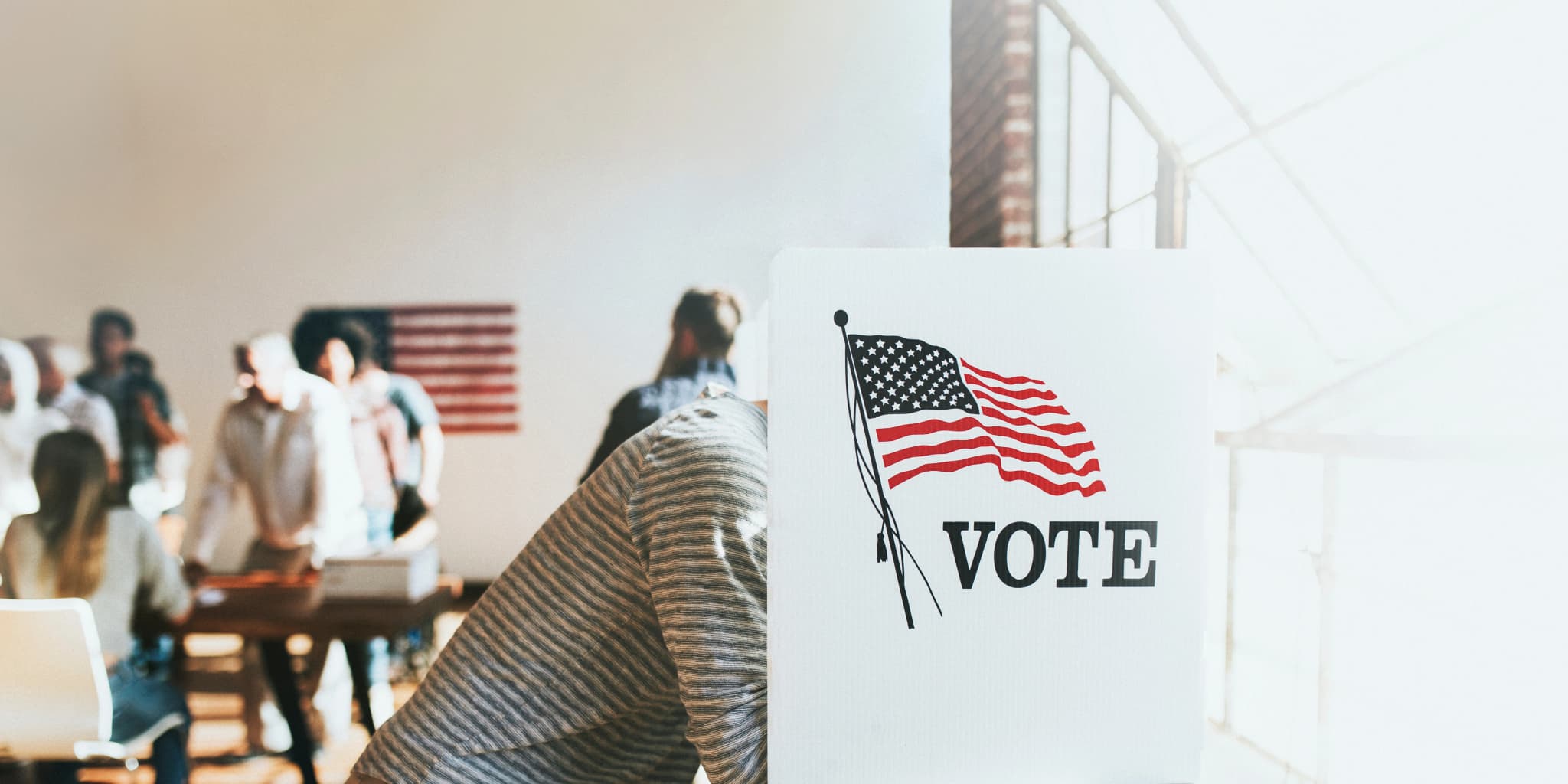
Independent Pennsylvanians, a grassroots activist group working to strengthen the voice of independent voters in Pennsylvania, is encouraging independents across the region to participate in the upcoming public hearing of President Obama’s Commission on Election Administration to be held on September 4, 2013, in Philadelphia.
The Commission is a 10 member body, formed by executive order, and tasked with presenting recommendations to the President about how to “improve the voting experience.” However, the Commission is bi-partisan in design, and has carved out a very narrow mandate that falls short of the non-partisan public debate that is needed to address the concerns of independent voters.
The Commission is holding hearings throughout the country this year, and at each hearing, independent voting groups affiliated with IndependentVoting.org will be, and have been, present to give testimony. The exact place and time of the Philadelphia hearing has yet to be announced, but will be posted on Independent Pennsylvanians when the information becomes available.
Independents can no longer be treated as second class citizens in a democracy. The group intends to advise the Commission on the specific defects that affect independent voters. Group founder, Jennifer Bullock, says, “To improve the voting experience, it must first be recognized that the American people want a more non-partisan form of politics at every level.”
Independents are not accorded the same courtesies and privileges as members of political parties, such as receiving mailed ballots at home or having the right to serve as poll workers on Election Day. During primary season, whereas some states permit independents to vote, Pennsylvania holds closed primaries. Therefore, independents are barred from participating in this critical round of voting, although as taxpayers, independents finance those closed party primaries.
Independent voters also have no representation on the Federal Elections Commission or Boards of Elections. In Pennsylvania, independent and third party candidates must gather many more signatures than major party candidates do to have their names placed on election ballots.
With 40% of Americans now identifying as independent, these issues should be a Commission priority. The Commission, however, has neglected to include these issues and concerns in their stated agenda.
Independent Pennsylvanians and IndependentVoting.org are also reaching out to independents around the state and the country, asking them to sign onto a letter to the Commission which outlines the above concerns. The letter can be found here.

You Might Also Like