
 Jeremy Gruber
Editor's Note: The following is an exclusive series on IVN from the better elections group Open Primaries. The content originated from the group's weekly newsletter, "Primary Buzz." This week is a special edition all about New York City.
This week, the fight over New York City's closed primary system moved into a new phase.
After Mayor Zohran Mamdani said he was “content” with the city's closed primaries, Open Primaries President John Opdycke, Board Member Dr. Jessie Fields, activist Angel Martinez, and I responded in five major pieces of media that approached the issue from distinctly different directions.
On NY1, I went back and forth with host Errol Louis over the central question at the heart of the debate: is this really an issue about political parties and their nomination processes, or is it a voting rights issue? My answer was clear: when publicly funded elections determine who holds public office, excluding 1.2 million New Yorkers from participating is a question of access to democracy.
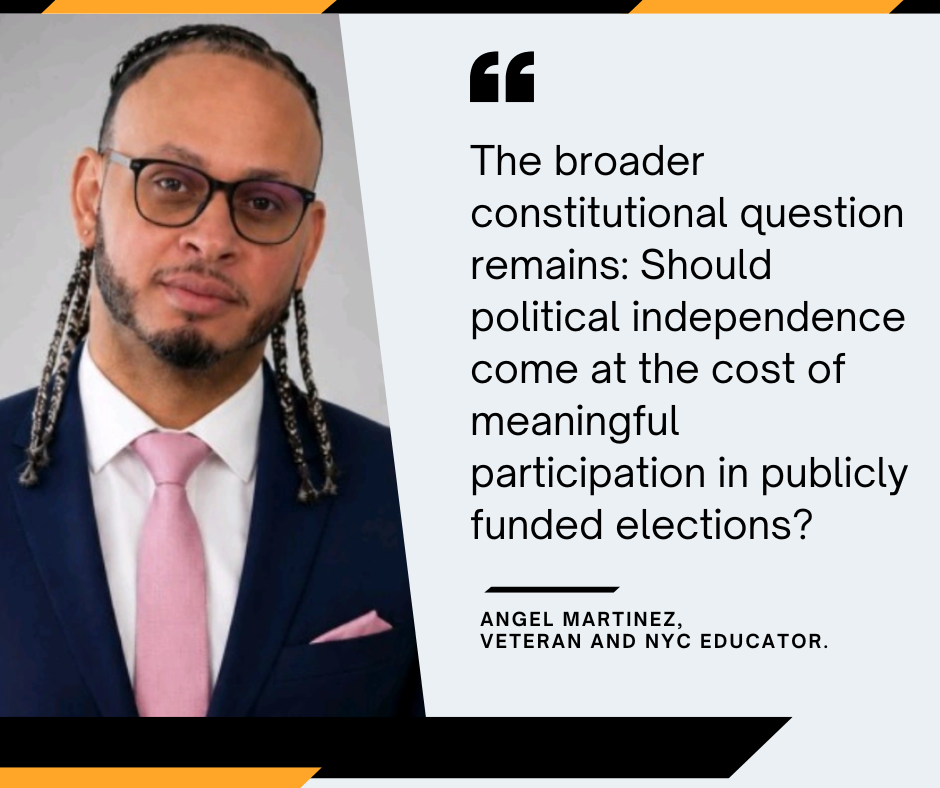
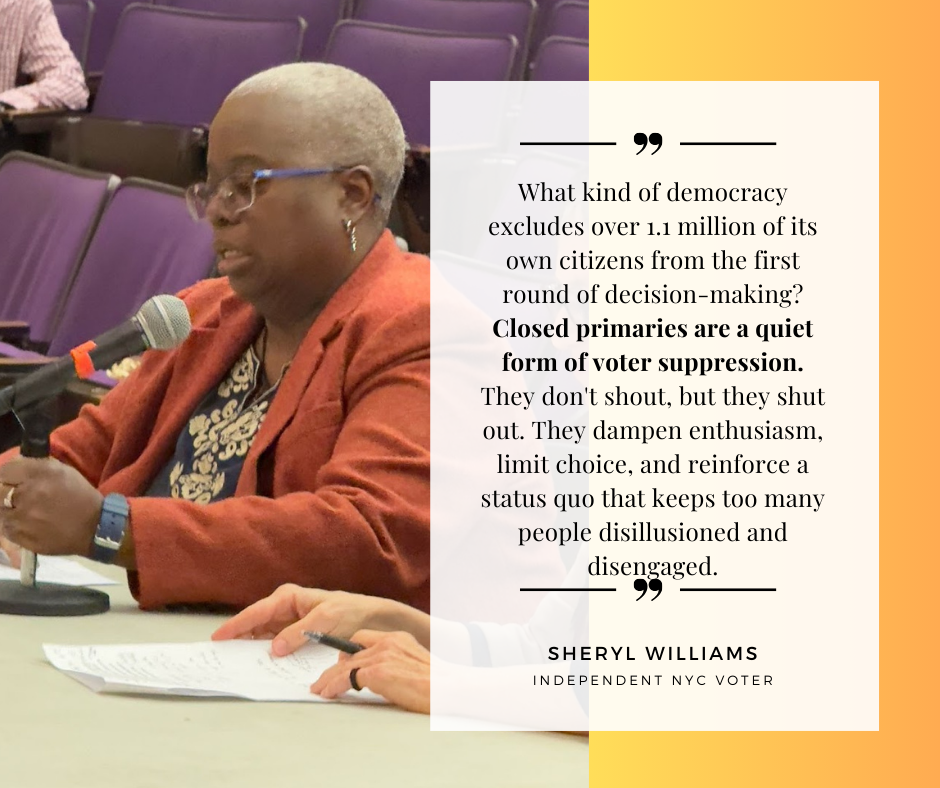
In the New York Daily News, Open Primaries Board Member Dr. Jessie Fields places the debate squarely in the history of the voting rights movement. Drawing on her experience as an African-American woman, a physician working with marginalized communities, and an independent voter, Fields argued that the exclusion of independent voters—54.5% of whom are people of color—represents a new frontier in the struggle for equal access to political power.
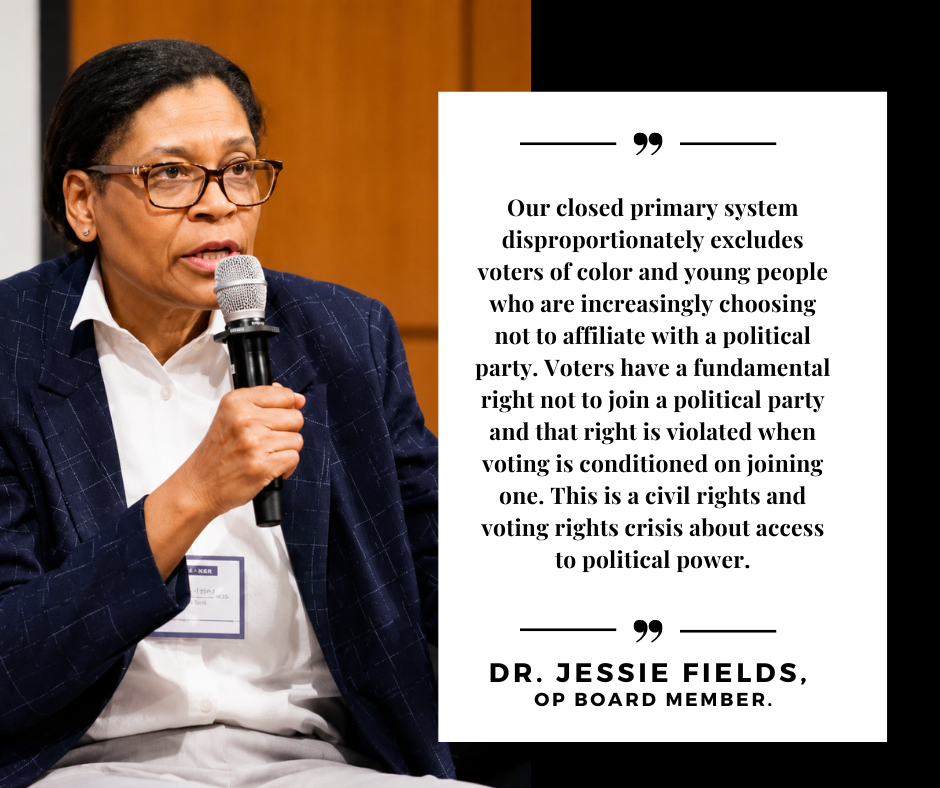
In IVN, veteran and educator Angel Martinez laid the issue of closed primaries right at the foot of the U.S. Constitution.
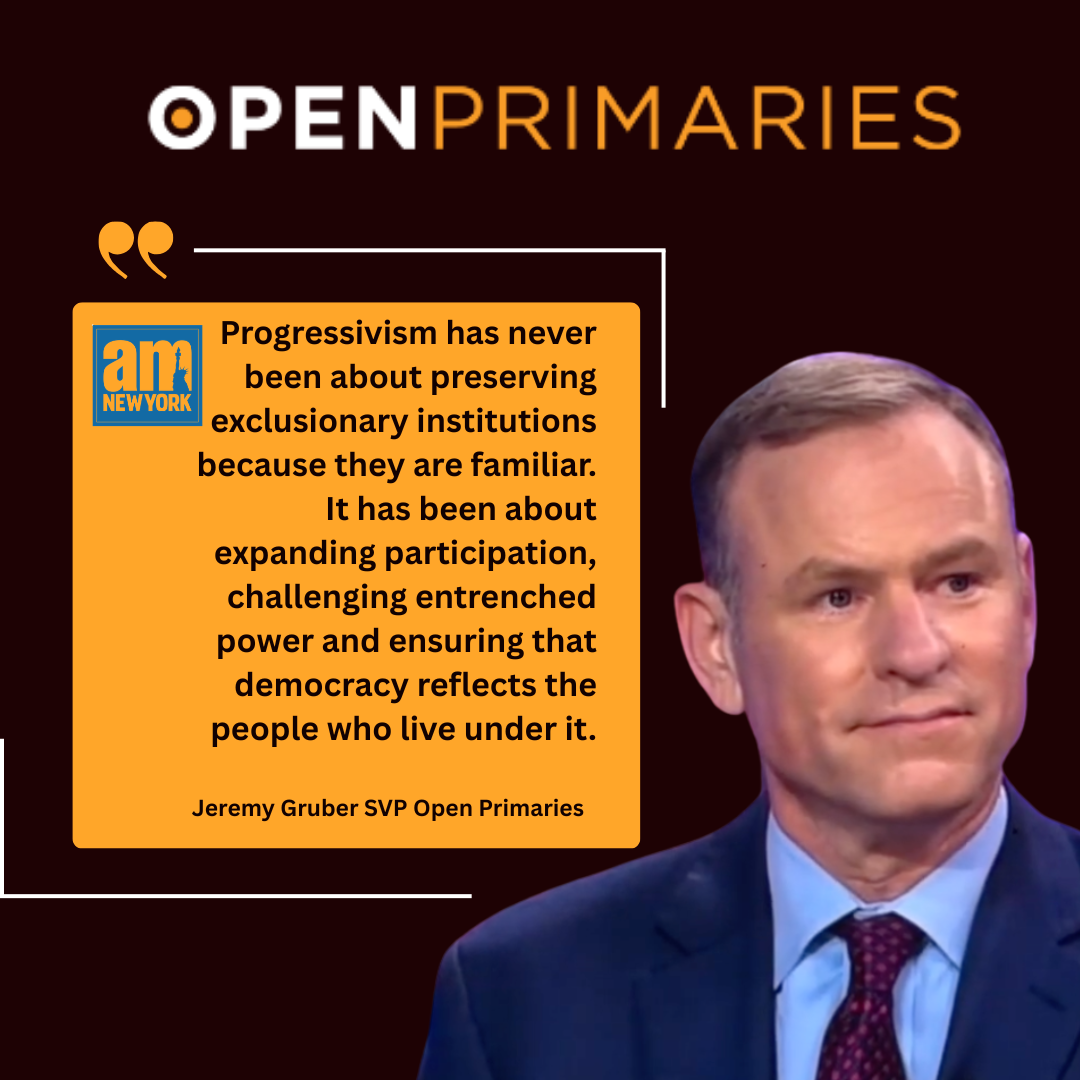
In an AM New York op-ed, I take the argument directly to the mayor's own political philosophy. A progressive administration that challenges institutions that concentrate power, he argued, should not defend a closed primary system simply because it is longstanding.
And taking the message national, OP President John Opdycke joined CBS News’ Major Garett last night on “The Takeout” to talk about the rise of independent voters nationally and how closed primaries are contributing to the partisanship plaguing American politics.
Five pieces. Five different arguments.
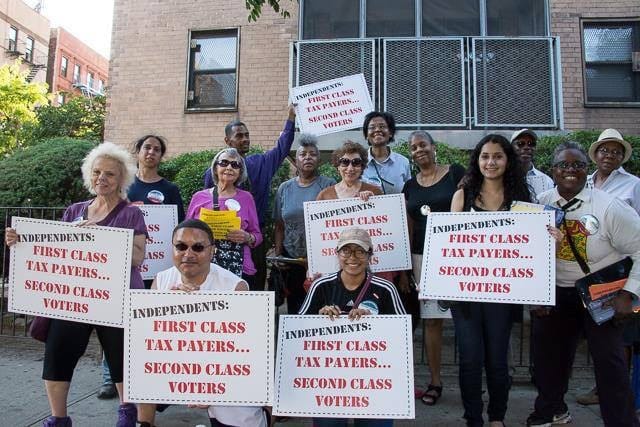
But together, they reflect the expanding nature of the fight now underway in New York City. The debate is no longer confined to whether political parties should be able to control their own primaries. It is increasingly about whether 1.2 million New Yorkers—54% of which are voters of color—should be excluded from publicly funded elections that, in a city like New York, often determine who will actually hold office.
After two years of organizing, independent voters are no longer content to be treated as statistics on voter registration rolls. They are increasingly prepared to make sure their voices are part of the debate.
Mayor Mamdani: Come Meet the Independents
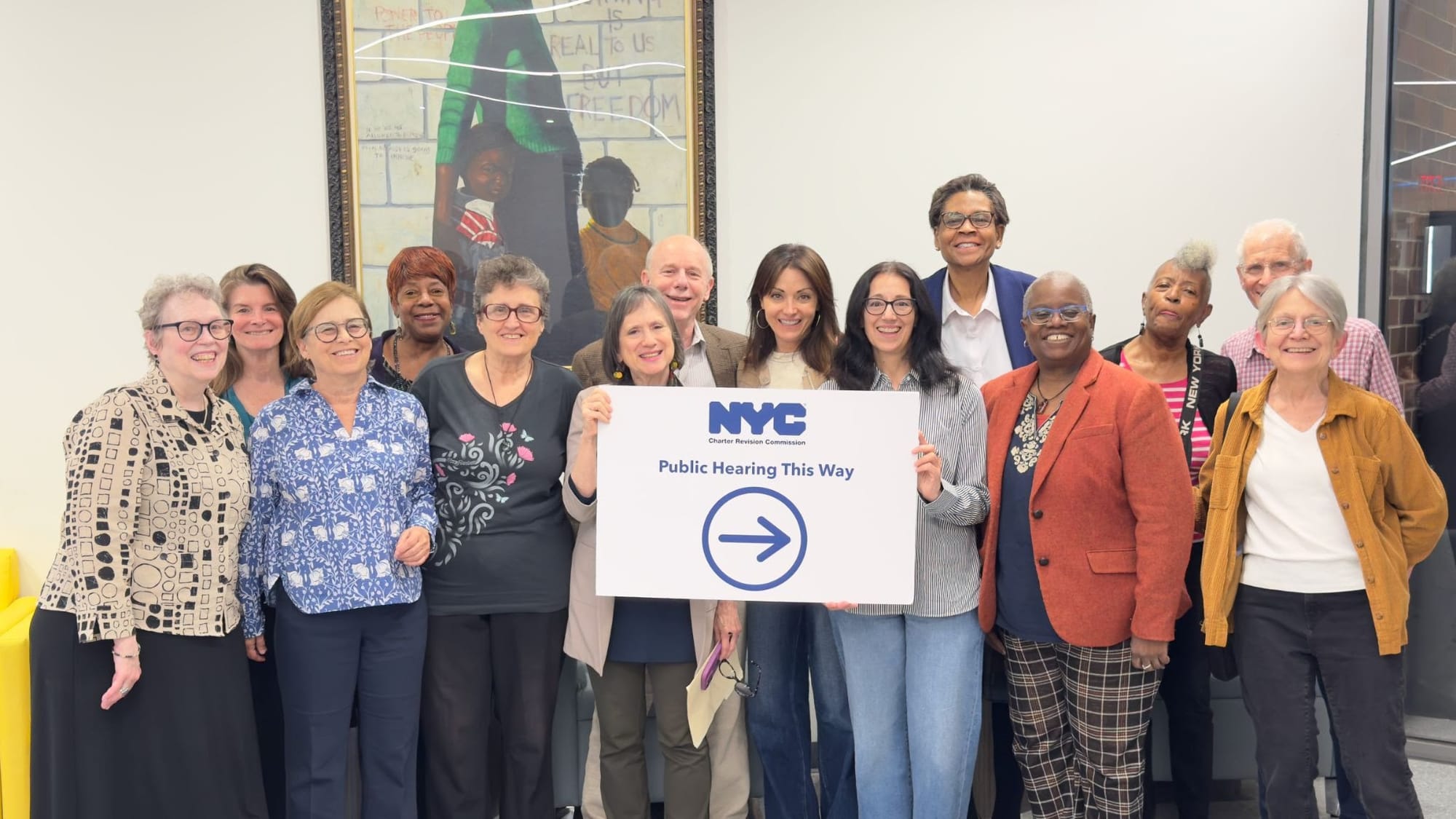
We are now extending an invitation to Mayor Mamdani: come to an independent voter town hall.
Let us introduce you to 200 or 300 of the real people who cannot vote where it matters most.
They are New Yorkers from every borough and every background who are excluded from the primary elections that determine who represents them. Many have spent years being told that the answer to their exclusion is simply to join a political party they do not belong to.
We are not asking the mayor to endorse a candidate or take sides in an electoral outcome. We are not attacking him. We are asking him to meet the people most directly affected by the system he says he is “content” with.
The mayor has built his political identity around challenging institutions that concentrate power and leave people out. We are asking him to apply that same spirit of inquiry here.
Come hear directly from the people who cannot vote in the elections that determine who represents them.
The Old Political Players Are Trying to Define a Movement They Didn't Build
As independent voters have become more organized and the issue has gained more attention and A LOT more traction, the effort to define the debate has begun.
This week, The New York Times published two pieceshere—and here—that helped advance a familiar narrative: that open primaries are the project of wealthy donors, political consultants, or politicians who have lost power. It’s ironic since just last year they covered the debate a little differently and a lot more favorably.
What they can’t see—or even imagine—is that ordinary voters are standing up and working together to demand change. But they better learn how.
The people showing up at Charter Revision Commission hearings, speaking to the media, organizing their friends and neighbors, and demanding to meet directly with the mayor are not waiting for a political consultant to tell them how to make the case. They are not waiting for a wealthy donor to fund the conversation.
They are making the case themselves.
That is what makes the current moment so important. The everyday voters demanding change are beginning to claim the narrative from the people who have traditionally tried to control it. Check out our good friend from Independent Veterans of America and fellow NYer Paul Rieckhoff’s assessment here.
The question is now whether the people who are actually shut out of the system will finally be allowed to speak for themselves.
In New York City, they are.
NYC Democrats Signal Support for Open Primaries as Party Labels Blur Across the City
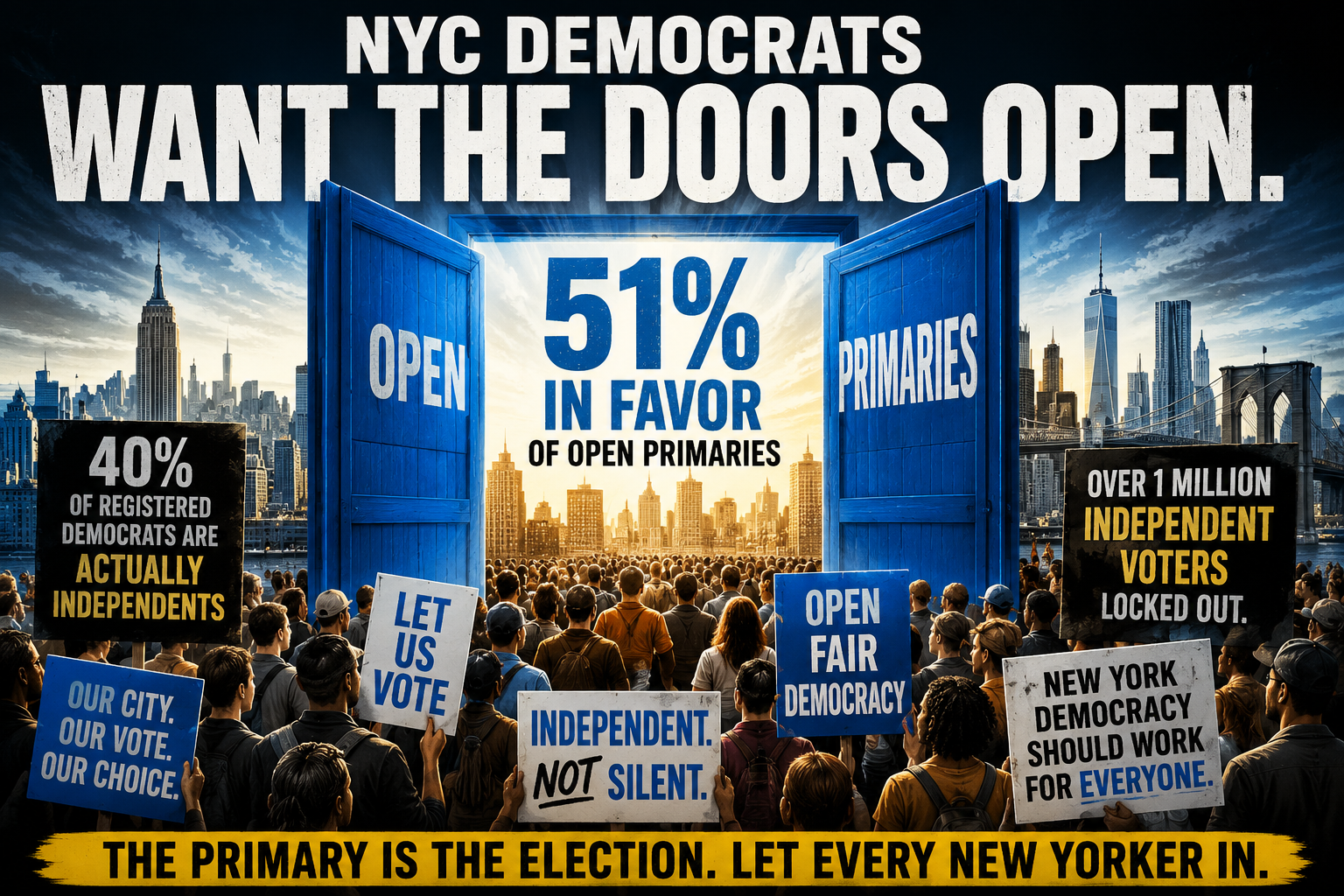
A new survey conducted by IVC Media and commissioned by Open Primaries is adding fuel to the fire by detonating a core assumption of reform opponents. Among registered Democrats in New York City, 51% support opening primaries to independent voters, with just 23% opposed. The city’s dominant political institution is now, according to its own voters, something they want to open up.
But the more striking finding isn’t about policy-it’s about identity collapse inside the party label itself. Roughly 40% of registered Democrats say they are not actually Democrats but explicitly describe themselves as independents forced into Democratic registration just to vote in the election that decides the outcome. Indeed, among Latino Democrats, only one in three identify as true Democrats.
This is no longer a party system reflecting voter affiliation-it is a system quietly requiring misclassification to function. The implications land hard in a city where over a million independent voters-54% of whom are people of color- are locked out of the elections that determine most outcomes.
It Didn't Start This Week
This fight is the result of two years of organizing.
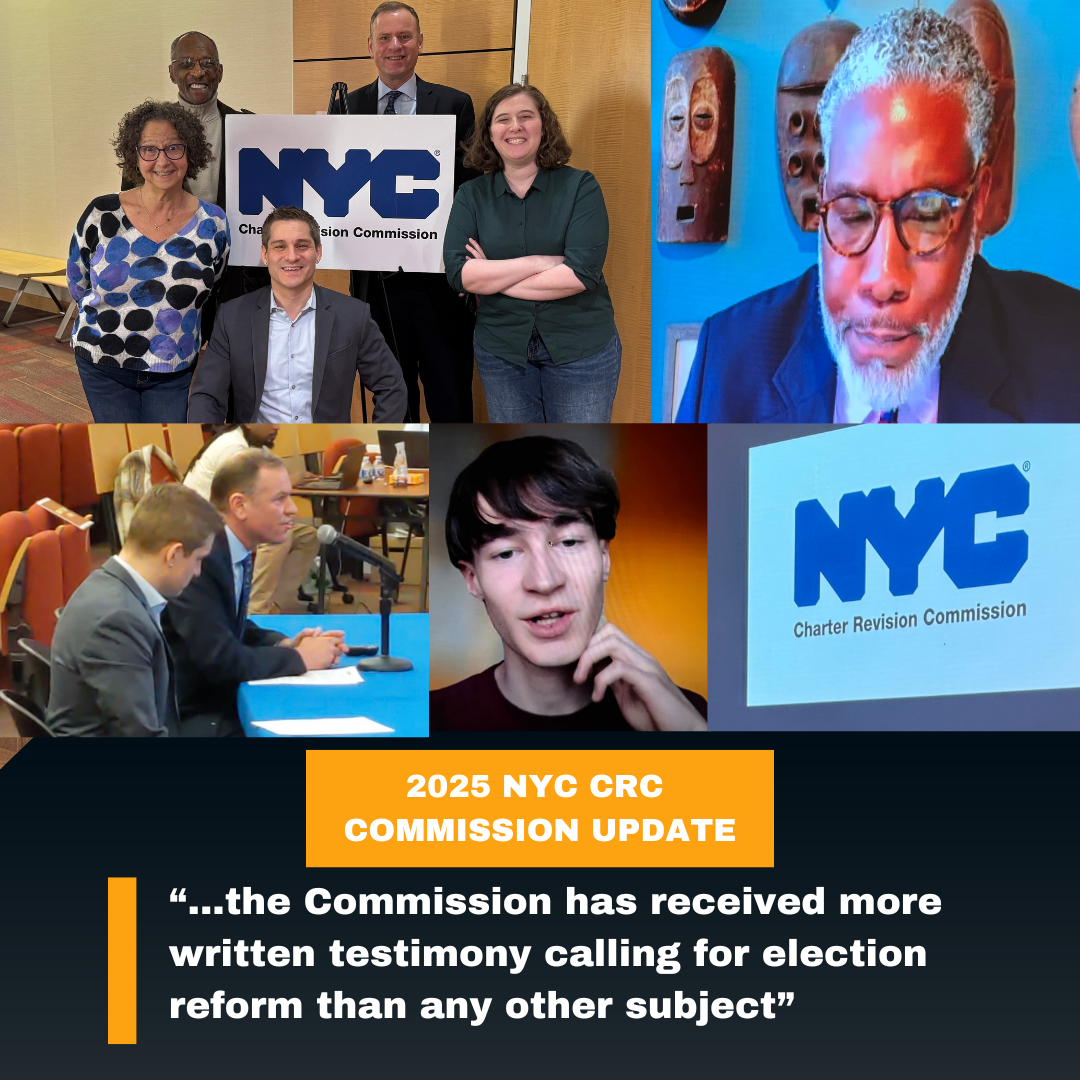
Last year, when then Mayor Adams convened the first Charter Revision Commission, Open Primaries organized hundreds of independent voters to participate directly in the process. They came to hearings, shared their experiences, and helped make the exclusion of independent voters the number one testimony to issue before the Commission.
It also created a strong media climate for reform with coverage in the Daily News here, here, here, here, here, here, News 12, the NY Post, Gothamist, City and State, NY1 and dozens of others.
That forced the Commission to engage. It conducted a historic review of the city's elections and ultimately produced recommendations and a final report that included extensive discussion of the exclusion of more than one million independent voters and the finding that NYC must act on the issue.
They also commissioned a detailed voting rights analysis of top two from former US Attorney Loretta Lynch and the top law firm of Paul, Weiss, Rifkind, Wharton & Garrison LLP. Their findings? That open primaries in New York City would strengthen the ability of protected classes, including Black, Hispanic and Asian voters, to participate in the political process.
When a new Charter Revision Commission, under Mayor Mamdani, began its work this year, the movement came back big time. Some of the independent voters who had testified the year before returned, but they were joined by many, many more New Yorkers who were new to the process and new to the movement.
The result was a larger and broader group of independent voters demanding to be heard.
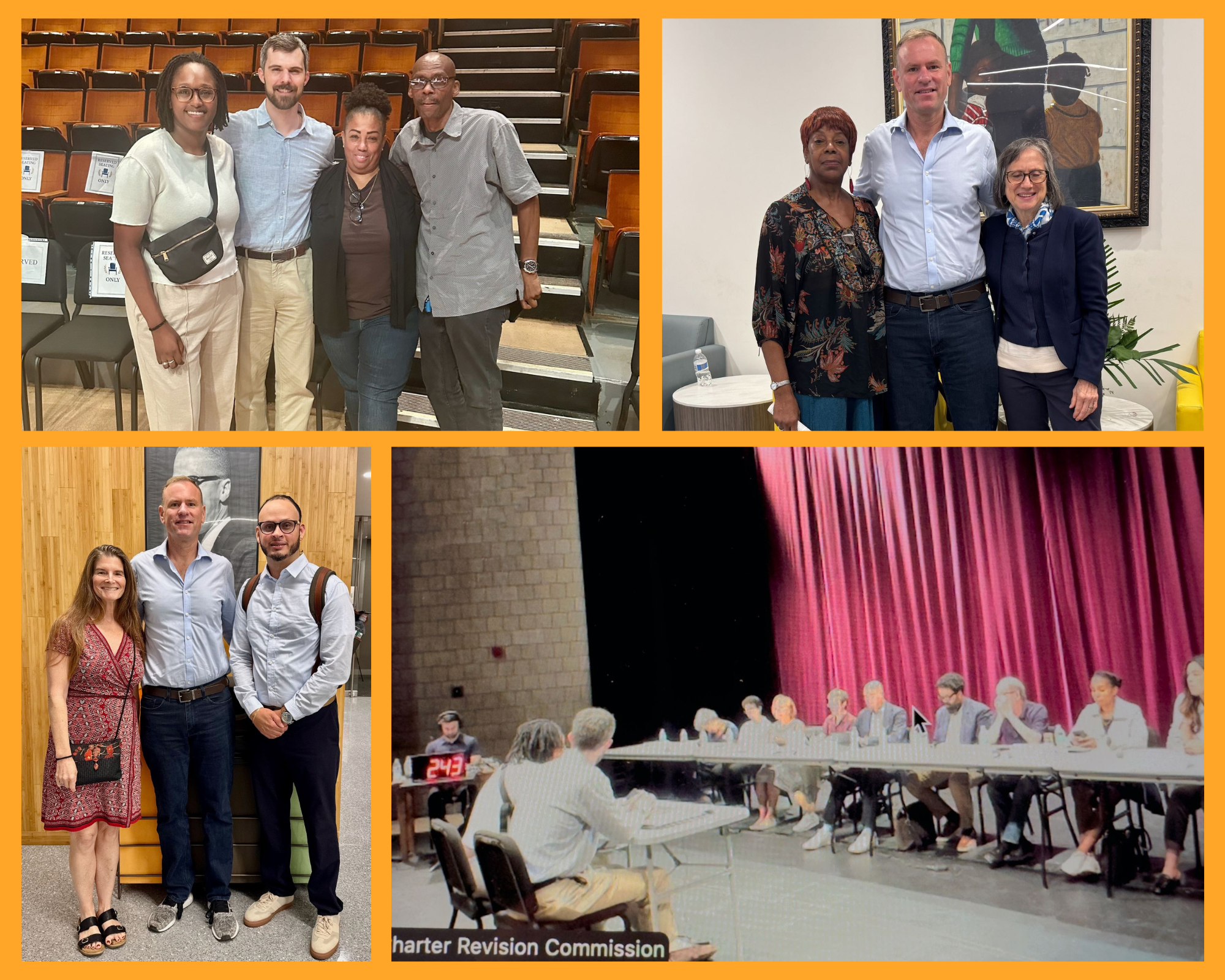
But this time, despite the growing number of independent voters participating in the process, the Commission did not meaningfully connect with the issue-save a powerful exchange with Dr. Fields and her fight to raise awareness across the city.
That contrast is important. The first Commission helped bring the issue into the formal conversation about the city's future. The second saw an even broader group of independent voters come forward, but did not meaningfully engage with what they were saying.
The movement had grown. The NYC media climate is at an all-time high. See my appearance on News 12:
And the issue is gaining national attention. Watch OP President John Opdycke as he joins Open Primaries NYC supporters Jeff Aron, Ed Brady and Torsha Childs on MSNOWs Morning Joe:
Yet the exclusion remains. And when we speak with NYC voters, they are crystal clear-that’s not right.
And that is what brings us to the current moment.
Next Week, We Take the Message Directly to City Hall
Next week, Open Primaries will launch a dedicated campaign site, petition and sustained public effort calling on Mayor Mamdani to meet with independent voters in New York City.
We will be contacting his office directly-through the front door and through every other channel available to us-to deliver the same message: come meet the people who cannot vote where it matters most.
The goal is to bring together 200–300 independent New Yorkers and give them the opportunity to tell the mayor directly what it means to be excluded from the elections that determine who represents them.
We know that if the mayor meets with independents, their stories will be impossible to ignore.
The debate over open primaries in New York City has been building for years. This week, it entered a new phase.
Now the people at the center of the issue are stepping forward to claim the conversation for themselves.