The Price of Fracking: Earthquakes & Groundwater Contamination

 Alan Markow
It is possible – even likely – that the fracking process to extract natural gas and oil from underground rock formations causes earthquakes. The facts are clear: in the geographical part of the country where fracking (technically known as hydraulic fracturing) is active, earthquakes of level 3.0 and above have increased six times their 20th century average since 2009, according to a Reuters article.
Nathan Alley, a staff attorney for the Environmental Defense Center (EDC) in Santa Barbara told me that the states of Alabama and Ohio have experienced notable amounts of such seismic activity, and that some of the links to fracking are undeniable.
“In Youngstown, Ohio,” Alley said, “experts have linked fracking with 16-18 earthquakes based on the timing and location of the fracking activity.”
Beyond seismic risks, fracking has also been linked to various forms of pollution – from groundwater contamination to air pollution. The problems of groundwater contamination were notably revealed in the documentary film “Gasland,” which showed how tap water from wells adjacent to fracking activities could be lit on fire with a match.
Gas and oil companies are exempt from the Safe Water Drinking Act that might otherwise regulate the pollution of water supplies. That exemption is sometimes called the “Halliburton Loophole” because of the involvement of then Vice President Dick Cheney in its addition to the law.
Air quality has also become a greater issue because of the release of what Alley calls “fugitive methane” into the atmosphere at the site of fracking activity.
Fracking has been a common and highly successful means of extracting natural gas and oil from underground rock formations in large swaths of the mid and southwest parts of the country. But now it is showing up in California – sometime without prior authorization.
Venoco – the large oil exploration company that operates off the Santa Barbara coast – fracked two of its wells without telling anyone, according to Alley. Fracking normally requires prior environmental review by the state.
“But sometimes,” Alley said, “it can be hard to determine if it’s even happening.”

In California, the Division of Oil, Gas and Geothermal Resources (DOGR) has responsibility for regulating hydraulic fracturing. But the agency has a competing mandate to encourage production of energy within the state.
There can be little question about the productivity of the fracking process. Whereas a few years ago we were importing large quantities of liquid natural gas (LNG) into the United States, we now produce so much that are exporting the energy resource overseas.
“The problem,” Alley said, “is that fracking is a new process, and we don’t yet know enough about its impact on the environment.”
The industry claims that fracking has been in use for years with little or no adverse effects, but Alley says this position ignores changes in the process.
“Combining long distance, horizontal drilling with more, different and more harmful chemicals makes the process different” requiring a higher level of regulatory oversight, according to Alley.
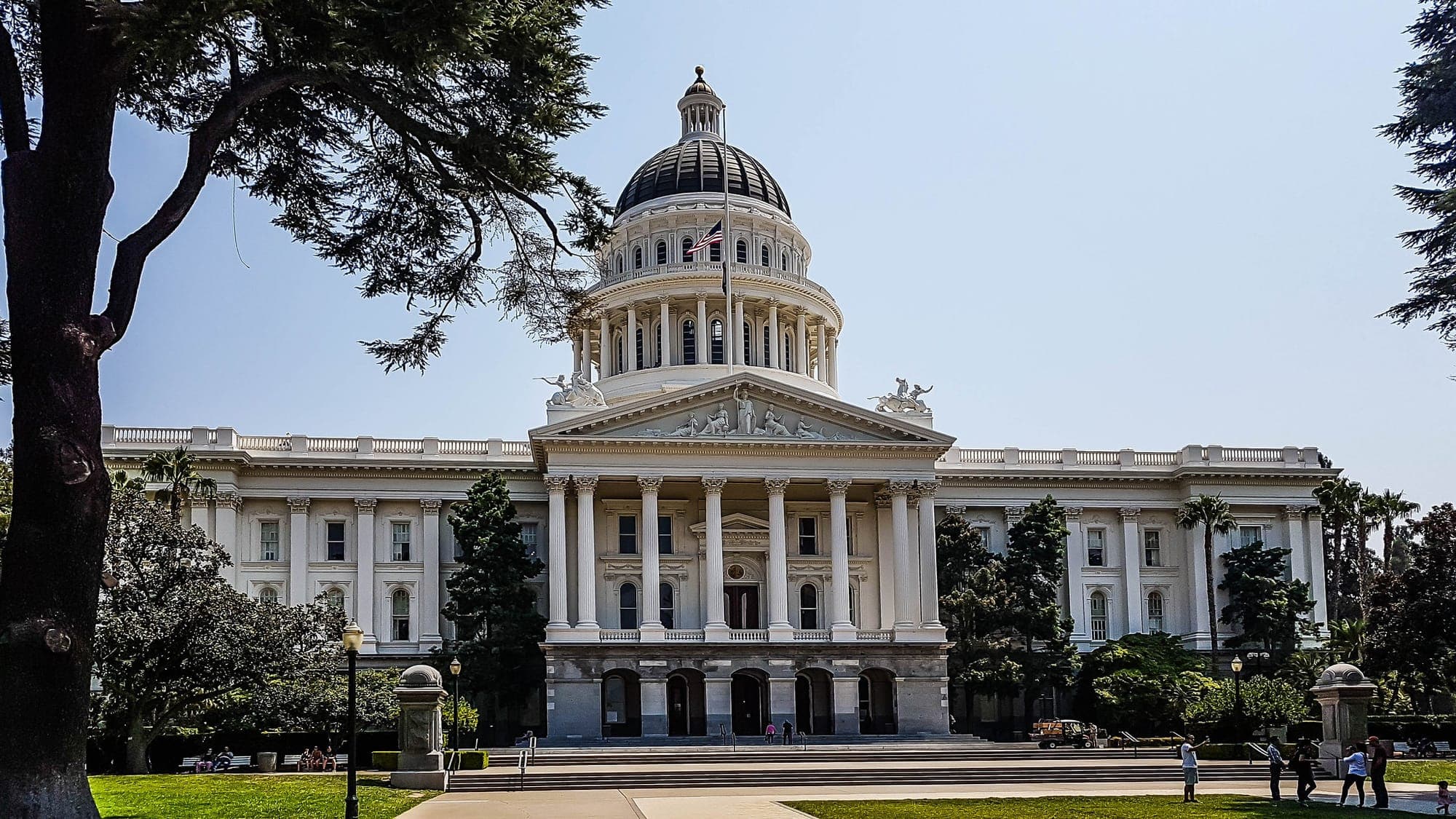
Right now, the EDC is trying to spur action by the legislature in Sacramento as well as attempting to clarify the roles of various state regulatory agencies in managing the fracking process.
“Local governments are trying to figure out what to do on their own,” Alley said. “But,” he added, “they need the help of strong state regulation.”
The impact of fracking is not well understood on an international level, although Great Britain has uncovered problems similar to those experienced in the U.S. But for California, the risk of new seismic activity is paramount.

“There is currently drilling near the Rincon Fault,” said Alley, noting that fracking could be added to the energy exploration mix at this seismically risky location near San Luis Obispo.
Reuters reported that the link between fracking and earthquakes was to be discussed this week at a meeting of the Seismological Society of America in San Diego.
You Might Also Like