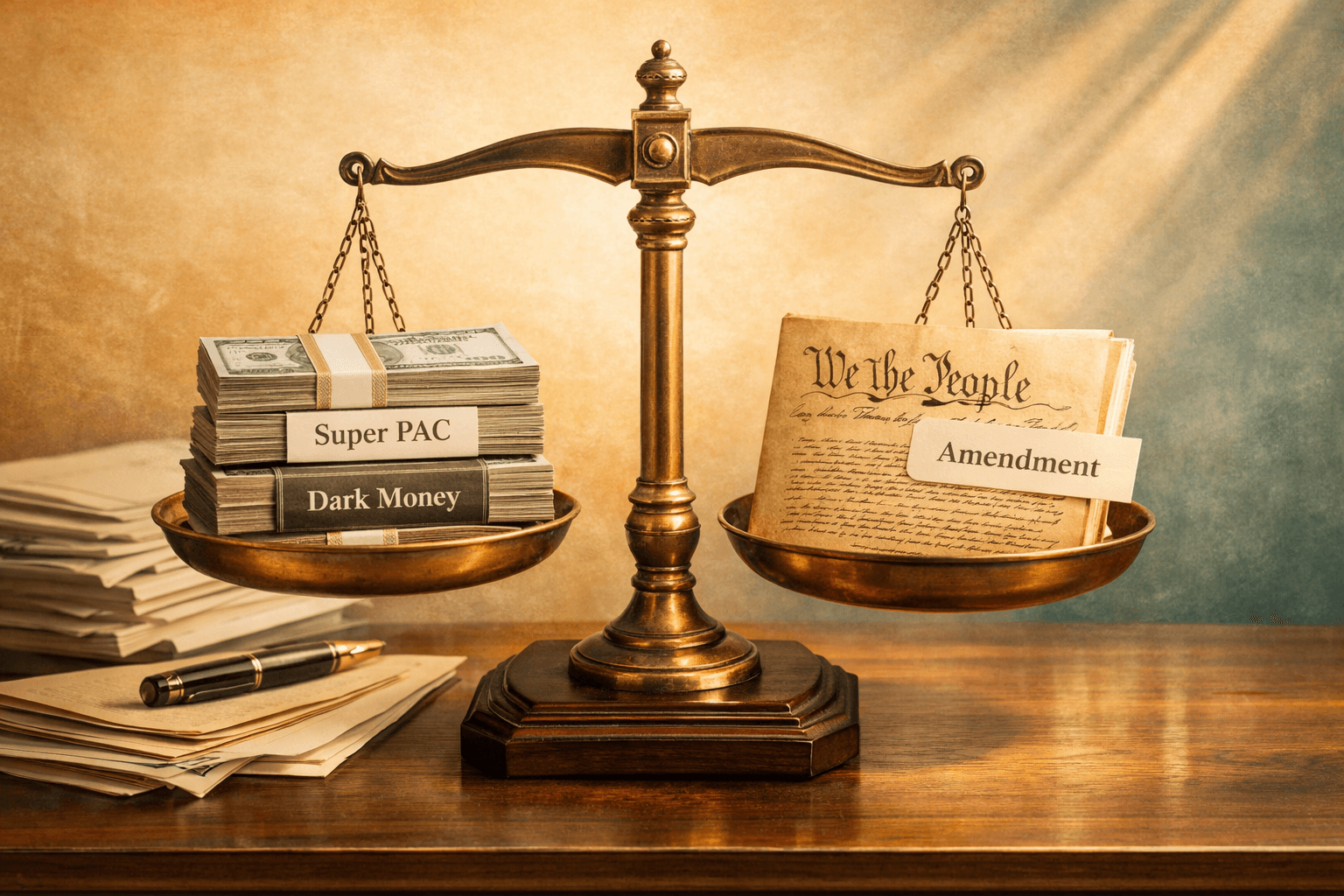
SCOTUS: Silence Does Not Guarantee the Right to Remain Silent

 Kaylan Kaatz
Credit: Ruggiero Scardigno / Shutterstock.com
Who knew the right to remain silent is contingent on expressly invoking that right?
The Fifth Amendment protects an individual's right against self-incrimination, allowing one to remain silent as a means to invoke that right. However, you cannot remain silent as a way to invoke the right to remain silent, you must expressly invoke the right to remain silent. Contrary to popular belief, the Supreme Court has held that view for decades since deciding Minnesota v. Murphy (1984).
What does that mean?
There is an express invocation requirement which means that a person must express the desire to invoke the right to remain silent to avoid self-incrimination in order to have that right. There are only two instances when the right against self-incrimination via the right to remain silent does not need to be expressed: (1) when you are on trial, allowing you to decline to take the stand; or (2) when you fail to assert the right due to governmental coercion.
The latter instance provided the basis for the Miranda warning: "You have the right to remain silent, anything you say can and will be used against you in a court of law." But, according to Monday's Supreme Court decision in Salinas v. Texas, anything you say or don't say can and will be used against you.This ruling hinged on the fact that the police were conducting informal questioning (Salinas was not in custody) and no official Miranda rights had been read. The individual was questioned for one hour, answering all of the police questions. When asked a possibly incriminating question regarding gun ballistics, the individual "ooked down at the floor, shuffled hit feet, bit him bottom lip, clnched his hands in his lap, began to tighten up."
Testimony regarding the individual's silence and fidgeting was permitted in court as evidence of his guilt.
This ruling prompts the question: what's next? Perhaps asserting the right against self-incrimination will also be permitted as evidence of guilt in court.
You Might Also Like