The rise of the Climate-Industrial Complex

 Ryan Jaroncyk
We've all heard of the military-industrial complex. Republican President, Dwight D. Eisenhower, specifically warned of the potentially dire consequences of an unhealthy alliance between the US Government and the defense industry. Today, Eisenhower's warning rings especially true as private war contractors and the rest of the defense industry are raking in big profits and draining the US Treasury as a result of the wars in Afghanistan, Pakistan, Iraq, Yemen, and elsewhere. The Defense industry is also generating significant profits from arming and equipping dictatorial regimes in the Islamic world.
We've also heard of the oil-industrial complex, pharmaceutical-industrial complex, and health-industrial complex. There are others as well. It is no secret that these "complexes" maintain a robust lobbying presence on Capitol Hill, where they bribe, manipulate, and garner preferential treatment from corrupt politicians, on both sides of the aisle. These industries generate ungodly profits, even during economic downturns, influence public policy, guarantee robust employment in their respective sectors, and drown out the competition.
But, have you heard of the rapidly emerging Climate-Industrial complex?
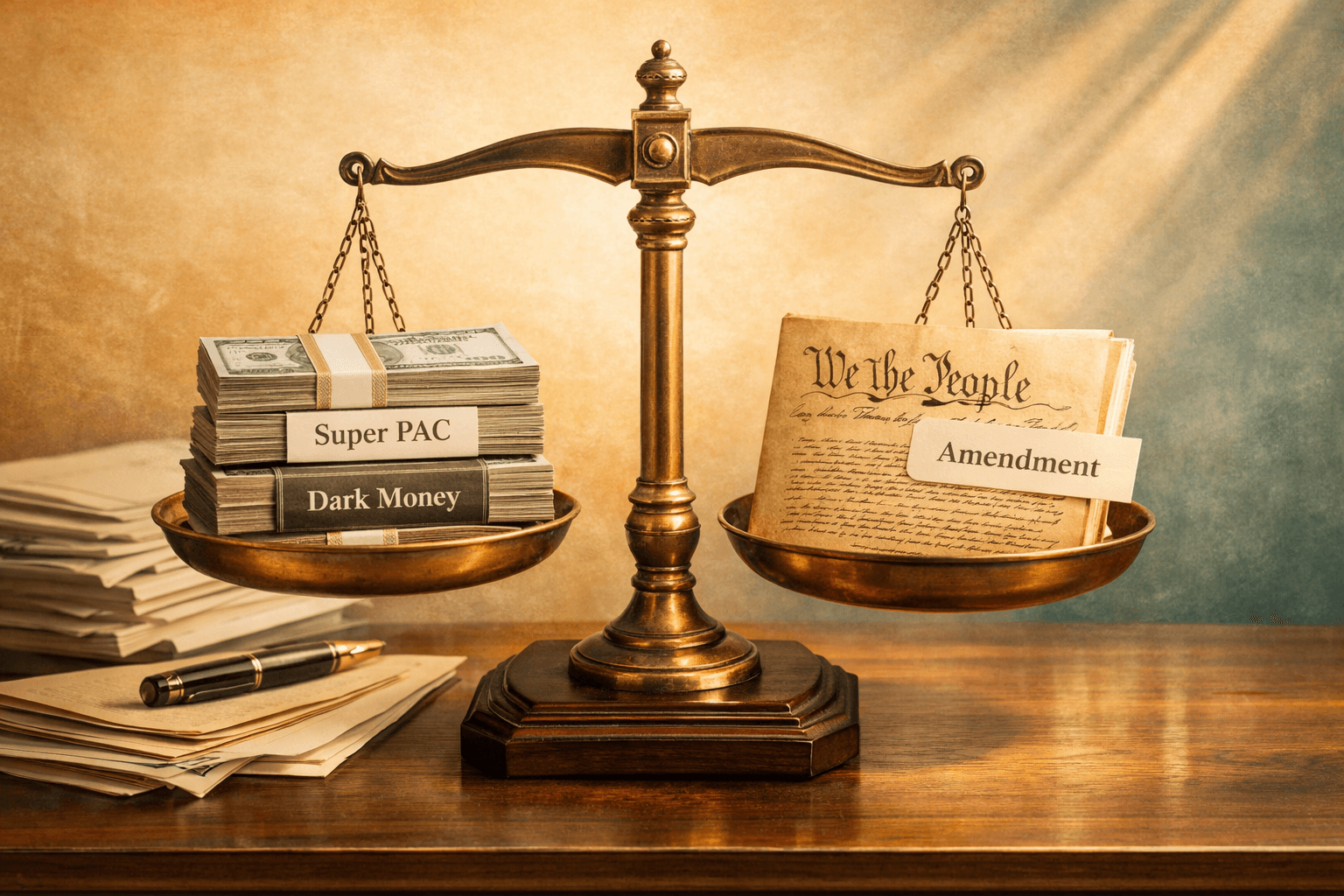
Though many critics often blast the other, more entrenched "complexes", they appear reluctant to recognize and confront the emergence of a green industry that is merging corporate and governmental interests in the climate change debate. Putting aside the issue of whether or not anthropogenic global warming is scientifically valid, one should not ignore the immense profit motive and increasing lobbying presence of the alternative energy industry. Billions of dollars of government contracts, loans, and guarantees are at stake in this crucial scientific and economic debate. U.S. companies and interest groups involved in climate change hired more than 2,000 lobbyists in 2008, up 300% from 2004.
In California, the most progressive state in environmentally-friendly legislation, green jobs are on the rise, which means the climate-industrial complex will continue to play a pivotal role in lobbying the legislature, securing government contracts, obtaining special favors, and crowding out potential competition from other energy-based industries (carbon and non-carbon based).
Is this acceptable?
Many who favor strong climate change legislation and advocate the anthropogenic global warming theory would argue that big oil, big pharma, big health, and big defense have monopolized Congress's time and money long enough. Their causes, business practices, and political strategies are based strictly on greed and power, so it is said.
On the other hand, proponents would argue that the climate-industrial complex, is a more righteous, selfless, and worthy cause. The industry will save the planet from cataclysmic climate change, spark a new, economic revolution, and create plentiful jobs. But, aren't these many of the same arguments offered up by the other "complexes"? The military-industrial complex claims that it is protecting America's national security and employing tens of thousands of Americans. The pharmaceutical-industrial complex claims that it is providing top notch vaccines, medicines, and therapies for millions of Americans, and the health-industrial complex claims that it provides the best health care system in the world, even despite some of its shortcomings.
The truth is, while the climate-industrial complex may present a number of compelling arguments for its necessity, it is following the same path as the other corporate-government alliances. And as we have witnessed with the other corporatist alliances, sound public policy is often severely compromised by special interests, immense profit motives, political corruption, and a glaring lack of transparency.

Perhaps the most optimal solution would be to unravel the union between government and big business all together. Let government execute its enumerated duties in the Constitution, and let business develop, compete, and thrive in a traditional, free market economy. Because, when government and business grow too cozy together, it is a recipe for corruption, waste, and inefficiency.
You Might Also Like