
Oil Severance Tax Initiative Creates Tax Burden to Sustain Schools

 Michael Higham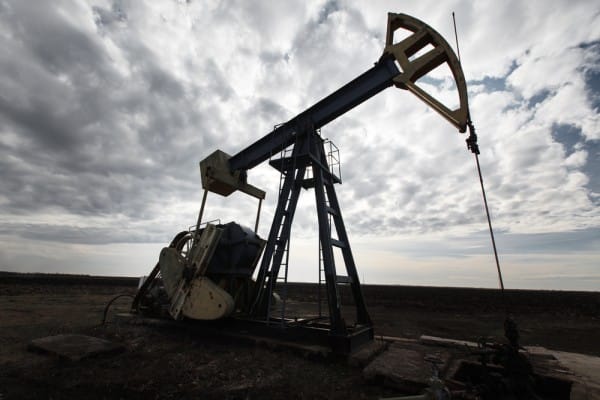
Credit: Calin Tatu / Shutterstock.com
California is the only state that does not have an official oil severance tax, but an initiative cleared for circulation could create the tax. Revenues are intended to fund public education, clean energy projects, and state parks. The initiative's summary details:
Imposes 9.5% tax on value of oil and natural gas extracted in California. During first ten years, allocates revenues: 60% to education for classroom instruction (split equally between UC, CSU, community colleges, and K-12 schools); 22% to clean energy projects and research; 15% to counties for infrastructure and public health and safety services; 3% to state parks.Increased state revenues from a new oil and gas severance tax of $1.5 billion to $2 billion per year initially (which could either grow or decline over time), to be spent on public schools, colleges, and universities; clean energy research and development; local infrastructure projects; and state parks.
The initiative also says it will prohibit the increase of consumer gas prices to make up for the increased cost on oil companies.
Senate Bill 241, sponsored by Senator Noreen Evans, is currently in its Appropriations Committee. It creates identical provisions as the initiative, but has been amended to not include restrictions on raising consumer fuel prices to offset the tax burden for oil companies.
Sen. Evans stated, however:
"According to a study by the Rand Corporation, which investigated the impacts of a 6% oil severance tax, the tax cannot be passed onto consumers and it will not affect production. Virtually all economists agree that the world market sets the price of oil, and that underlying taxes whether from Texas, Kuwait or California, are not passed through at the pump."
A bill analysis by the Senate Appropriates Committee outlined several other taxes already imposed on oil and natural gas production. CalWatchDog says that if an oil severance tax -- such as the initiative or SB 241 -- California would have the highest effective tax rate on oil production.
Proponents include several student-led organizations from the UC and CSU systems and clean energy advocates. Opponents of the bill include numerous taxpayer advocate groups and business groups, most notably the California Chamber of Commerce.
The state has increased its school budget for the 2013-2014 fiscal year, and plans on continually increasing education funding. It has implemented a new school funding formula to help disadvantaged K-12 students which will cost $18 billion over the course of eight years. It is unclear as to how the state will maintain the increases, but an oil severance tax may be one option.
Based off of California's most recent tax initiative -- Proposition 30 -- one could predict the possibility of an oil severance tax either passing or failing at the polls. Are Californians done with increasing taxes, whether or not it directly impacts the voter? Or is Prop 30's passage a sign that California voters are willing to impose tax increases mainly for education?

Sen. Evans believes voters will be inclined to place an extra tax burden on the oil industry:
"Now is the time for our state to join the rest of the other oil producing states and enact an oil severance tax on big oil companies to help strengthen our economy."
Proponents of the initiative have until Sept. 23 to submit 504,760 valid signatures in order to make it to the ballot. All state legislation must be voted on and passed by Sept. 13 to make it to the Governor's Office to be signed into law.
(The full text of the oil severance tax initiative can be read here. SB 241 can be read here.)
You Might Also Like