IRS Targeting Conservative Groups May Douse Enforcement

 Alex Gauthier
credit: Real Clear Politics
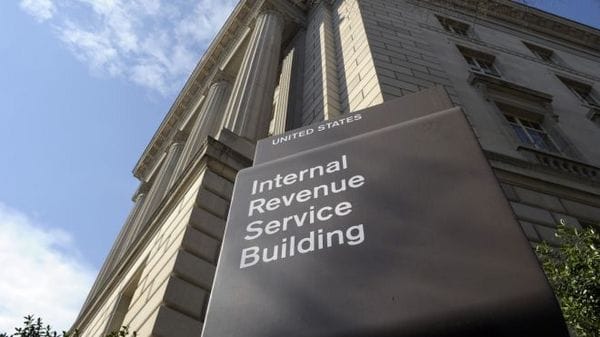
Released by the Associated Press on Friday, an inspector general's report regarding the IRS revealed the agency had improperly targeted conservative-leaning groups that were filed tax-exempt under section 501(c) of the Tax Code.
In order to be eligible for preferential tax treatment, a 501(c) organization needs to have limited election involvement, and the 2012 race prompted increased scrutiny on registered groups.
According to the AP, organizations with 'Tea Party' or 'Patriot' in their name or affiliation were singled out for review. Lois G. Lerner, the Director of Exempt Organizations, first learned of the malfeasance on June 29, 2011; yet, it appears the excessive scrutiny of conservative organizations continued thereafter.
Lerner insists the practice was confined to low-level employees and was not indicative of an agency-wide practice.
Consequently, Republican lawmakers have expressed outrage and vindication of the findings. In March 2012, Senator Orrin Hatch (R-Utah) and Rob Portman (R-Ohio) sent a letter to then-IRS Commissioner Doug Shulman relaying their concerns.
From the letter:
"We have received reports and reviewed information from nonprofit civic organizations in Kentucky, Ohio, Tennessee, and Texas concerning recent IRS inquiries perceived to be excessive. It is critical that the public have confidence that federal tax compliance efforts are pursued in a fair, even-handed, and transparent manner—without regard to politics of any kind. To that end, we write today to seek your assurance that this recent string of inquiries has a sound basis in law and is consistent with the IRS’s treatment of tax-exempt organizations across the spectrum."
Conversely, Democratic members of Congress called for the IRS to investigate claims of groups abusing their tax-exempt status around the same time. In a letter dated Feburay 16, 2012, a group of senators -- including Al Franken (D-Minnesota) and Chuck Schumer (D-New York) -- sent this letter to Commissioner Shulman:
"We write to inquire if the Internal Revenue Service (“IRS”) is investigating or intends to investigate whether groups designated as “social welfare” organizations, and thus receiving tax and other advantages under section 501(c)(4) of the Internal Revenue Code (IRC), 26 U.S.C. § 501(c)(4), are improperly engaged in a substantial or even a predominant amount of campaign activity."
The appearance of partisan favoritism is always a concern for the IRS, especially given its Nixonian history of selective and even abusive enforcement of the tax code to prosecute political rivals. It is very likely that the inspector general report and the imminent political firestorm will cool enforcement efforts from the IRS.

The legal boundaries for tax-exempt 501(c) organizations are tenuous as best, seeing as the law only requires their 'primary purpose' remain outside of politics -- usually taken to mean that less than 50 percent of funds should be spent on political activity (like election ads). The fallout of this situation is poised to push that bar even lower.
You Might Also Like